I’ve logged enough miles to know that a good running shoe can be the difference between a run you enjoy and one you dread. The right pair cushions impact, supports your gait, and stays comfortable from the first step to the last mile. I put this list together for runners who care less about hype and more about how a shoe actually feels on the road, the track, or the treadmill.
A Fast Comparison Of The Options
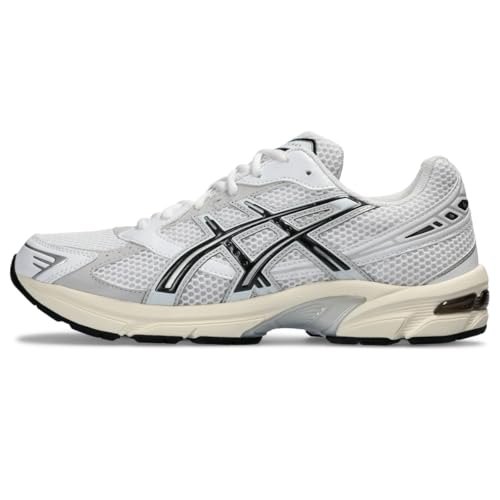
ASICS Men’s GEL-1130 Sportstyle Shoes

Brooks Men’s Adrenaline GTS 22 Supportive Running Shoe

Brooks Men’s Ghost 14 Neutral Running Shoe
ASICS Men’s Gel-Excite 11 Running Shoes

ASICS Men’s Gel-Contend 9 Running Shoes

Saucony Men’s Triumph 22 Sneaker

Saucony Mens Cohesion 18
What Each Pick Brings To The Table
The GEL-1130 sits in that sweet spot between heritage running shoe and everyday lifestyle sneaker. It draws clear inspiration from ASICS’ late-2000s stability designs, so the silhouette has a slightly chunky, retro feel that looks right at home with denim or joggers. Compared to the Brooks Adrenaline GTS 22 covered next, this shoe leans more toward casual wear than pure performance running.
Suede paneling wraps the upper for a more refined texture than plain mesh, and the GEL cushioning system softens heel impact on hard pavement. For runners logging easy miles or anyone who wants a sneaker that handles both a coffee run and a 5K, the GEL-1130 covers a lot of ground. Multiple colorways let you tune the look to your wardrobe without losing the underlying support.
Notable Upsides
- Retro-inspired design works for casual outfits and post-run errands
- GEL cushioning reduces heel impact during longer pavement sessions
- Suede paneling adds a more polished look than standard mesh uppers
- Stable platform suits runners who want guidance without a rigid post
Worth Noting
- Suede sections need occasional cleaning to stay looking fresh
- Not built as a dedicated long-distance trainer
Feature Snapshot
Whose Shelf It Belongs On
Runners who split time between easy miles and casual wear, and want a sneaker that bridges both worlds.
Consider Something Else When
Reach for the Saucony Triumph 22 instead if you want a plush, high-cushion trainer built specifically for long daily runs.
The Adrenaline GTS 22 has long been a go-to for runners whose feet roll inward, a motion called overpronation, where the arch collapses slightly during landing. Brooks’ GuideRails system sits higher than a traditional post, gently steering the foot into a healthier alignment rather than aggressively forcing it. Runners who finish a run with sore knees often find that kind of holistic support more comfortable than rigid correction.
Compared to the GEL-1130 above, this is a pure performance trainer with a more structured feel. The midsole cushioning balances softness with response, so transitions from heel to toe stay smooth on longer efforts. For runners logging 20 to 40 miles a week, the Adrenaline GTS 22 offers a confident, controlled ride that holds up across tempo runs and recovery days alike.
The Helpful Details
- GuideRails support system guides alignment without a harsh medial post
- Balanced midsole foam feels soft underfoot yet responsive on push-off
- Engineered mesh upper breathes well during warm-weather runs
- Durable outsole rubber holds up on wet pavement and light trails
Trade Offs
- Heavier than a neutral trainer like the Ghost 14
- Stability features feel unnecessary for runners with a neutral gait
- Outsole grooves can trap small pebbles during trail detours
Right Fit For
Runners who overpronate, log serious weekly mileage, or want extra joint protection on longer efforts.
Skip It When
The Brooks Ghost 14 is a better match for neutral runners who prefer a lighter, less structured ride.
The Ghost 14 is what I’d recommend to a runner whose stride doesn’t need correction but who still wants a soft, dependable feel underfoot. Brooks built this shoe as a neutral trainer, meaning there’s no added stability hardware steering the foot, so the platform feels more natural and forgiving. The result is a versatile shoe that handles easy jogs, long runs, and gym sessions with the same easy confidence.
Where the Adrenaline GTS 22 above adds structure, the Ghost 14 strips things back. The segmented crash pad under the heel softens landings smoothly, and the engineered mesh upper holds the foot securely without feeling restrictive. Runners who switch between treadmill miles and outdoor pavement will appreciate how quietly this shoe disappears under the foot.
What It Does Well
- Soft, neutral cushioning suits a wide range of runners and workouts
- Segmented crash pad smooths the heel-to-toe transition
- Lightweight build reduces fatigue on longer runs
- Breathable mesh keeps feet cooler in warm weather
Points To Keep In Mind
- No added stability for runners who overpronate
- Outsole tread can feel slick on damp trail surfaces
Quick Facts
Made For
Neutral-stride runners who want one shoe that handles easy days, long runs, and gym time without fuss.
A Better Fit Elsewhere
Runners needing arch support and alignment help should choose the Brooks Adrenaline GTS 22 instead.
The Gel-Excite 11 is built for runners just starting out, or anyone who wants a comfortable, lightweight trainer without the price tag of a flagship model. An engineered jacquard mesh upper wraps the foot in breathable material, while GEL cushioning in the rearfoot softens landings. The construction feels modern, and the price makes it approachable for first-mile runners.
Compared to the Saucony Cohesion 18 later in this list, the Excite 11 leans slightly softer underfoot thanks to that rearfoot GEL insert. It’s a thoughtful entry point for someone graduating from a worn-out gym shoe into a proper running trainer. Walkers who log serious daily step counts will find the cushioning equally kind on long days.
A Few Strong Suits
- Rearfoot GEL cushioning softens impact for new runners
- Engineered jacquard mesh upper keeps the foot cool
- Lace-up closure locks in a secure, adjustable fit
- Polyester lining adds a soft feel against the skin
Minor Gripes
- Less responsive than the ASICS Gel-Contend 9 for tempo efforts
- Durability may be shorter for runners logging high weekly mileage
Who It Suits Best
New runners, casual walkers, and anyone transitioning into a more dedicated training routine.
Not Your Match When
The Saucony Triumph 22 suits experienced runners who want a more cushioned, long-distance platform.
The Gel-Contend 9 is one of the most affordable dedicated road running shoes in the ASICS lineup, and it brings along genuine technology instead of cutting corners on cushioning. AMPLIFOAM midsole material handles the cushioning duties, while rearfoot GEL technology absorbs impact where pavement tends to punish most. For runners on a tight budget, that combination is hard to beat.
An Ortholite sockliner sits beneath the foot for added step-in comfort, and Trusstic technology provides midfoot stability without adding weight. Compared to the Gel-Excite 11 above, this shoe feels a touch firmer and more stable on push-off. It’s a smart pick for road runners putting in steady mileage who don’t want to spend premium money on a daily trainer.
Useful Strengths
- AMPLIFOAM midsole balances softness and durability for daily use
- Rearfoot GEL cushioning softens impact on pavement miles
- Ortholite sockliner adds comfortable step-in feel
- Trusstic midfoot technology keeps the shoe light and stable
Honest Caveats
- Upper ventilation runs warmer than the mesh on the Excite 11
- Less plush overall than the Saucony Triumph 22
- Stack height may feel low for runners used to max-cushion shoes
Feature Rundown
Best Suited To
Road runners putting in regular weekly mileage who want real cushioning tech without a premium price.
Look Elsewhere When
The Brooks Ghost 14 is the better pick for runners wanting a softer, more breathable neutral trainer.
The Triumph 22 is Saucony’s flagship daily trainer, and it shows. PWRRUN PB super foam in the midsole delivers a noticeably plush, energetic ride that makes long miles feel more forgiving. A broader platform and updated rocker geometry create a smooth, balanced feel from landing to toe-off, which is exactly what tired legs need late in a long run.
A full-length XT-900 rubber outsole provides reliable traction and durability across road surfaces. Where the Gel-Contend 9 is a budget-conscious daily workhorse, the Triumph 22 is a premium upgrade with a noticeably softer feel underfoot. Runners chasing a comfortable marathon shoe or a plush trainer for high-mileage weeks will appreciate what this shoe brings.
Reasons It Performs
- PWRRUN PB super foam delivers plush, responsive cushioning
- Broader platform and updated rocker geometry improve transitions
- XT-900 rubber outsole adds durability and traction
- Comfortable enough for all-day wear beyond running
Where It Is Less Suited
- Premium price puts it out of reach for casual runners
- Stack height feels high for runners who prefer a low-profile ride
The Numbers That Matter
Who Should Grab It
Experienced runners logging high weekly mileage who want a cushioned, premium daily trainer.
Swap It Out When
The Saucony Cohesion 18 is a more affordable, lighter alternative for runners who don’t need max cushioning.
The Cohesion 18 is the most approachable shoe in the Saucony neutral lineup, and it punches well above its price point. VersaRun cushioning sits underfoot for a softer feel than the older Cohesion models, and the secure, neutral platform works for walking, jogging, and light gym days alike. It’s the kind of shoe you can grab for almost any activity without thinking too hard.
Compared to the Triumph 22 above, the Cohesion 18 sacrifices plushness for affordability and lighter weight. For runners who want a neutral trainer for everyday use without the premium feel of Saucony’s flagship, this is the value play. The fit feels reliable across a range of foot shapes, which is a quiet advantage for households sharing one size.
Everyday Perks
- VersaRun cushioning softens daily walks and easy runs
- Neutral platform suits a wide range of foot types
- Lightweight build keeps feet fresh during long days
- Secure fit works well for casual gym and treadmill sessions
Some Limits To Know
- Less cushioning depth than the Triumph 22 for long runs
- Not built for serious tempo or speed sessions
Perfect Match For
Casual runners, walkers, and anyone wanting a versatile neutral shoe for everyday activity.
Reach For A Different Pick When
Runners tackling long distances or recovery runs should choose the Saucony Triumph 22 for its added cushioning.
What Matters Most Before Choosing Comfortable Running Shoes For Men
Comfort starts with fit, and fit depends on foot shape, arch height, and toe room. Runners with a wider forefoot should prioritize shoes that come in wide variants, while those with narrow heels need a secure lockdown through the laces. Try on shoes later in the day when feet naturally swell to mimic running conditions.
Cushioning type matters as much as stack height. Soft, plush foams like PWRRUN PB or DNA LOFT feel forgiving on long runs, while firmer foams like AMPLIFOAM offer more ground feel for tempo efforts. Stability features like GuideRails or Trusstic help runners whose arches collapse, while neutral platforms let the foot move naturally.
Finally, think about where the shoe will spend most of its time. Road shoes with smooth outsoles handle pavement best, while trail-ready outsoles grip dirt and gravel. A versatile trainer like the Brooks Ghost 14 or Saucony Cohesion 18 handles mixed urban surfaces with ease.
Key Considerations Across These Picks
Where Shoppers Go Wrong
Choosing shoes by looks alone is one of the most common slip ups in this category. A flashy upper or trend-driven colorway means nothing if the midsole doesn’t match your gait. Always check the shoe’s support category (neutral, stability, motion control) against your stride.
Sizing inconsistency across brands catches a lot of runners off guard. ASICS, Brooks, and Saucony each use slightly different lasts, so a size 10 in one brand may feel like a 9.5 in another. Reading fit notes and trying on both standing and after a short walk helps avoid surprises.
What The Higher Tier Buys
Premium shoes like the Saucony Triumph 22 use advanced foam compounds that feel noticeably softer and lighter than entry-level models. The geometry is also more refined, with rockered shapes that ease the transition from heel to toe. For runners logging high weekly mileage, those upgrades add up over months of training.
The outsole rubber compounds also tend to last longer on premium trainers, which spreads the cost over more miles. Casual runners logging 10 to 15 miles a week may not benefit enough to justify the upgrade, but anyone running 30 or more miles weekly will feel the difference on tired legs.
Frequently Asked Questions
How do I know if I need a stability or neutral running shoe?
A quick at-home check is to look at the wear pattern on an old pair of shoes. If the inside edge is heavily worn, you likely overpronate and benefit from a stability shoe like the Brooks Adrenaline GTS 22. Even wear across the heel and forefoot usually means a neutral platform like the Brooks Ghost 14 will work.
Should I size up when buying running shoes?
Most runners benefit from about a thumb’s width of space between the longest toe and the front of the shoe. Feet swell during runs, so a slightly roomier fit prevents black toenails and blisters. Trying shoes on at the end of the day gives a more accurate sense of how they’ll feel on longer efforts.
How long should a pair of comfortable running shoes last?
Most running shoes last between 300 and 500 miles before the cushioning and outsole start breaking down. Heavier runners and runners logging mostly pavement may see shorter lifespans, while lighter runners on softer surfaces can stretch past 500 miles. Replacing shoes before the midsole packs out helps prevent joint soreness.
Can I use running shoes for walking or the gym?
Running shoes like the Saucony Cohesion 18 work well for walking and light gym sessions because the cushioning handles impact in any direction. For activities that involve lateral movement like tennis or HIIT classes, a dedicated cross-training shoe offers more side-to-side stability.
Do more expensive running shoes feel more comfortable?
Premium models like the Saucony Triumph 22 use lighter, more resilient foams that often feel softer and more energetic underfoot. The difference is most noticeable on long runs when fatigue sets in. For shorter, easier efforts, a budget-friendly trainer like the ASICS Gel-Contend 9 still delivers plenty of comfort.
Bottom Line
The best comfortable running shoes for men match your gait, your mileage, and the surfaces you run on most. Stability seekers should look at the Brooks Adrenaline GTS 22, while neutral runners have plenty of options from the Brooks Ghost 14 to the Saucony Triumph 22. Pick the shoe that fits your stride, and the miles will follow.