Indoor cycling keeps growing, and the shoe you wear shapes every single pedal stroke. A stiff sole stops energy from leaking into the platform, while the right closure system keeps your foot planted through high-cadence sprints. You need a pair that handles sweat, fits well right out of the box, and works with the bike you already own. The picks below cover road, triathlon, training, and casual indoor setups.
An Overview Of The Picks

Adidas The Road Cycling Shoes

adidas Five Ten Freerider Cycling Shoes

Fizik Transiro Hydra Triathlon Shoes
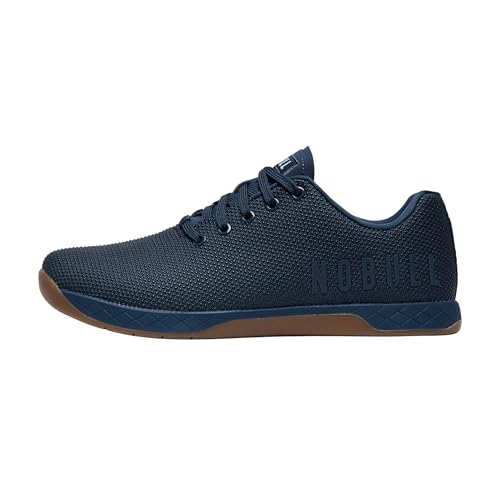
NOBULL Men’s Outwork Shoe

NOBULL Men’s Outwork Edge Shoe

Endura Hummvee Baggy Cycling Short

NOBULL Women’s Allday 365 Ripstop Shoe
The Strengths Of Each Pick
Road-style indoor riding demands a shoe that pushes every watt forward without wasting it. Adidas The Road Cycling Shoes answer with a glass-fiber-reinforced nylon plate (a stiff plastic-composite layer sandwiched between the upper and outsole), which keeps the sole rigid under hard sprints. The Primeblue upper uses recycled materials, so your indoor habit carries less environmental weight.
Three-bolt cleat compatibility (the standard SPD-SL mounting pattern used by most road and indoor trainers) means these clip straight into Wahoo, Stages, and Keiser pedals. Reflective details help if you ever roll outside in low light, and the closure system keeps the foot locked during standing climbs. The tradeoff is that the stiff sole takes a few sessions to feel natural compared to a softer training shoe.
Practical Advantages
- Glass-fiber-reinforced nylon plate transfers pedal force efficiently on high-cadence intervals
- Three-bolt cleat system works with the indoor trainer you likely have at home
- Primeblue upper reduces environmental footprint without sacrificing durability
- Reflective accents add visibility for occasional outdoor rides
Trade Offs To Consider
- Stiff sole can feel unforgiving during very long sessions
- Road-specific last may feel narrow for riders with wider feet
Feature Snapshot
Who It Suits Best
Riders logging structured intervals on a smart trainer and wanting one shoe for both indoor and weekend road outings.
Consider Something Else When
The Fizik Transiro Hydra Triathlon Shoes suit multi-sport athletes who also run and need faster transitions.
Flat-pedal indoor setups still need grip, and the Freerider brings mountain-bike DNA into the pain cave. The shoe carries the Five Ten legacy of sticky rubber outsoles, so your foot stays planted when you stand for climbs. Adidas’s sport-engineering background shows in the structured upper that resists heel lift during sprints.
For riders on basic spin bikes or older trainers without SPD cleat slots, a flat shoe removes the whole clipping-in ritual. You can hop on and off easily, which suits HIIT-style classes or shared gym equipment. The honest read is that you lose the upstroke pull of a clipped system, so power output tends to be lower.
A Few Highlights
- Stealth rubber outsole delivers grip on flat pedals during out-of-saddle efforts
- No cleats required, so you can use the shoe across multiple bikes and gym sessions
- Reinforced toe box holds up if you tap a crank or pedal pin
Points To Note
- Flat design means no upstroke engagement, which limits top-end power
- Not compatible with SPD or SPD-SL pedal systems
- Slightly heavier than road-style indoor shoes
Made For
Studio-cycling fans and casual riders who prefer flat pedals and want a shoe that works off the bike too.
Reach For A Different Pick When
The Adidas The Road Cycling Shoes are the better call for structured interval work where every watt counts.
Triathletes and duathletes approach the indoor trainer differently because their day often includes a swim-run-bike stack. The Fizik Transiro Hydra Triathlon Shoes address that reality with a design aimed at fast, fumble-free transitions. The breathable upper keeps feet cooler during brick workouts (back-to-back bike-then-run sessions).
The moderately stiff nylon outsole balances pedaling efficiency with enough flex to feel comfortable off the bike. A wide entry opening makes slipping the shoe on quicker, which matters more outdoors than indoors but still helps in a busy gym setup. Compared with the Adidas The Road Cycling Shoes, the Hydra leans softer and more ventilation-focused.
Notable Gains
- Breathable upper manages heat during long or stacked sessions
- Moderately stiff nylon outsole supports pedaling without harsh feedback
- Wide entry opening speeds up transitions in multi-sport training
Honest Caveats
- Softer sole trades some power transfer for comfort
- Triathlon focus adds features indoor-only riders may not use
Key Specs
Best Suited To
Multi-sport athletes training for triathlons who want a shoe that handles bricks and indoor rides alike.
Look Elsewhere When
Pure indoor cyclists chasing max stiffness should look at the Adidas The Road Cycling Shoes instead.
Many riders do more than pedal indoors. They lift, they stretch, and they transition straight into a class. The NOBULL Outwork Shoe answers that reality with a cross-training build that handles both the bike and the gym floor. The construction is built around durability first, which suits people who punish their gear.
This is a flat-soled option, so it works on stationary bikes with cage or platform pedals rather than clip-in systems. It feels stable during standing climbs and stays planted during lateral gym movements. The tradeoff is that you won’t get the upstroke efficiency of a clipped road shoe, and the look is athletic rather than road-sleek.
A Strong Showing
- Cross-training design covers pedal sessions and gym work in one shoe
- Durable upper holds up to daily wear and varied surfaces
- Flat sole keeps you stable during standing climbs and floor exercises
Small Caveats
- Not compatible with SPD or road-clipped pedal systems
- Less efficient power transfer than a stiff clip-in shoe
Quick Facts
Right Fit For
Riders whose indoor session is part of a broader training day with weights and mobility work.
Swap It Out When
Focused indoor cyclists on smart trainers should swap to the Adidas The Road Cycling Shoes for better energy transfer.
The Outwork Edge steps up from the standard Outwork with a more aggressive construction aimed at high-mileage users. The reinforced panels target the wear zones that break down fastest in cross-training shoes, which matters when you ride indoors almost every day. The fit stays athletic and locked-down, ideal for riders who hate heel lift.
Like its sibling, this is a flat-pedal option that doubles as a gym shoe, so it suits riders whose training day includes more than the bike. The Edge adds tougher materials that should last longer if you tend to burn through shoes in six months. The honest read is that added durability adds weight, and the look leans more rugged than streamlined.
Where It Excels
- Reinforced construction extends shoe life for daily indoor riders
- Flat-pedal and gym versatility in one build
- Stable platform during standing sprints and lateral movements
Where It May Fall Short
- Heavier than the standard Outwork due to extra reinforcement
- Flat design skips the upstroke benefit of clip-in systems
Whose Shelf It Belongs On
Riders logging four or more indoor sessions a week who want one shoe to handle cycling and gym work.
A Better Fit Elsewhere
Road-leaning riders chasing efficiency should consider the Adidas The Road Cycling Shoes instead.
Shoes are the focus, but a proper indoor kit goes further than footwear. The Endura Hummvee Baggy Cycling Short earns its place because it solves a real comfort problem during long trainer sessions. The built-in padded liner removes the need for separate padded underwear, and the relaxed cut suits riders who want airflow.
This is a mountain-bike-inspired short, so the silhouette is loose and the fabric is rugged. Indoors, the looser cut helps when the room gets warm and you want ventilation. The trade-off is that some riders prefer the tighter feel of road bibs, especially during focused intervals.
Well-Handled Touches
- Integrated liner saves a layer and simplifies your kit
- Loose fit promotes airflow during sweaty indoor efforts
- Durable fabric handles repeated wear and washing
Things To Weigh Up
- Looser cut may flap during high-cadence sprints
- Not aerodynamic for outdoor road use
Feature Rundown
Perfect Match For
Riders putting together a complete indoor kit who want comfort and casual style in one piece.
Not Your Match When
Racers and performance-focused indoor cyclists may prefer tighter road-style shorts over this relaxed cut.
Women balancing indoor rides with daily errands need something that does both without looking like kit. The NOBULL Women’s Allday 365 Ripstop Shoe uses ripstop fabric (a woven nylon with reinforced threads that resist tearing) for durability and a clean silhouette that works off the bike. The flat sole handles cages and platform pedals across studio and home setups.
Compared with the men’s Outwork models earlier in this list, this shoe carries a women’s last for a narrower heel and forefoot shape. That fit difference matters for long sessions because hot spots and slippage usually start in those zones. The trade-off is that ripstop fabric breathes less than mesh uppers, which can feel warmer during intense intervals.
Where It Helps
- Women’s-specific last addresses heel and forefoot fit for longer comfort
- Ripstop upper resists scuffs from daily wear and rough pedal pins
- Low-profile look transitions easily off the bike
Less Ideal Details
- Less breathable than full-mesh training shoes
- Flat sole skips the upstroke benefit of clip-in systems
Who Should Grab It
Women splitting time between the trainer and a busy day who want one shoe that handles both without swapping.
Skip It When
Performance-driven indoor riders should step up to the Adidas The Road Cycling Shoes for stiffer power transfer.
Factors To Consider When Choosing Indoor Bike Shoes
Cleat Compatibility Comes First
The single biggest decision is whether your trainer uses SPD (a two-bolt mountain-style cleat system) or SPD-SL/Look (a three-bolt road-style cleat system). Most smart trainers use SPD-SL, while many gym spin bikes use SPD. Pick a shoe that matches your pedal system, or you’ll need adapters and extra cleats. Buying the wrong shoe means extra cost and frustration before your first ride.
Sole Stiffness Drives Efficiency
A stiffer sole transfers more energy from your legs to the pedals, especially during sprints. Glass-fiber and nylon plates offer a reasonable balance of stiffness and comfort for most indoor riders. Full carbon soles cost more and rarely matter for casual indoor use. The honest read is that beginners often overrate stiffness; comfort on long rides matters just as much.
Fit Matters More Than Brand
Narrow heels, roomy toe boxes, and secure midfoot closures all influence how a shoe feels after the warm-up is over. Trying shoes on at the end of the day, when feet are slightly swollen, mirrors how they’ll feel mid-ride. Riders with wider feet often need brands that offer multiple width options, since cycling shoes typically run narrower than running shoes.
Ventilation And Ease Of Use
Indoor riding generates a lot of sweat, so breathable uppers and removable insoles help with hygiene over months of use. Quick-entry designs help if you hop on and off frequently between workouts. For shared household setups, flat-pedal shoes often make more sense than clipped shoes that require learning a new motion.
Key Considerations Across These Picks
Common Shopping Slip Ups
A frequent mistake is buying a shoe before confirming whether your trainer uses clip-in or flat pedals. Indoor bikes vary widely, and pairing the wrong shoe with the wrong pedal means wasted money. Another trap is ignoring last shape; a shoe that fits well in the store can rub during a 60-minute effort. Measure both foot length and width, and read fit notes before settling on a size.
Where The Extra Money Goes
Higher-tier indoor cycling shoes typically spend the extra cost on a stiffer sole plate, lighter materials, and better closure systems like BOA dials (a ratcheting wire-and-dial closure system favored in cycling for micro-adjustments). Those upgrades matter most for structured interval training where efficiency adds up. For casual riders doing steady-state sessions, a mid-range shoe often delivers everything you actually need.