Walking into a climbing gym for the first time feels exciting, but rental shoes often feel floppy, cold, and oddly oversized. A dedicated first pair helps you trust tiny foot chips, learn proper edging technique, and stop slipping on beginner-friendly routes. The seven picks below cover the most common beginner scenarios, including gym sessions, bouldering nights, kids’ classes, and entry-level outdoor climbing.
The Main Contenders

Ocun JETT LU Bouldering Shoe

La Sportiva Kids Tarantula Junior Climbing Shoes

La Sportiva Skwama Performance Climbing Shoes

La Sportiva Mythos Climbing Shoe

SCARPA Instinct VSR Climbing Shoes

SCARPA Drago Climbing Shoes
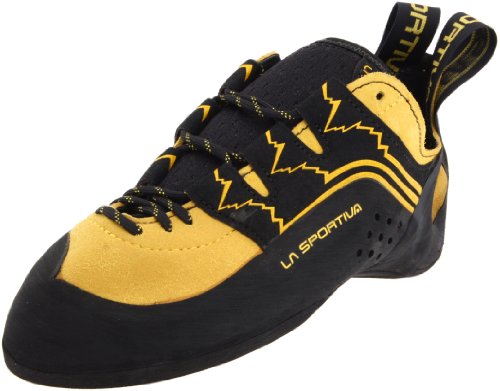
La Sportiva Katana Lace Climbing Shoe
What Each Pick Brings To The Table
Your first few sessions matter a lot. A shoe that feels awkward can sour the experience before you ever learn how to weight your feet properly. The Ocun JETT LU is built around a soft, flat profile (a “flat last” means the shoe rests on a straight sole with minimal curve, which keeps toes relaxed), making it one of the easier transitions from street shoes to climbing footwear.
For a first-time climber hitting auto-belays and easy top-rope routes, that relaxed fit reduces the foot cramping that often turns people off. Compared to the La Sportiva Skwama later in this list, the JETT LU asks much less of your feet during a two-hour gym session.
A Strong Showing
- Flat, neutral shape keeps toes comfortable for first-time wearers learning foot placement.
- Soft construction forgives sloppy technique while you build muscle memory.
- Available in a half-size spread that fits most standard foot shapes.
- Lower price point than aggressive performance shoes, easing the first-pair commitment.
Worth Noting
- Less precise on tiny foothold edges than downturn models like the SCARPA Instinct VSR.
- Sticky rubber resoles less readily than harder rand designs, meaning resole shops may charge more.
Who It Suits Best
A first-time climber attending weekly gym sessions who wants comfort over performance and plans to size up only modestly from street shoes.
Swap It Out When
Shoppers craving a softer, slipper-like sensitivity for indoor bouldering should consider the SCARPA Drago instead.
Kids grow fast, and handing a child an adult shoe scaled down rarely fits right. The La Sportiva Kids Tarantula Junior is purpose-built around smaller foot proportions, with a velcro closure that’s easier for little hands than laces or slip-ons.
For parents enrolling kids in a youth climbing program, this shoe gives trainers a real foundation to work with. It’s a sensible step up from rentals, which often run wide and smelly.
A Favorable Mix
- Kid-specific last proportions prevent the pinched toes common with adult shoes scaled down.
- Velcro straps let kids put shoes on without help, supporting independence at the gym.
- Unlined leather upper breaks in comfortably over the first few sessions.
Honest Caveats
- Size runs limited, so shoppers in between may need to size up and accept a short break-in period.
- Outsoles tend to wear through faster than adult equivalents because kids drag their feet on mats during early technique work.
Made For
Parents shopping for a child attending weekly youth climbing classes who wants a real starter shoe instead of rentals.
Where Another Pick Suits Better
Teen or adult beginners should skip straight to the Ocun JETT LU for a better fit profile.
The Skwama sits in La Sportiva’s performance category, meaning it expects an experienced climber behind it. A downturn last (curved like a banana, concentrating power at the toe) and Vibram XS Grip rubber combine for aggressive edging on steep terrain, and stock availability tends to fluctuate as a result.
For climbers progressing into harder gym problems, this shoe rewards clean footwork with unmatched feedback. You may find it overpowered for true first-timers, but it bridges nicely into redpoint territory.
Reasons It Performs
- Sensitive sole construction transmits tiny foothold texture directly to your foot.
- Downturn geometry pulls body weight onto the big toe for powerful heel hooks.
- Sock-like upper minimizes dead space inside the shoe, sharpening every toe placement.
Trade Offs
- Aggressive downturn causes significant foot pain on long sessions for newcomers.
- Stock availability varies, requiring patience to find your half-size.
- Premium positioning puts it well beyond a beginner budget.
Best Suited To
Climbers with several months of gym experience tackling V4+ bouldering and looking to invest in a performance shoe.
Consider Something Else When
True first-timers wanting a relaxed fit should choose the La Sportiva Mythos for a less painful introduction.
The Mythos has earned a long reputation among beginners and long-route climbers. Its slip-lasted construction (built on a single-piece flat sole plate that bends with your foot) and lace-up closure deliver a soft, comfortable feel that wears well across an entire gym session without forcing aggressive sizing.
You may find the Mythos forgiving enough to wear straight out of the box, which helps during multi-pitch days at the gym. Compared to the Skwama, this shoe trades sensitivity for tolerance.
Benefits That Matter
- Lace closure distributes tension evenly, accommodating a wider range of foot volumes.
- Slip-lasted design flexes naturally with the foot, reducing break-in pain.
- Versatile enough for bouldering, top-rope, and entry-level sport routes in one pair.
Points To Keep In Mind
- Lacks the precision of a downturn shoe on tiny technical edges.
- Unlined leather stretches noticeably over time, often requiring a half-size down initial fit.
Quick Facts
Right Fit For
Beginners climbing long gym sessions who value comfort over aggressive performance and may use the same shoe for outdoor sport climbing later.
Skip It When
Steep bouldering specialists wanting toe-hook power should reach for the SCARPA Instinct VSR.
The Instinct VSR is a flagship SCARPA aggressive shoe designed for steep walls. Vibram XS Edge rubber stays firm under pressure, supporting tiny edges on overhangs where softer rubber compounds would roll.
For climbers working indoor overhangs and competition-style boulders, this shoe delivers the kind of precision that cheaper options can’t. You’ll want real technique before committing.
Features That Help
- Vibram XS Edge rubber holds its shape under load, edging on slopers and tiny crimps.
- Moderate downturn with toe patch rubber for secure hooking.
- Wide size range covering smaller foot volumes, useful for shoppers outside standard widths.
Potential Drawbacks
- Aggressive geometry punishes untrained feet and can shorten sessions for newcomers.
- Premium pricing, so it rarely suits a tight starter budget.
Feature Snapshot
Built With In Mind
Climbers who have moved past basic footwork and want precision on steep indoor terrain and projecting hard boulders.
Not Your Match When
Beginners seeking a soft, comfortable first shoe should choose the La Sportiva Mythos for an easier introduction.
The Drago is SCARPA’s slipper-style competition shoe, prioritizing sensitivity over stiffness. Its soft Vibram XS Grip 2 rubber deforms against the wall, creating maximum surface contact for smearing (pressing the sole flat against smooth rock or plastic).
For indoor boulderers chasing dynamic moves on volume holds and slopers, this shoe feels almost telepathic. It’s less suited to long days of vertical climbing.
The Case For It
- Soft, sensitive construction delivers excellent feedback on volume-heavy indoor problems.
- Sock-like upper wraps the foot tightly, reducing internal slip during heel hooks.
- Lightweight feel reduces fatigue on multiple burn sessions.
Less-Strong Areas
- Minimal protection means uncomfortable toe jams and crack climbing.
- Premium price point reflects competition-grade positioning.
Perfect Match For
Climbers focusing on indoor bouldering and competition-style problems who want maximum sensitivity for smearing and toe hooks.
Look Elsewhere When
Shoppers wanting an all-day gym shoe should look at the La Sportiva Katana Lace for versatile comfort.
The Katana Lace sits in a sweet spot for climbers who split time between gym and crag. A moderate downturn with a fairly aggressive curve handles steep gym terrain, while the lace closure lets you fine-tune tension across hours of wear. Leather and Lorica (a synthetic microfiber that mimics leather but resists stretch) in the upper give it both comfort and structure.
Versatility is the headline. Compared to the Ocun JETT LU’s relaxed flat profile, this shoe demands more from your foot but rewards with edging precision on real rock.
Positive Points
- Lace-up fit adapts to changing foot swelling during long sessions.
- Moderate downturn handles both vertical and steep terrain.
- Leather-Lorica upper balances comfort with structure for entry-level edging.
A Few Limitations
- Less specialized than dedicated steep-wall shoes like the SCARPA Instinct VSR.
- Laces require more attention than velcro during quick gym burns.
Key Product Details
Whose Shelf It Belongs On
Climbers wanting one shoe that handles gym sessions and occasional outdoor trips without specializing in either.
A Better Fit Elsewhere
Climbers strictly focused on competition boulders should pick the SCARPA Drago for sensitivity.
What Matters Most When Choosing Your First Pair
The right first shoe depends more on where you climb than on aggressive marketing claims. Match shoe geometry to your routes, and pay attention to closure type and material, which change how a shoe feels across a session.
Closure Type Shapes Daily Comfort
Velcro shoes come off fast between burns, which helps at busy gyms. Lace-ups distribute tension more evenly and adjust to swelling feet. Slip-ons feel closest to socks, with the best sensitivity but the least adjustability.
Last And Geometry Decide How It Feels
Flat lasts feel relaxed, perfect for vertical walls and long sessions. Downturn shapes (curved like a banana, concentrating power at the toe) feel aggressive but powerful on steep terrain. Moderate curves split the difference, which is why versatile picks like the Katana Lace work so well.
Sizing Depends On Use Case
Gym beginners should size for comfort, only snug enough that toes reach the front edge. Sport climbers chasing hard routes often downsize aggressively. Kids buying their first pair should follow brand sizing charts because adult scaling never works.
Navigating Common Buying Decisions
Common Shopping Slip Ups
Plenty of first-time buyers grab the most aggressive shoe because it sounds advanced, then suffer through painful sessions that kill their motivation. A flat or moderate shoe for the first three to six months teaches footwork without foot pain. The other frequent error is sizing too tight. Snug is fine; numb toes are not.
When Paying More Pays Off
Premium climbing shoes use stickier rubber compounds, Vibram XS Grip and XS Edge being the most common, that hold better on smooth plastic holds. Higher tiers also resole more readily thanks to stitched rands. When you climb three or more sessions weekly and start projecting harder grades, the upgrade pays for itself in comfort and resole longevity.
Frequently Asked Questions
Do I really need my own climbing shoes as a beginner?
Gym rentals work for a few sessions, but they are often worn, stretched, and shared. Own shoes fit your feet, smell better, and let you build muscle memory with consistent footwear.
How tight should beginner climbing shoes feel?
Snug enough that your toes touch the front edge without cramping. A half-size down from street shoes is a common starting point. Severe pain signals an oversize mistake.
Are lace or velcro shoes better for beginners?
Velcro is faster for gym sessions where you take shoes off between climbs. Laces offer more precise adjustment and often fit a wider range of foot volumes better.
How long do climbing shoes last before resoling?
Rubber lasts depend heavily on use frequency and surface. Indoor gym climbers often need resoling after six months to a year, while outdoor climbers may stretch that timeline depending on how much they drag their toes.
Can kids use adult climbing shoes sized down?
Adult shoes scaled down rarely fit children’s foot proportions, which are not just smaller but also differently shaped. Purpose-built kids’ shoes like the Tarantula Junior support better technique from the start.
Closing Remarks
Your first pair of indoor climbing shoes should disappear on your foot, support your technique, and never ruin a session with pain. Match the geometry to the walls you actually climb, size for comfort over aggression, and revisit performance shoes once your footwork improves. Whichever pick above fits your routine, the right shoe will make every gym visit feel like progress.