Shoes for jazz dance live in a strange middle ground: tight enough to feel the floor, soft enough to flex through a turn, and tough enough to survive weekly rehearsals. You probably want a slip-on that disappears on your foot rather than something stiff that fights your movement.
Whether you’re shopping for a beginner kid in their first combo class or an adult looking for warm-up booties between long rehearsal blocks, this lineup covers the common needs. Below you’ll find seven pairs worth weighing, plus the trade-offs that actually matter.
The Lineup, Simplified

Stelle Jazz Shoes Leather Unisex Slip-On

lalaball Child Tap and Jazz Shoes
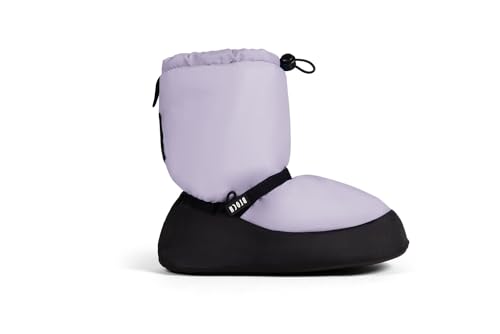
Bloch Adult Dance Warm-Up Booties

Stelle PU Leather Jazz Shoes

Linodes Leather Jazz Shoe Unisex
Linodes Leather Upper Jazz Shoe

Linodes Unisex PU Leather Jazz Shoe
A Deeper Look At The Lineup
Stelle’s leather slip-on sets the tone for the rest of this list. It’s a simple jazz shoe built for kids stepping into their first combo class, the kind where the floor is more important than the look. The slip-on cut keeps getting-ready fast and avoids the lace tangle that derails a lot of younger dancers before class even starts.
Parents juggling carpools and rushed dinners will appreciate that the leather upper softens with wear instead of fighting small feet. Compared to the lalaball tap-jazz crossover below, this one stays firmly in jazz-only territory, which keeps the sole shape honest for pivots and brushes.
What Helps Most
- Slip-on design cuts dressing-room time down to seconds, which matters for squirmy kids.
- Leather upper breaks in with wear rather than stiffening out, so the shoe feels personal within a few sessions.
- Available in toddler and little-kid sizing, covering the early dance years.
- Neutral unisex look works for siblings sharing hand-me-downs.
Things To Consider
- Leather needs a brief break-in window before it feels truly soft, so very first sessions may run snug.
- Without laces, fit relies heavily on getting the size right the first time.
Feature Snapshot
Who It Suits Best
First-time young dancers who need a forgiving leather shoe that breaks in without fuss.
Where Another Pick Suits Better
Kids also taking tap should look at the lalaball Child Tap and Jazz Shoes, since that pair pulls double duty.
Where the Stelle above leans into pure jazz, this lalaball hybrid reaches across the hall into tap territory. That crossover makes it a strong match for studios that run combined tap-jazz combos, especially for kids still figuring out which style they love. The non-slip intent built into the design helps on gym-style studio floors that can feel slick under soft shoes.
You trade some specialization for flexibility. A dedicated jazz shoe will pivot more cleanly than a hybrid, but for weekly lessons where tap and jazz alternate, that’s a fair exchange.
Useful Strengths
- Dual tap-and-jazz function trims down the dance-bag pile for busy families.
- Non-slip focus gives younger dancers a steadier feel on polished floors.
- Sizing covers toddler through big-kid ranges for longer use across growth spurts.
Honest Caveats
- A hybrid sole won’t pivot as cleanly as a dedicated jazz slip-on for advanced turns.
- Owners commonly report tap plates adding weight that takes a session or two to ignore.
Made For
Kids sampling multiple styles who want one pair that survives both tap and jazz class.
Skip It When
Dancers focused on serious jazz technique should reach for the Stelle Leather Unisex Slip-On for cleaner pivots.
Bloch shifts the conversation with this adult warm-up bootie. It’s not a performance shoe; it’s the layer you pull on between classes to keep tendons warm and muscles primed. For adult dancers juggling back-to-back rehearsals, that matters more than a flashy outer look.
Bloch is a long-established dance brand, and the bootie borrows from their ballet-fitting know-how. Compared to the kid-focused picks earlier in this list, this one assumes a grown foot and a grown studio schedule.
A Few Highlights
- Keeps feet warm between classes, which adults find matters more as recovery slows.
- Slips on over jazz shoes, saving time during quick studio changes.
- Sits within Bloch’s broader dance-shoe catalog, so sizing tends to feel familiar.
Points To Keep In Mind
- This is a warm-up accessory, not a shoe you can actually perform jazz in.
- Adult-sized only, so it leaves younger dancers looking at the Stelle PU Leather Jazz Shoes instead.
Key Product Details
Best Suited To
Adult dancers logging long rehearsal days who need a warm-up layer between classes.
Look Elsewhere When
A child dancer needs an actual performance shoe, so the Stelle PU Leather Jazz Shoes are the better fit there.
This PU leather sibling to the Stelle leather slip-on trades natural hide for a synthetic upper that needs almost no break-in. That matters when recital week hits and there’s no time to soften a stiff new pair. You can pull these on at the first fitting and feel close to performance-ready.
The PU build also tends to wipe clean faster after stage makeup mishaps, which any dance parent can appreciate. Compared to the leather Stelle earlier, the trade is feel versus convenience.
Strengths Worth Knowing
- PU upper is flexible out of the box, so first wear feels close to performance-ready.
- Synthetic surface wipes clean faster than leather after stage-floor scuffs.
- Lightweight construction helps younger dancers stay light on their feet during long classes.
- Unisex sizing simplifies group orders for studios or siblings.
Worth Bearing In Mind
- PU doesn’t breathe the way leather does, so feet run warmer during summer intensives.
- Synthetic uppers tend to show creasing earlier than genuine leather.
Whose Shelf It Belongs On
Parents outfitting recital-bound kids who need a pair that performs well without a long break-in.
Another Choice May Suit
Dancers who run hot or train in warm climates often prefer the Linodes Leather Jazz Shoe Unisex for breathability.
The Linodes leather unisex pulls toward the upper end of the kids’ leather category. Genuine leather breathes and softens the way dance parents expect, while the unisex cut makes it easy to share sizing notes between siblings. It’s a workhorse pick for studios where lots of dancers need the same baseline shoe.
Against the Stelle PU earlier, you get breathability at the cost of a slightly longer break-in. The honest read is that the trade suits most households just fine.
Well-Handled Touches
- Real leather upper breathes well, helping during long rehearsal blocks.
- Unisex sizing makes household shopping and hand-me-downs simpler.
- Slip-on cut speeds up the costume-change scramble backstage.
- Established Linodes presence in dance catalogs means consistent sizing across reorders.
Small Caveats
- Leather takes a few wears to fully relax, so plan ahead before recital week.
- Unisex styling runs neutral, which may not satisfy dancers wanting more color variety.
Quick Facts
The Right Fit
Growing kids in weekly class who need a breathable leather shoe that lasts more than one season.
A Better Fit Elsewhere
Dancers who need a shoe ready straight out of the box for an upcoming show should consider the Stelle PU Leather Jazz Shoes.
This Linodes entry steps up into teen and adult sizing, with a leather upper and the same slip-on simplicity the brand is known for. For older students and adult beginners, it’s a sensible bridge between kid-only shoes and full-on performance footwear. The fit runs narrower than the unisex kid version, which older dancers tend to prefer.
Think of it as the grown-up counterpart to the Linodes Leather Unisex reviewed above. Same brand DNA, more grown-up sizing.
Everyday Perks
- Women-and-men sizing grid covers teen and adult feet properly.
- Leather upper breathes better than synthetics during long rehearsals.
- Slip-on construction removes one more thing to fiddle with backstage.
Room For Improvement
- No warm-up function like the Bloch bootie, so cold studios still need a separate layer.
- Leather care (occasional wipe-down, air-drying) takes a small amount of attention.
Perfect Match For
Teen and adult beginners who want a real leather jazz shoe without diving into premium pricing.
Reach For A Different Pick When
Adults needing warmth between classes should grab the Bloch Adult Dance Warm-Up Booties instead.
Rounding out the list, Linodes’ PU unisex sits in the practical middle. The synthetic upper takes the break-in anxiety off the table, and the unisex cut covers a wide range of growing kids. You can hand a pair to a beginner recital cast and expect consistent results across the board.
Compared to the leather Linodes reviewed above, you’re trading breathability for grab-and-go convenience. For most weekly class use, that trade lands well.
What Works In Its Favor
- Synthetic upper is performance-ready from day one, no break-in drama.
- Unisex sizing keeps group orders and replacements simple.
- Easy-to-wipe surface simplifies post-class cleanup.
- Slip-on style keeps younger dancers independent during dress changes.
Trade Offs
- PU runs warmer than leather, which can bother feet during summer intensives.
- Synthetic uppers tend to show creasing faster than genuine leather versions.
At A Glance
Who Should Grab It
Kids in weekly jazz class who need a dependable, easy-to-fit shoe without any break-in fuss.
Swap It Out When
Dancers running hot in summer classes may find the Linodes Leather Jazz Shoe Unisex a more breathable pick.
What To Weigh Before Choosing Jazz Shoes
Sizing accuracy matters more than brand. Jazz shoes hug the foot, so even a half-size error shows up during pivots and turns. Measure feet late in the day when they’re slightly swollen, and match against the brand’s sizing chart rather than guessing from street-shoe size.
Sole shape changes how the shoe feels. A split sole (separated heel and forefoot pads) gives more arch flexibility and a stronger point, while a full sole offers slightly more protection and stability. Beginners usually find split soles more forgiving; dancers working on pointe-style extension often prefer them too.
Material affects break-in and breathability. Leather molds to the foot over time and breathes better during long rehearsals, while PU (polyurethane) is soft out of the box and wipes clean faster. Hot studios and summer intensives lean toward leather; recital-bound beginners with no break-in time lean toward PU.
Closure choice comes down to age and independence. Slip-on styles keep younger kids moving without lace fumbling, while lace-up designs allow older dancers to fine-tune the fit through the arch. Most of the picks here lean slip-on for simplicity.
Key Considerations Across These Picks
Pitfalls Shoppers Hit
Ordering a half-size up “to grow into” is the most common mistake. Jazz shoes need to fit snugly from day one; extra room causes the foot to slide during turns and can lead to blisters. If a child is between sizes and growing fast, ordering up is reasonable, but verify the brand’s sizing chart first.
Another trap is choosing a hybrid shoe when a dedicated jazz style would serve better. Tap-jazz crossovers work for studios that mix styles, but for pure jazz technique, a dedicated jazz sole pivots and brushes more cleanly.
Where The Extra Money Goes
Higher-tier leather jazz shoes tend to offer better breathability, longer material life, and more consistent sizing across reorders. For dancers training several hours a week, that durability pays off across a season. Recreational dancers taking a weekly class often find mid-tier synthetic options perform just fine.
Frequently Asked Questions
How tight should jazz shoes fit? Jazz shoes should feel snug all around with no extra room at the toe. Your toes should lie flat and reach the end of the shoe without bunching, and the heel should not lift when walking.
Can jazz shoes be worn outside the studio? Most jazz shoes are designed for indoor use only. Wearing them outside scuffs the sole and reduces the grip you need on a dance floor.
How long do kids’ jazz shoes typically last? A pair worn for weekly classes usually lasts one to two dance seasons, depending on growth and rehearsal intensity. PU uppers show wear sooner than leather.
Do jazz shoes require any break-in time? Leather pairs soften noticeably over the first several sessions. PU and other synthetic uppers are generally flexible right out of the box.
Should jazz shoes match ballet shoe sizing? Sizes often run close, but each brand fits differently. Always check the specific brand’s sizing chart before ordering, especially when switching between kid-focused and adult-focused models.
Closing Remarks
The right pair of jazz shoes mostly comes down to fit, material, and how the shoe feels against the floor. Start with accurate measurements, match the sole shape to the work you’re doing, and let the dancer’s comfort close the decision. Any of the seven picks above will serve a weekly class well; the differences show up in edge cases like recital timing, hot studios, and multi-style training.