Jazzercise blends aerobics, dance, and strength work into one sweaty, knee-friendly (or knee-unfriendly) hour. Your shoes have to keep up with quick lateral shuffles, pivots, and heel-to-toe transitions, all while staying light enough to keep your footwork quick. This lineup looks at running shoes with stability features, cross-training shoes built for gym work, and specialty over-sneaker socks designed to help your sneakers pivot the way dance demands.
An Overview Of The Picks

Brooks Womens Gts 22 Road Running Shoes

THE DANCESOCKS Original Over Sneaker Socks Smooth Floors 4 Pair

THE DANCESOCKS Carpet Over Sneaker Socks Dance 1 Pair
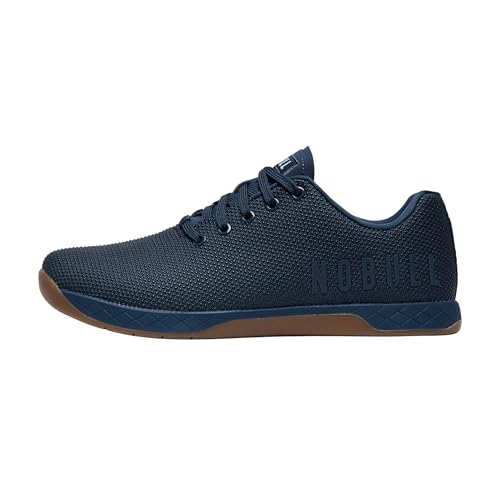
NOBULL Men’s Outwork Shoe

NOBULL Men’s Outwork Edge Shoe

NOBULL Women’s Allday 365 Ripstop Shoe
A Deeper Look At The Lineup
The Brooks GTS 22 is a stability running shoe aimed at people whose feet roll inward when they land, a motion called overpronation. The brand’s GuideRails system, the structure that sits around the heel and midfoot, is designed to gently nudge excess movement back into a more neutral path rather than forcing the foot into a rigid position. The midsole layers high-rebound cushioning (the soft foam that compresses and springs back with each step) under the heel and forefoot, with a 12 mm drop, meaning the heel sits 12 millimeters higher than the forefoot.
For Jazzercise, that translates into a shoe that feels protective through all the forward-and-back aerobic work, then lets you pivot on the studio floor when the choreography calls for it. Owners with knee or arch concerns often gravitate toward this style for that reason. It runs cooler than older Brooks designs thanks to a thinner engineered mesh upper, a single-layer woven fabric that breathes well.
Notable Gains
- GuideRails structure helps keep your stride aligned during side-to-side dance moves, which matters more for knee comfort than forward running alone.
- Thick cushioning absorbs impact through high-rep jumping and step-touch combos that show up in nearly every Jazzercise warm-up.
- The engineered mesh upper keeps the foot cooler than denser knit uppers during long studio sessions.
- Stable heel counter (the firm cup around your heel) reduces wobble when you change direction fast.
Worth Noting
- The 12 mm drop is taller than many dance and cross-training shoes, so your ankle works harder during deep knee bends.
- Running-shoe outsoles tend to grip aggressively on smooth studio floors, which can make pivots feel sticky before the soles break in.
- These run narrow for some foot shapes; wider widths may not be available in every colorway.
Who It Suits Best
Anyone who overpronates or has had knee pain during cardio dance classes will get the most out of the GTS 22’s guided support.
Consider Something Else When
If your studio has slick hardwood and you want freer pivoting, THE DANCESOCKS Original Over Sneaker Socks for Smooth Floors slide on over your sneakers and ease your turns.
THE DANCESOCKS line takes an unusual approach: thin socks that fit over your sneakers to change how the sole interacts with the floor. The smooth-floor version is built for polished hardwood, Marley, and similar surfaces where running shoes tend to stick mid-pivot. The four-pack gives you a fresh pair for each week of classes, and they’re made in the USA from a thin knit that breathes easily when class heats up.
The whole point is letting your foot turn without your shoe catching the floor, which is the most common ankle-twist scenario in dance-based cardio. Many studios ban socks-only dancing for safety, so this design threads that needle. You keep the cushion and arch feel of a sneaker, then add a low-friction layer between sole and floor.
The Case For It
- Thin, slick-knit upper slides across hardwood instead of gripping, which protects ankles during pivots and grapevines.
- Wearing them over your own sneakers keeps the cushioning and fit you’ve already dialed in.
- The four-pair pack covers a typical month of weekly classes without laundry scrambling.
- Made in the USA from a knit that stays cool when the room temperature climbs.
Small Caveats
- These socks don’t add any support of their own, so the cushioning job still falls on your existing sneakers.
- The thin knit tends to wear through at the ball of the foot faster than thicker athletic socks.
Whose Shelf It Belongs On
Studio-goers who dance on slick hardwood and want their sneakers to feel less sticky during pivots.
Reach For A Different Pick When
Your studio has carpeted floors, because THE DANCESOCKS Carpet Over Sneaker Socks is designed for that grippier surface instead.
This is the carpet sibling of the smooth-floor pair above. The knit and construction follow the same idea: a sock that slips over your sneakers so the sole can do something a regular sneaker outsole cannot. On carpet, that means giving your foot enough traction to push off cleanly, without so much grip that you twist when you stop suddenly. Most community-center studios and many home basements have this kind of floor, so a carpet-specific design matters more than people expect.
The single-pair format is friendly if you only want to test the concept before committing. It’s also useful for dancers who wash one pair at a time between classes.
What Earns Its Place
- Carpet-tuned knit lets your sneaker pivot on padded studio floors without losing push-off power.
- Keeps your regular sneaker fit intact, which helps anyone with custom insoles or orthotics.
- Single-pair pack makes sense as a low-commitment trial before buying multiples.
Honest Caveats
- You only get one pair, so high-frequency class-goers will wear through it faster than four-pair buyers do.
- The carpet version can feel too grippy if you ever take it onto a polished floor by accident.
Best Suited To
Anyone whose Jazzercise studio uses low-pile carpet and wants a real pivot solution that works with their existing sneakers.
Look Elsewhere When
If your floor is hardwood or vinyl, the smooth-floor version handles slick surfaces more safely than this carpet build.
The NOBULL Outwork is a cross-training shoe, meaning it’s built for the kind of mixed movement you find in circuit classes and gym workouts rather than straight-line running. It has a low-profile sole that keeps your foot close to the ground for stability during lunges and quick direction changes, plus a tough upper that shrugs off the kind of wear that comes from rope climbs and box jumps.
For Jazzercise, the flat, stable platform helps when you’re doing squats, knee lifts, and any weight work layered into a class. Compared to a tall running shoe like the GTS 22 above, this sits much closer to the floor, which many people find more comfortable for dance-style balance moves.
Everyday Perks
- Low heel-to-toe drop keeps your balance steady during grapevines and weighted squats in mixed-format classes.
- Durable upper construction holds up to repeated studio sessions without showing scuffs quickly.
- Wide, flat outsole gives your foot a planted feeling during push-offs and direction changes.
Where It May Fall Short
- Less cushioning than a running shoe, so high-impact jump tracks can feel harder on the joints over a long class.
- Stiffer upper than mesh running shoes, which takes longer to break in for some foot shapes.
Feature Snapshot
Right Fit For
Multi-directional cardio athletes who want a versatile, durable shoe for studio work and beyond.
Swap It Out When
You have a clear overpronation issue and need structured support, which the Brooks GTS 22 is built to provide.
The Outwork Edge takes the same general cross-training platform as the standard Outwork above and tweaks the outsole for more bite. The “Edge” name refers to a redesigned lug pattern (the textured rubber shapes on the bottom), which grips better on polished gym floors where a flat sole can feel slippery during fast lateral moves.
In a Jazzercise class, that extra grip helps when you’re pushing off into a side step or stopping hard from a fast grapevine. The trade-off is that on carpet or rougher floors, the same aggressive lug can feel grabbier during pivots.
The Practical Payoff
- Redesigned outsole grips better on smooth gym flooring where standard trainers tend to slip.
- Keeps the flat, stable platform that works well for squats, lunges, and balance moves.
- Durable construction carries over from the rest of the Outwork line.
Some Limits To Know
- More aggressive lug pattern can catch during pivots on rougher surfaces like carpet or rubber gym tiles.
- Slightly heavier feel than flatter training shoes, which some people notice during long sessions.
Made For
Dancers who train in studios with slick, polished floors and want extra push-off confidence.
A Better Fit Elsewhere
On carpeted floors, the smoother Outwork standard or THE DANCESOCKS Carpet Over Socks handle pivots more cleanly.
The Women’s Allday 365 is NOBULL’s casual-leaning training shoe, built with a ripstop upper, a woven fabric reinforced with a crosshatch pattern that resists tearing, for people who wear their gym shoes from class to errands to a quick coffee stop. The “365” framing points to all-day comfort rather than peak performance, with a slightly softer midsole feel than the Outwork line.
For Jazzercise, that makes it a strong choice if you teach or attend multiple classes in a day and don’t want to swap shoes between sessions. The cushioning is generous enough for jumping, while the flatter platform still supports lateral work.
Bright Spots
- Ripstop fabric upper is more resistant to scuffs and small tears than knit mesh.
- All-day comfort focus works well for instructors or back-to-back class attendees.
- Versatile styling transitions from studio to street without looking like a dedicated training shoe.
Things To Consider
- Heavier construction than minimalist trainers can feel bulky during fast footwork sequences.
- Less structured support than a true stability shoe, so it may not suit pronounced overpronation.
Perfect Match For
Active women who want one shoe that handles class, commuting, and casual wear in the same day.
Not Your Match When
You want maximum knee guidance during high-impact cardio, where the Brooks GTS 22 offers more structured support.
What Matters Most Before Choosing Jazzercise Shoes
Floor Surface Drives The Whole Decision
Hardwood, Marley, and polished vinyl all behave differently than carpet, and that single detail shapes what shoe (or sock) makes sense. Smoother floors reward shoes with thinner, harder outsoles or specialty over-socks that allow pivots. Carpeted floors let you use a grippier outsole without much risk of sticking.
Cushioning vs. Stability Is A Real Trade-Off
High-stack running shoes (models with thick foam between your foot and the ground, like the GTS 22) absorb impact beautifully, but they raise your heel and change your balance. Flatter training shoes like the NOBULL Outwork keep you planted but transmit more shock. The right answer depends on your joints, your instructor’s choreography intensity, and how much jumping each class includes.
Lateral Support Often Gets Overlooked
Forward motion gets all the marketing attention, but Jazzercise includes side steps, grapevines, and sudden direction changes that stress the outside of your foot and ankle. Shoes with a wide base, firm heel counter, and structured side panels tend to feel more secure during those moves than narrow, soft running silhouettes.
Key Considerations Across These Picks
Pitfalls Shoppers Hit
Many first-time Jazzercise shoe shoppers reach for a standard running sneaker, assuming forward cushioning is enough. The catch is that running shoes often grip too aggressively for pivots, which can twist an ankle mid-grapevine. Test your pivots before class by turning slowly on the studio floor in your chosen pair.
What The Higher Tier Buys
Premium training shoes like the Brooks GTS 22 and the NOBULL Allday 365 cost more partly because of structured support features and durable upper materials. For people with knee issues or anyone logging multiple classes a week, those upgrades tend to pay off in fewer aches and longer shoe life. For casual participants who attend class once a week, a basic cross-trainer often does the job.
Frequently Asked Questions
Do I really need special shoes for Jazzercise?
Any athletic shoe with lateral support and a flexible forefoot will get you through class, but shoes designed for cross-training or dance pivots make the experience smoother and safer on the ankles.
Can I wear running shoes to Jazzercise?
You can, and many people do, but be aware that running shoe outsoles often grip hard on studio floors. You’ll want to test your pivots early so a sudden stop doesn’t catch your foot mid-turn.
How long should Jazzercise shoes last?
For most people attending a few classes a week, a quality pair lasts six to twelve months before the cushioning or outsole wears down. Daily instructors may need replacements sooner.
Are over-sneaker socks a real solution or a gimmick?
They’re a real solution for the pivot problem, especially on slick floors. They won’t add cushioning or arch support, so they work best over a sneaker you’ve already broken in.
Should I size up for Jazzercise?
Your toes need room to splay during lateral moves, so a thumb’s-width of space at the front is a sensible starting point. If your feet swell during long classes, sizing up half a size is worth considering.
The Takeaway
The best Jazzercise shoe is the one that matches your studio floor, your foot mechanics, and how often you show up. Anyone dealing with knee sensitivity should look closely at the Brooks GTS 22, while flat-footed multi-taskers tend to love a cross-trainer like the NOBULL Outwork. And if pivots are your nemesis, the right over-sneaker sock quietly solves a problem most shoes ignore.