A neutral stride lets your foot land and roll without much inside or outside lean, and the right shoe keeps that motion natural on pavement, treadmill, and easy trail. Runners logging first miles, returning from injury, or simply stacking weekly volume all tend to feel steadier in a true neutral build. This shortlist gathers five pairs that handle those everyday scenarios without overcorrecting, so you can match cushion, fit, and terrain to how you actually run.
Your Options, Compared
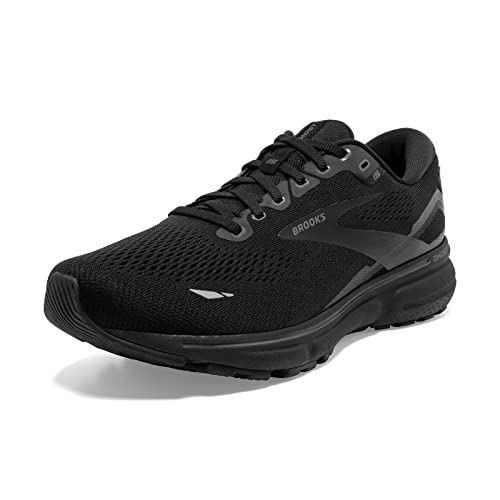
Brooks Ghost 15 Neutral Running Shoe

ASICS GT-1000 14 Running Shoes

Brooks Anthem 8 Running Shoe

ASICS Gel-Excite 11 Running Shoes

ASICS Gel-Venture 11 Trail Running Shoes
A Closer Look At Each Pick
Long road runs feel repetitive when a shoe fights you, and the Ghost 15 leans the other way. It is built as a straightforward neutral trainer that lets your foot settle into its natural line, which matters when you log ten or more miles at a stretch. Compared with the firmer feel of the ASICS GT-1000 14 later in this list, this one trades structure for a softer, more forgiving landing.
Beginners who just bought their first running watch and seasoned runners who want a reliable weekday pair both tend to find a fit here. The breathable upper helps in warm-weather miles, and the midsole cushions without feeling mushy under tempo work. If your weekly routine leans heavily toward sidewalk loops or treadmill sessions, this is the easy answer.
Why It Works Well
- Balanced neutral geometry that suits a wide range of footstrikes without correction posts.
- Soft, protective midsole that absorbs repetitive pavement impact on long runs.
- Breathable upper that keeps feet cooler during summer mileage and indoor treadmill blocks.
- Versatile enough to handle easy jogs, recovery days, and steady long runs without feeling miscast.
- Accommodating fit that works for many foot shapes, helpful when shopping without a try-on.
Honest Caveats
- The cushion stack feels plush to runners who prefer a firmer, more responsive shoe.
- Outsole grip is road-focused, so wet grass or loose gravel will feel slippery by comparison.
Feature Snapshot
Right Fit For
Neutral runners stacking weekly road mileage who want one dependable shoe that handles easy days and long runs without fuss.
Consider Something Else When
You split time onto light dirt paths, where the ASICS Gel-Venture 11 Trail Running Shoes will grip and protect better on uneven ground.
The GT-1000 14 sits in an interesting middle ground: technically a neutral shoe, but built with a guidance system that keeps the foot centered through each stride. Runners who pronate just enough to feel fatigue in their arches often describe this as the bridge between a soft neutral like the Ghost 15 and a full stability trainer. It pulls double duty for women who want subtle structure without committing to a motion-control shoe.
Comfort comes from a lightweight polyester upper paired with FF BLAST cushioning, the foam compound that gives ASICS its springy, energetic feel underfoot. The synthetic rubber outsole holds up to daily pavement wear, and the updated 3D GUIDANCE SYSTEM keeps the platform steady through heel strike to toe-off. Long tempo runs and half-marathon training blocks both fit the bill.
Points In Its Favor
- FF BLAST midsole delivers energetic rebound that helps mid-pace and longer efforts feel less heavy.
- 3D GUIDANCE SYSTEM adds quiet stability for runners who pronate mildly but still want a neutral label.
- Lightweight polyester upper keeps the shoe breathable and reduces foot fatigue on long runs.
- Synthetic rubber outsole handles daily road mileage and stands up well to curb wear.
Trade-Offs To Consider
- The added guidance framework feels firmer than a pure neutral, which may not suit runners wanting maximum softness.
- Upper ventilation is decent but not the most open in this category, so hot summer runs can run warm.
Who It Suits Best
Neutral runners who log long distances and want mild guidance through the gait cycle without stepping into a full stability shoe.
Look Elsewhere When
You want a softer, more cushioned ride for short easy days, where the ASICS Gel-Excite 11 Running Shoes feels gentler underfoot.
When the workout calls for turnover rather than plush padding, the Anthem 8 earns its place in a rotation. Compared to the more cushioned Ghost 15, this Brooks entry sheds weight and shifts toward a snappier road feel. It still reads as a neutral shoe, so the foot lands without correction, but the platform feels quick under tempo pace.
Runners chasing a personal best at the local 5K, logging gym miles between outdoor sessions, or pairing a daily trainer with a faster shoe for race day will appreciate what this model offers. The lighter build also helps on humid days when a heavier shoe feels like a sponge. For anyone stepping up from walking to running, it doubles as a versatile gym-and-road companion.
Real Benefits
- Lightweight construction reduces leg lift over long tempos and makes faster paces feel more natural.
- Neutral platform keeps foot motion unrestricted, ideal for runners with a balanced gait.
- Versatile enough to handle track intervals, treadmill sessions, and easy road days.
Small Caveats
- Less cushion depth than the Ghost 15, so very long easy runs may feel less protective.
- Lighter build can wear through quicker if you log heavy weekly mileage in this single pair.
- Roads and gym floors suit it best, while dirt and gravel expose limits in grip and durability.
Whose Shelf It Belongs On
Runners who already own a high-mileage daily trainer and want a lighter, livelier shoe for workouts and race day.
Reach For A Different Pick When
You want a single shoe for every run, where the Brooks Ghost 15 Neutral Running Shoe covers long, easy days with more comfort.
New runners often worry about shoes feeling punishing underfoot, and the Gel-Excite 11 takes that worry seriously. Its jacquard mesh upper breathes well, while the dual foam setup of FF BLAST PLUS and AMPLIFOAM PLUS adds a noticeable softness without going flat. PureGEL in the rear softens heel landings, which matters when stride is still developing.
This is a comfortable pick for someone training for a first 5K, returning from a long break, or simply wanting a shoe that disappears during walks and easy jogs. Unlike the firmer guidance of the GT-1000 14, this model skips the structured feel and focuses on plush cushion. Sidewalks, treadmill belts, and gym floors all fit naturally.
Advantages To Know
- Breathable jacquard mesh upper keeps airflow steady on warm days and indoor treadmill sessions.
- FF BLAST PLUS and AMPLIFOAM PLUS combine for soft, light cushioning that protects newer runners.
- PureGEL rearfoot insert softens heel landings and eases joint strain on easy days.
Things To Weigh
- The plush stack can feel less responsive during faster workouts or tempo runs.
- Outsole durability is fine for road miles but may show wear sooner than firmer options.
Made For
Beginners and returning runners who want a soft, comfortable shoe for easy miles, walks, and gentle training blocks.
Where Another Pick Suits Better
You want faster turnover for track intervals, where the Brooks Anthem 8 Running Shoe offers a livelier, lighter feel.
Sidewalk-only runners may not need trail features, but anyone mixing park paths, gravel loops, or fire roads will feel the difference. The Gel-Venture 11 still reads as a neutral shoe, so the foot lands and rolls naturally, but it stacks an extra 2mm of AMPLIFOAM PLUS cushion underfoot for comfort on uneven ground. No-sew upper details keep hot spots at bay during longer dirt outings.
Where the Ghost 15 is built for clean pavement, this one is built for what lies past the curb. Its lugged outsole grips loose terrain, and the reinforced construction handles roots and rocks without fuss. Beginners exploring their first trail loop and walkers covering mixed surfaces will both find a fit here.
What Helps Most
- AMPLIFOAM PLUS cushion with a 2mm higher stack height softens impact on roots, gravel, and uneven paths.
- Lugged outsole grips dirt and loose surfaces where road shoes tend to slip.
- No-sew upper construction reduces irritation during longer outdoor sessions.
- Neutral geometry suits runners who want trail capability without added stability.
A Few Limitations
- Slightly heavier than pure road shoes like the Ghost 15, which can show up on fast road miles.
- Trail-focused lugs feel chunky on smooth indoor surfaces like gym floors.
Best Suited To
Neutral runners who split time between pavement and light trail, plus walkers covering park paths and uneven ground.
Swap It Out When
You stay mostly on sidewalks and treadmill belts, where the ASICS Gel-Excite 11 Running Shoes offers a softer road-focused ride.
What Matters Most Before Choosing Ladies Neutral Running Shoes
Understand Your Gait First
Neutral shoes work best when the foot doesn’t collapse inward or push outward much at the ankle. A quick gait check at a local running shop or a look at wear patterns on an old pair of shoes can tell you whether you sit in the middle of the spectrum. The Ghost 15 and Gel-Excite 11 serve runners who land true, while the GT-1000 14 adds gentle guidance for those leaning slightly off-center.
Match Cushion To Distance
Soft, plush midsoles like the one in the Gel-Excite 11 absorb impact on shorter, easier runs and for newer runners still building strength. Firmer, more responsive foams like FF BLAST in the GT-1000 14 and the lighter build of the Anthem 8 give back energy on tempo and longer sessions. You may find your weekly rotation needs two feels rather than one.
Pick The Right Outsole For Your Terrain
Road shoes use smoother rubber for grip on asphalt and gym floors, which is what the Ghost 15 and Gel-Excite 11 lean on. The Gel-Venture 11 adds lugs that bite into dirt and gravel, useful when your routes leave the sidewalk. Running in the wrong outsole often shows up as slipping in the wet or feeling pounded on hard trails.
Fit And Room In The Toe Box
Heel slippage and cramped toes ruin neutral shoes faster than any foam choice. Leave roughly a thumb’s width at the front of the toebox, and make sure the midfoot feels secure without pressure points. Most runners benefit from trying a pair on in the evening when feet are slightly swollen, mirroring how they feel mid-run.
Key Considerations Across These Picks
Wrong Turns To Avoid
Choosing by color or brand familiarity skips the most useful question: where do you actually run. Picking a soft road shoe for daily trail miles ends in slipped ankles, while choosing a stiff trail shoe for treadmill sessions adds weight you don’t need. Sizing up too far in pursuit of comfort can also cause blisters when the foot slides inside the shoe.
Where The Extra Money Goes
Higher-tier neutral shoes typically invest in lighter foam compounds, more breathable uppers, and better-wearing rubber outsoles. The GT-1000 14’s FF BLAST midsole is a clear example of a premium foam that returns more energy per step. Stepping up pays off when you log heavy weekly mileage, want a livelier ride for race day, or simply need a shoe that lasts through a longer training block.
Frequently Asked Questions
What makes a running shoe neutral?
A neutral shoe lacks extra posts or guide rails on the inside edge, so the foot rolls through its natural motion without correction. Runners whose arches stay steady through each step usually feel comfortable in this category.
How long do neutral running shoes typically last?
Most neutral road shoes hold up well through several hundred miles before the cushioning breaks down. Tracking your mileage or watching for new aches in the knees and shins helps signal when a replacement is due.
Can beginners start in a neutral shoe?
Yes, many beginners run well in a neutral shoe, especially if their arches stay high through the gait cycle. The ASICS Gel-Excite 11 is a soft, forgiving starting point for easy miles and short runs.
Should I size up in trail running shoes?
Trail shoes often benefit from a slightly roomier toebox to handle foot swelling on uneven ground. Trying them on with the socks you plan to run in gives the most honest read on fit.
How is a neutral shoe different from a stability shoe?
Stability shoes add structured elements that gently limit inward ankle roll, while neutral shoes leave the foot free to move. Runners with mild pronation sometimes pick a guided neutral like the GT-1000 14, while heavier pronators usually need a true stability model.
Closing Thoughts
A neutral running shoe should match your stride, your routes, and the miles you actually log. The picks here cover soft road cushion, guided stability, lightweight speed, and light trail in one shortlist. Try a pair on with the socks you train in, walk around the store, and let comfort make the call. Your next training block will thank you for the fit.