Picking the right pair shapes how every run feels, whether you’re chasing a new personal best or fitting in a quick loop around the neighborhood. The right shoe softens harsh pavement, holds your foot steady through tired miles, and keeps your knees happier on long efforts. Comfort and fit always matter more than flashy branding, so this roundup focuses on what each pair actually brings to your stride.
A Side-By-Side Look

ASICS GEL-1130 Sportstyle Shoes

Hoka Gaviota 5 Women’s Sneakers
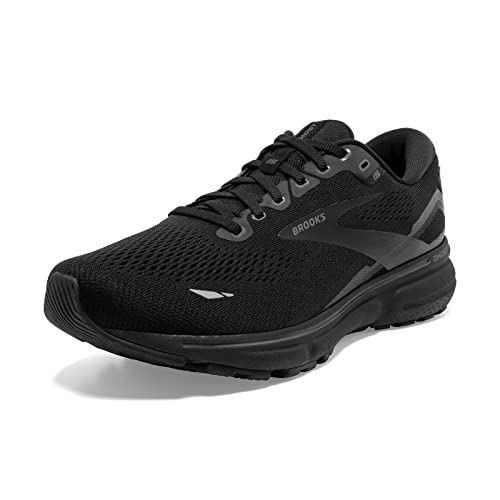
Brooks Ghost 15 Neutral Running Shoe
ALTRA Experience Flow 2 Road Running Shoe
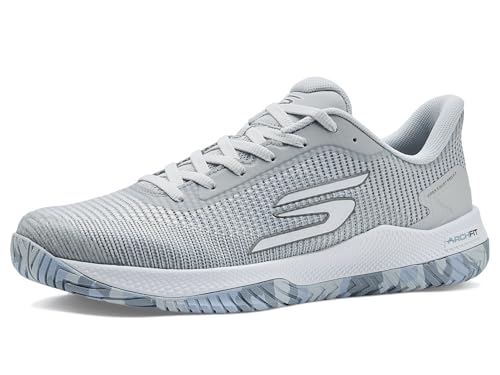
Skechers Viper Court Pro 2.0
ALTRA Escalante 4 Road Running Shoe
ALTRA Torin 8 Road Running Shoe
The Strengths Of Each Pick
Pulled from the same lineage as the GEL-1000 series, the ASICS GEL-1130 leans into its retro roots while keeping the ride friendly enough for everyday pavement. Suede paneling softens the upper, giving the shoe a casual look that pairs easily with post-run coffee stops. Cushioning underfoot absorbs the sting from sidewalks and short asphalt stretches.
The construction borrows cues from the well-loved GEL-KAYANO 14, so you get a touch of structured support without the bulk of a heavy trainer. Runners who want a shoe that feels just as comfortable walking to the gym as logging three easy miles will find this one versatile. It sits lower and lighter than the stability picks on this list.
The Good Stuff
- Retro styling that transitions from run to casual wear
- Suede paneling adds durability and a premium hand feel
- GEL cushioning softens impact on harder surfaces
- Stable platform inspired by the classic KAYANO line
Things To Consider
- Less plush than long-distance trainers on this list
- Suede upper needs occasional care to stay clean
Who It Suits Best
Runners who split time between casual wear and shorter easy runs, and who appreciate a heritage look over a hyper-technical build.
Look Elsewhere When
The Hoka Gaviota 5 is a better fit when plush stability and high-mileage cushioning matter more than styling.
The Hoka Gaviota 5 takes a fresh approach to stability by pairing a wide H-Frame base with notably softer foams than older stability shoes. Runners who overpronate or who simply want extra support during long efforts get a plush landing without the rigid posts common in traditional stability trainers. The breathable jacquard upper keeps things cool on warm summer routes.
An ultra-plush collar wraps the ankle, which feels welcoming for runners who deal with heel irritation. You will find more cushioning underfoot here than in the ASICS Gaviota, making this a natural pick for daily training blocks where comfort outranks speed. For most runners logging 20 to 40 miles a week, the Gaviota 5 holds up beautifully across recovery days and easy tempos alike.
Benefits That Matter
- H-Frame base delivers stability without stiff posts
- Bondi-level cushioning softens long runs
- Breathable creel jacquard upper keeps feet cooler
- Plush collar reduces ankle irritation on longer efforts
- Wide platform suits runners needing extra forefoot room
Worth Noting
- Sits heavier than tempo-focused options like the Escalante 4
- Larger stack may feel tall for runners used to lower-profile shoes
- Stability features are unnecessary for neutral strikers
Built With In Mind
Runners seeking structured support on long pavement sessions, especially those who overpronate or want extra cushion under tired joints.
Consider Something Else When
The Brooks Ghost 15 is a better fit for neutral strikers who want a lighter, smoother ride without dedicated stability hardware.
The Brooks Ghost 15 earns its reputation as a dependable neutral trainer that rarely disappoints. The shoe delivers a balanced, smooth ride that works for short loops, longer weekend miles, and even treadmill sessions. Soft cushioning lands gently without feeling mushy, and the upper holds the foot securely without pinching across the forefoot.
Compared to the Hoka Gaviota 5, the Ghost feels lighter and more flexible, which makes it appealing for runners who like a quieter, more grounded stride. Neutral strikers get a versatile platform that handles daily training without specialized features. Newcomers to running often find this shoe forgiving, while seasoned runners appreciate its predictable feel across changing paces.
The Upside
- Neutral platform works across many stride styles
- Soft midsole absorbs impact without sluggish rebound
- Secure upper fits a wide range of foot shapes
- Versatile enough for easy runs, long efforts, and gym wear
Trade Offs
- Less structured support for runners who overpronate
- Not as lightweight as tempo-focused options
Right Fit For
Neutral-strike runners wanting a versatile, no-fuss daily trainer that handles short and long miles equally well.
A Better Fit Elsewhere
The Hoka Gaviota 5 is the stronger pick for runners needing dedicated stability and plush cushioning on long efforts.
The ALTRA Experience Flow 2 blends the brand’s signature FootShape toe box with subtle guidance through the midfoot. Runners who want their toes to splay naturally appreciate the roomier forefoot, while the guided midsole offers a touch more support than a pure zero-drop trainer. It strikes a middle ground between ALTRA’s more minimal Escalante and its plush Torin.
Roads feel forgiving underfoot thanks to a balanced midsole that doesn’t push too far toward soft or firm. The shoe handles tempo segments and easy miles with equal composure, making it a sensible pick for runners who like variety in their training week. Compared to the Brooks Ghost 15, you get a wider platform and a more natural feel.
The Case For It
- FootShape toe box lets toes splay naturally
- Guided midsole adds mild support without rigid posts
- Balanced cushioning works across easy and steady paces
- Versatile trainer for varied weekly workouts
Room For Improvement
- Roomy fit may feel loose for runners with narrow heels
- Heavier than the Escalante 4 for dedicated speed days
Best Suited To
Runners wanting a natural foot shape with light guidance, who mix easy miles with the occasional steady effort.
Reach For A Different Pick When
The ALTRA Escalante 4 is a smarter pick for runners prioritizing speed work and a featherweight feel on the road.
The Skechers Viper Court Pro 2.0 was built with the pickleball court in mind, but the supportive Arch Fit insole and responsive midsole translate nicely into gym sessions and casual road miles. A reinforced mesh upper balances durability with enough airflow for warm indoor play. Lateral support helps during side-to-side court movements that road shoes don’t always address.
It is the outlier on this list, since road running isn’t its primary purpose. Runners who cross-train heavily between pavement and gym floors may appreciate its versatility, but pure distance runners will likely prefer the more cushioned ALTRA Torin 8 for longer efforts. The fit feels snug through the midfoot, which suits quick directional changes.
What Works In Its Favor
- Arch Fit insole offers supportive underfoot comfort
- Reinforced mesh upper holds up to lateral movement
- Responsive cushioning suits quick stops and starts
- Versatile enough for courts, gym floors, and light road miles
Honest Caveats
- Not designed as a primary road running shoe
- Lower stack height means less long-distance cushioning
Who Will Love This
Active women who split time between pickleball, gym workouts, and casual walking, and want one shoe to cover mixed sessions.
Skip It When
The ALTRA Torin 8 is the better choice for runners focused on road mileage and longer pavement efforts.
The ALTRA Escalante 4 is the featherweight option on this list, built for runners who want a nimble, fast feel on the road. A streamlined upper keeps the shoe airy, while the brand’s signature FootShape toe box still allows natural toe splay. Tempo runs, track sessions, and shorter races feel responsive without weighing your stride down.
The cushioning is lighter than what you will find in the Torin 8 or the Hoka Gaviota 5, which is the trade-off for that quick, low-profile feel. It rewards runners who already log consistent mileage and know how to pace themselves over harder efforts. Compared to the Experience Flow 2, this shoe skips the guided midsole for a more minimal, ground-hugging ride.
Bright Spots
- Lightweight build suits tempo and race-pace efforts
- FootShape toe box keeps the forefoot comfortable
- Streamlined upper feels breathable on warm days
- Low profile delivers a responsive, grounded ride
Points To Note
- Less cushioning for long easy runs
- Minimal structure may feel harsh for runners needing support
- Not built for high-mileage daily training blocks
The Right Fit
Experienced runners who split their week between easy miles and faster workouts, and want a quick shoe for the latter.
Another Choice May Suit
The ALTRA Torin 8 is a better fit for runners whose training leans toward long, cushioned recovery days.
The ALTRA Torin 8 is the softest ride in the brand’s road lineup, and one of the most cushioned options on this entire list. A generous midsole absorbs road harshness, while the FootShape toe box keeps your forefoot from feeling pinched during long efforts. Easy runs and recovery days feel noticeably more forgiving than in lighter trainers like the Escalante 4.
The shoe carries a bit more weight than the Escalante, which is the natural trade-off for that plush underfoot feel. Runners who rack up high weekly mileage often gravitate toward shoes like the Torin 8 for their daily workhorse. It compares favorably to the Hoka Gaviota 5 for runners who want soft cushioning without dedicated stability hardware.
Well-Handled Touches
- Plush midsole cushions long easy runs
- FootShape toe box supports natural toe splay
- Comfortable for high-mileage training weeks
- Versatile across recovery days and steady miles
Some Limits To Know
- Heavier than the Escalante 4 for speed sessions
- Stack height may feel bulky for runners preferring a low profile
Whose Shelf It Belongs On
Runners logging consistent weekly mileage who prioritize soft cushioning and natural toe room for daily training runs.
Where Another Pick Suits Better
The Hoka Gaviota 5 is a stronger choice for runners needing structured stability on top of plush cushioning.
What Matters Most Before Choosing Ladies Road Running Shoes
Fit always beats features. A shoe that feels slightly off in the heel or forefoot will frustrate you long before any technical advantage matters. Try on pairs later in the day when your feet are slightly swollen, mimicking post-run conditions. Sock thickness changes fit noticeably, so bring the socks you actually run in.
Cushioning levels should match your weekly mileage and pace variety. Runners mixing long easy days with faster workouts benefit from two shoes in rotation: a plush daily trainer like the Torin 8 and a lighter option like the Escalante 4. Neutral runners who overpronate mildly get away with neutral shoes, but persistent knee or arch discomfort signals a need for structured stability like the Gaviota 5.
Toe box shape often gets overlooked, but it matters for comfort over distance. Roomy FootShape designs let toes splay naturally, which reduces hot spots and numbness during longer efforts. Narrower fits lock the foot down more, useful for sprinters but less ideal for marathon-block training.
Durability depends on outsole rubber quality and midsole foam density. Higher-mileage runners should expect to replace shoes every 300 to 500 miles, regardless of brand. Rotating between two pairs extends the life of both, since foam recovers between runs.
Things Worth Knowing Before You Pick
Mistakes Worth Dodging
Choosing by color or hype rather than fit is the most common trap. A shoe that looks great but pinches your forefoot will ruin a run within the first mile. Treat reviews as a starting point, then prioritize how a shoe actually feels during a test jog.
Ignoring your gait type leads to wasted money. Neutral runners buying heavy stability shoes carry unnecessary weight, while overpronators in flexible neutral shoes risk joint discomfort over time. Watching a few videos of your own stride on a treadmill can clarify what your feet actually need.
When Paying More Pays Off
Premium road running shoes earn their price through better foams, lighter constructions, and longer-lasting outsoles. A higher-end trainer often delivers 200 extra miles before the cushioning breaks down compared to budget options. For runners logging 25 or more miles weekly, the upgrade pays for itself in fewer replacements and fewer aches.
Frequently Asked Questions
How often should ladies road running shoes be replaced?
Most road running shoes last between 300 and 500 miles before the cushioning loses its rebound. Tracking mileage through a running app or simple notebook helps you plan replacements before aches creep in.
Do I need stability shoes if my feet pronate mildly?
Mild pronation is common and often manageable in neutral shoes with a supportive midsole. Persistent knee or arch pain during runs is a stronger signal for structured stability than foot position alone.
Can I use road running shoes for treadmill runs?
Yes, treadmill running uses the same shoe mechanics as outdoor pavement. Many runners rotate between treadmill miles and outdoor runs without switching footwear.
What’s the benefit of a wider toe box?
A wider toe box allows toes to splay naturally, reducing hot spots and numbness during long efforts. Runners with bunions or wider forefeets often find this shape more comfortable over distance.
Are lightweight shoes less durable?
Lighter shoes often use thinner upper materials and softer midsole foams, which can wear faster under high mileage. Runners prioritizing speed should expect to replace lightweight options more frequently than plush trainers.
Final Verdict
The right shoe depends on where your training takes you. Neutral runners will feel at home in the Brooks Ghost 15, while overpronators get dependable support from the Hoka Gaviota 5. Runners who want natural toe room can choose between the versatile Experience Flow 2, the speedy Escalante 4, and the plush Torin 8. Pick the pair that matches your weekly routine, and your miles will feel easier from the first step.