Finding the right pair matters more than brand loyalty when your knees, ankles, and weekly mileage all have opinions. The five picks below lean into different strengths, from cushioned road workhorses to grippy trail options, so you can match a shoe to how you actually run, not how a marketing page imagines you do. Whatever your pace or surface, the goal is comfort that holds up past the first ten kilometres.
A Snapshot Of The Selections
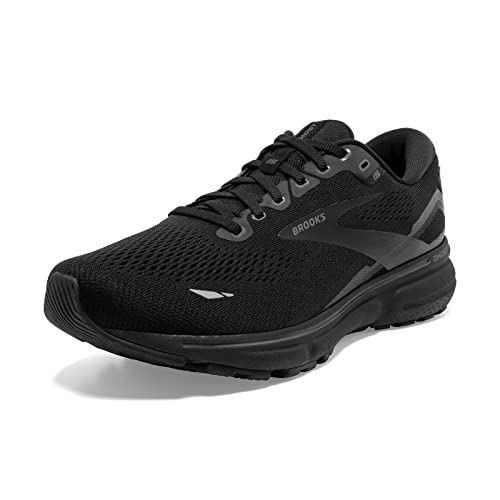
Brooks Women’s Ghost 15 Neutral

ASICS Women’s GT-1000 14 Running

Brooks Women’s Anthem 8 Running

ASICS Women’s Gel-Excite 11 Running

ASICS Women’s Gel-Venture 11 Trail
A Breakdown Of The Leading Choices
The Ghost 15 sits at the heart of the Brooks road lineup, built for neutral pronation, a foot strike that rolls straight through the gait cycle without leaning heavily inward or outward. It is the kind of shoe that disappears on your feet, asking little attention over five-kilometre shakeouts or longer weekend tempos. Compared with the GT-1000 14 below, it skips structured stability hardware and leans fully into soft, even cushioning.
For runners logging consistent weekly mileage on pavement, this is the safe, dependable centre of the road-shoe world. Beginners get a forgiving platform, while seasoned runners get a familiar workhorse for easy days.
Useful Highlights
- Neutral support suits a wide range of foot strikes without forcing a gait change
- Plush midsole cushioning softens concrete for daily training volume
- Versatile enough for easy runs, gym sessions, and casual wear
- Engineered for steady road mileage rather than one-off races
Things To Consider
- Not built for trail surfaces, where lugs and rock plates earn their keep
- Lacks the structured guidance some overpronators want
Who It Suits Best
Neutral-gait road runners who rack up steady weekly mileage and want a soft, no-fuss daily trainer.
Look Elsewhere When
Runners who notice their ankles rolling inward on longer runs will find more guidance in the ASICS GT-1000 14.
The GT-1000 14 is ASICS’s entry-level stability trainer, aimed at runners whose feet roll inward slightly on landing, a pattern called mild overpronation. The midsole uses FF BLAST foam (a lightweight, responsive cushioning compound) layered with a guidance system that nudges the foot into a smoother path. Where the Ghost 15 aims for plush neutrality, this shoe leans into structure and control.
It suits newer runners who want stability without paying flagship prices, plus heavier athletes who appreciate firmer support. Daily training is the sweet spot, not race-day speedwork.
Positive Takeaways
- 3D GUIDANCE SYSTEM helps align the foot for smoother transitions
- FF BLAST midsole delivers a soft, bouncy ride under structured support
- Polyester upper and synthetic rubber outsole keep the build lightweight
- Positions itself as an affordable route into stability running
Trade Offs
- Firmer feel may feel less cushioned than the Ghost 15 for runners wanting pure softness
- Stability hardware adds slight weight compared with neutral trainers
Key Specs
Made For
Runners with light overpronation who want structured support without stepping up to flagship stability pricing.
Where Another Pick Suits Better
Neutral runners who prefer an unstructured ride will be happier with the Brooks Ghost 15.
The Anthem 8 is Brooks’s gateway road shoe, offering a softer entry point for runners who want brand-name engineering without flagship pricing. It targets neutral gaits and shorter-to-moderate distances, where a lighter, simpler midsole makes sense. Think of it as the Ghost 15’s pared-back sibling, trading premium cushioning for everyday accessibility.
Beginners building a running habit find it forgiving, and budget-conscious shoppers get the Brooks fit philosophy at a friendlier cost. Long-race training isn’t its aim, but regular weekly running absolutely is.
Why It Works Well
- Lower price tier within the Brooks road lineup
- Neutral platform suits most foot strikes
- Streamlined build feels light for easy paces
- Smart starting point for first-time running shoe shoppers
Honest Caveats
- Cushion stack is shallower than the Ghost 15 for high-mileage training
- Fewer premium materials may affect long-term durability
- Limited structure for runners needing pronation support
Key Specs
Right Fit For
New runners and casual joggers who want a familiar brand at a friendlier price than premium road trainers.
Consider Something Else When
Runners training for a half marathon or longer will want the deeper cushioning of the Brooks Ghost 15.
The Gel-Excite 11 is built around softness, layering FF BLAST PLUS and AMPLIFOAM PLUS foams (two ASICS cushion compounds stacked for plush impact absorption) over a rearfoot PureGEL insert that smooths heel landings. The jacquard mesh upper adds airflow for warmer days. Compared with the trail-ready Venture 11 below, it is firmly a road and treadmill shoe.
Walkers, light joggers, and anyone on their feet for hours will appreciate the cushioned feel. Speedwork is not its calling, but comfort across long days absolutely is.
The Upside
- Breathable jacquard mesh upper helps feet stay cooler
- Stacked FF BLAST PLUS and AMPLIFOAM PLUS foams create a plush ride
- Rearfoot PureGEL smooths impact at heel strike
- Comfortable for walking, errands, and easy jogs alike
Room For Improvement
- Plush stack can feel less responsive at faster paces
- Outsole designed for roads, not loose dirt or gravel
- Lacks structured stability for overpronators
Best Suited To
Walkers, casual joggers, and anyone wanting maximum cushion for daily wear and light running.
A Better Fit Elsewhere
Runners who head off pavement onto gravel or trail will appreciate the grippy outsole of the ASICS Gel-Venture 11.
The Gel-Venture 11 is the trail sibling of the Gel-Excite 11, adding a lugged outsole for grip on dirt, gravel, and uneven paths. AMPLIFOAM PLUS cushioning pairs with a 2mm higher stack height than the previous version, meaning a touch more material between foot and ground for impact absorption. No-sew upper details reduce rubbing on longer walks.
It fits runners who split time between pavement and park paths, plus hikers wanting one shoe for casual trails. Steep technical terrain is beyond its scope, but everyday trail use is right in its lane.
Useful Touches
- AMPLIFOAM PLUS midsole softens impact on uneven ground
- Lugged outsole grips loose surfaces better than road shoes
- No-sew upper construction reduces hot spots over time
- Versatile enough for light hikes and trail running alike
Points To Note
- Trail lugs feel clunky on smooth indoor surfaces
- Not built for technical mountain terrain or rock scrambling
- May run warm compared with road trainers in summer
Key Specs
Whose Shelf It Belongs On
Runners and walkers who mix pavement with park trails, gravel paths, or light off-road routes.
Reach For A Different Pick When
Pure road runners chasing tempo miles will find the softer road feel of the ASICS Gel-Excite 11 more inviting.
What Matters Most Before Choosing Ladies Running Shoes
Matching The Shoe To Your Gait
A neutral shoe works for feet that roll straight through each step. Runners whose ankles tilt inward need stability models like the GT-1000 14, which use guidance systems to keep the foot aligned. Quick self-check: look at the wear pattern on an old pair. Heavy inner-edge wear often signals mild overpronation worth addressing.
Cushioning Stack And Feel
Stack height refers to the total thickness of material between foot and ground. Higher stacks, like those in the Gel-Excite 11, feel plush and forgiving on pavement. Lower stacks feel more grounded and responsive. Your weekly mileage, body weight, and joint sensitivity all steer this choice more than brand loyalty does.
Road Versus Trail Use
Trail shoes carry lugged outsoles (aggressive rubber nubs) for grip on loose dirt and gravel. Road shoes have smoother contact patches designed for hard surfaces. Hybrid walkers can wear trail shoes on pavement, but road shoes should stay off technical terrain where lugs earn their place.
Fit, Toe Box, And Long-Term Comfort
Always try a new pair late in the day when feet are slightly swollen, and leave about a thumb’s width at the toe. A roomier toe box helps on longer runs when feet spread under load. Shoes that feel fine in the store often reveal pressure points by kilometre five.
Key Considerations Across These Picks
Where Shoppers Go Wrong
Picking by colour or current trend instead of gait is the most common slip. A pretty stability shoe still won’t help a neutral runner, and a neutral shoe leaves overpronators working harder than they should. Match the shoe to your foot, not your feed. The second mistake is buying too small, since running adds half a size or more to most feet over time.
Where The Extra Money Goes
Higher-tier road shoes add denser, more responsive foams, lighter mesh uppers, and refined guidance systems. For a new jogger running three days a week, the Anthem 8 covers the basics well. For someone training toward a half marathon, the Ghost 15’s deeper cushioning earns its keep. The upgrade pays off when mileage climbs, not when the logo looks better.
Frequently Asked Questions
How Often Should Running Shoes Be Replaced?
Most road shoes hold up well for roughly 500 to 800 kilometres before cushioning and outsole grip start fading. Track mileage in a notebook or running app, and rotate in a fresh pair once your current shoes feel noticeably flatter underfoot.
Can I Use Trail Shoes On Pavement?
Yes, though the lugs wear down faster on hard surfaces and the ride feels slightly firmer. For mixed walking and light running, the Gel-Venture 11 handles pavement without issue. Pure road mileage is where road shoes still win on durability.
Do I Need Stability Shoes If My Ankles Roll Slightly?
Not necessarily. Mild pronation is common and often manageable in a neutral shoe with good cushioning. The GT-1000 14 earns its place when inward roll persists across long runs or causes recurring aches.
Are Cushioned Shoes Better For Beginners?
Generally yes. Extra cushioning forgives form imperfections and reduces impact during the early months of training. The Gel-Excite 11 and Ghost 15 both offer plush platforms that help newcomers stay comfortable while building habit.
Should Running Shoes Feel Tight At First?
No. A snug heel with room in the toe box is the target. Tight shoes cause blisters and black toenails within weeks, while properly fitted pairs feel secure without squeezing.
The Takeaway
Ladies running shoes work best when they match your gait, your mileage, and the surfaces you actually use. Neutral road trainers like the Ghost 15 handle most weekly pavement, while the Gel-Venture 11 steps in for trail days. Match the shoe to the run, give your feet a thumb’s width at the toe, and replace pairs when cushioning goes flat.