Heel height changes squat depth. A rigid midsole stops your foot from collapsing under load. Outsoles that bite into the platform keep you planted when the barbell gets heavy. Choosing the right pair means knowing what your lifting actually looks like, because a CrossFit box and a powerlifting platform ask for different things from footwear. This roundup sorts through seven options built for squats, with a clear eye on fit, feel, and the kind of stability your lifts need.
An Overview Of The Picks

Reebok Men’s CrossFit Nano 9.0 Training Shoes


adidas Men’s Powerlift 4 Weightlifting Shoe
Osterland Weightlifting Shoes for Men Women
NOBULL Men’s Outwork Shoe

NOBULL Men’s Outwork Edge Shoe

NOBULL Women’s Allday 365 (Ripstop) Shoe
Taking A Closer Look At The Options
Most box workouts mix barbell cycling with sprint intervals and plyometrics (jump-focused movements like box jumps and broad jumps), and that is exactly where the Reebok CrossFit Nano 9.0 feels at home. A breathable Flexweave upper (Reebok’s woven material that flexes with your foot while holding shape) handles rope climbs and burpees without weighing you down, while the cushioned midsole softens landings between sets.
For pure heavy squat triples, you may find the soft midsole trades a little ground firmness for that all-day versatility. Lifters chasing a single-purpose squat shoe should look further down this list, but anyone whose sessions blur strength and conditioning gets a lot of mileage from this one.
What Works In Its Favor
- Woven Flexweave upper gives breathable, foot-hugging support during long WODs (workout-of-the-day sessions)
- Cushioned midsole keeps short runs and jumps from beating up your joints
- Low-profile heel works fine for moderate squat volumes without aggressive forward lean
- Durable outsole grips well across rubber flooring and lifting platforms
- Versatile enough to skip a shoe change between cardio and barbell blocks
Honest Caveats
- Midsole compression under very heavy squats can feel mushy compared to a dedicated heel wedge
- Fit runs narrow, so wide-footed lifters may size up carefully
At A Glance
Best Suited To
CrossFit-style athletes who split their training between barbell squats, sprints, and gymnastics work.
Consider Something Else When
Powerlifters chasing a rigid heel for competition squats will get more from the Adidas Mens Fitness.
The Adidas Mens Fitness slot covers the Powerlift 4 family of entry-level lifting shoes, and that lineage shows in the geometry. A narrow last (the foot-shaped mold the shoe is built around) hugs your midfoot, a wedge-shaped midsole lifts the heel just enough to open up hip and ankle range, and a wide instep strap pulls your foot onto the platform.
You trade the plush comfort of a cross-trainer for a stiffer, more planted feel under the bar. For a first proper lifting pair, that trade usually pays off fast, especially if your current squat depth stalls because your ankles won’t sit flat.
Features That Help
- Raised heel wedge improves squat depth for lifters with limited ankle mobility
- Wide instep strap locks the foot down so lateral foot splay (your foot spreading outward under load) stays controlled
- Durable canvas upper tolerates chalk, sweat, and repeated chalk-up sessions
- Narrow last gives a snug, secure fit for average-width feet
Points To Note
- Canvas upper breathes less than mesh trainers, so socks can get damp in long sessions
- Stiff sole makes walking between lifts awkward outside the platform
- Not designed for sprints or box jumps, so you’ll want a second shoe for conditioning
Who Should Grab It
Beginners stepping into a real lifting shoe who want a forgiving price on a proven wedge design.
Look Elsewhere When
Athletes mixing heavy squats with running intervals should pair this with a softer cross-trainer like the Reebok CrossFit Nano 9.0.
The Powerlift 4 sits in that sweet spot where price meets proven geometry. A firm midsole wedge sits beneath a lightweight canvas upper, and a single wide instep strap pulls everything tight before you unrack the bar.
Compared to the Adidas Mens Fitness listed above, this version leans harder into dedicated strength work. You get the same wedge logic but a tighter, more competition-ready feel that holds up through long training blocks. For most lifters who squat two to four times a week, this is the everyday workhorse.
Key Advantages
- Stiff TPU (rigid plastic) heel wedge keeps ankle angle consistent rep after rep
- Wide instep strap gives a locked-in feel during heavy singles and doubles
- Canvas upper stays cool enough for long warm-up ladders
- Rubber outsole grips wooden platforms and rubber stall mats
- Made with Primegreen recycled materials for shoppers watching material sourcing
Trade Offs
- Sizing runs narrow, so wide feet often need to size up
- Strap velcro can collect chalk dust and lint over time
- Zero cushion means walking around the gym feels clunky
Feature Snapshot
Whose Shelf It Belongs On
Lifters who squat heavy at least twice a week and want a single-purpose shoe that just gets out of the way.
Skip It When
Your training leans more CrossFit than powerlifting, in which case the NOBULL Men’s Outwork Shoe covers more ground.
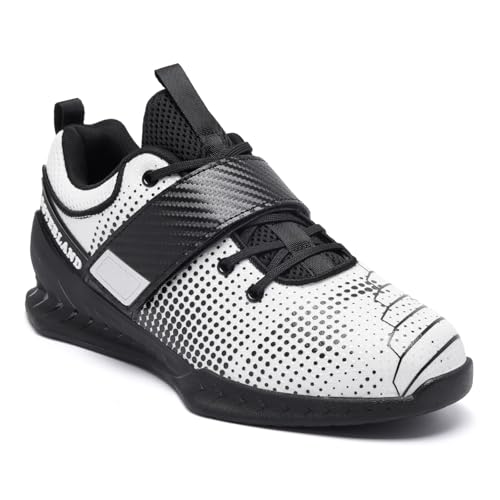
The Osterland pair shows up often when shoppers want to test the waters on raised-heel squatting without committing to a brand-name price. The build follows the familiar template: a heel wedge, an instep strap, and a stiff sole that lets you feel the floor instead of mush through it.
It won’t have the long-term polish of an Adidas or NOBULL, and finishing details tend to be simpler. For a first year of squatting, that gap usually doesn’t matter, but expect to upgrade within a couple of seasons if your training volume climbs.
Noteworthy Benefits
- Heel wedge opens up squat depth without forcing a heeled shoe into everyday wear
- Single instep strap gives a more secure feel than a lace-only setup
- Unisex sizing covers a wider range of foot shapes
- Lower price makes it easier to commit to technique work in a real lifting shoe
Worth Bearing In Mind
- Build quality and stitching durability vary run to run, a commonly reported issue with newer budget brands
- Strap hardware can feel light compared to name-brand equivalents
- Limited colorways restrict matching to your gym kit
Quick Facts
Made For
First-time squatters testing raised-heel geometry on a tight budget before stepping into a premium pair.
Swap It Out When
Lifters logging four or more squat sessions a week will wear through these faster than the adidas Men’s Powerlift 4 Weightlifting Shoe.
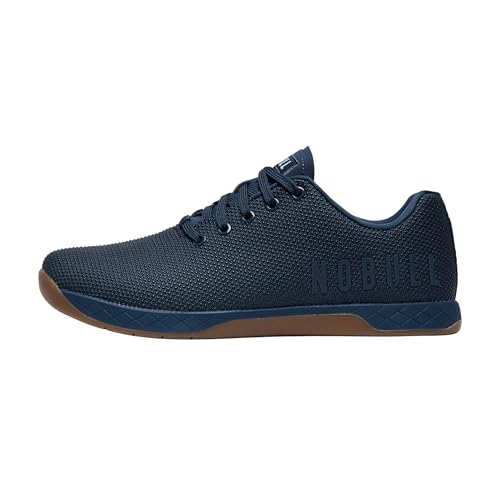
NOBULL built its reputation on training shoes that take a beating, and the Outwork keeps that tradition alive. A SuperFabric upper (a flexible material overlaid with tiny ceramic plates for abrasion resistance) shrugs off rope-climb friction and barbell drags, while the flat, grippy outsole keeps your foot planted under heavy front squats.
Without a heel wedge, this is a flat-soled trainer more than a classic lifting shoe, so deep Olympic-style squats can feel limited. Where it shines is the squat variation found in everyday strength work: paused back squats, tempo work, and high-rep sets where you want foot feedback.
Where It Helps
- SuperFabric upper resists scuffs from rope climbs, racks, and outdoor sessions
- Flat outsole gives honest floor feel for paused squats and tempo work
- Minimal midsole stack keeps your center of gravity low under the bar
- Low-key styling transitions from gym floor to weekend errands
Potential Drawbacks
- Flat sole limits depth for lifters with tight ankles or who prefer low-bar positioning (where the bar sits across the upper traps)
- SuperFabric runs warm during high-sweat summer sessions
- Less arch support than chunkier trainers, so flat-footed lifters may need insoles
Perfect Match For
Lifters who squat inside general strength programs and want one shoe that survives the commute and the rack.
A Better Fit Elsewhere
Anyone chasing competition-depth squats will get more heel assistance from the adidas Men’s Powerlift 4 Weightlifting Shoe.
The Outwork Edge pushes NOBULL’s training formula a step further with a tougher, more reinforced upper. Where the standard Outwork already handles rope friction, this version trims weight and adds targeted structure, which matters when squats sit inside longer metcon (metabolic conditioning, meaning high-intensity circuit-style training) blocks.
It still keeps the flat platform that NOBULL is known for, so powerlifters chasing deep heel-assisted squats should keep scrolling. Cross-training athletes who want one durable shoe to handle heavy squats, double-unders, and box jumps will find a lot to like here.
A Strong Showing
- Reinforced upper extends shoe life through high-friction metcons
- Lightweight build reduces foot fatigue during long training days
- Wide toe box gives natural foot splay (your toes spreading to stabilize) for balanced squats
- Grippy outsole handles outdoor sled work and indoor platforms alike
Less-Strong Areas
- Price climbs above the standard Outwork, which may not pencil out for casual lifters
- Limited colorway availability at launch can make sizing up for a wider fit tricky
Key Product Details
Right Fit For
CrossFit-style athletes stacking heavy squats with conditioning work who want one shoe to do it all.
Reach For A Different Pick When
Lifters training on a powerlifting platform get a stiffer, more focused base from the Adidas Mens Fitness.
The Women’s Allday 365 closes out this list with a lighter ripstop upper (a nylon fabric woven with reinforced threads to stop small tears from spreading) that breathes better than the standard Outwork. A flexible midsole and roomy toe box let your foot settle into squat positioning without fighting the shoe.
The flat sole keeps the platform honest, so heel-assisted depth isn’t the goal here. Active women who train varied sessions and want a single shoe that transitions from warm-up squats to a walk to coffee will appreciate the everyday comfort.
What It Does Well
- Ripstop upper sheds sweat and dries fast between sessions
- Roomy toe box supports natural foot splay during squats and lunges
- Versatile styling works at the gym and beyond
- Lightweight feel reduces fatigue on long training days
Where It May Fall Short
- Flat sole won’t open ankle range the way a wedge shoe like the Adidas Mens Fitness does
- Ripstop upper, while tough, offers less side-foot protection than SuperFabric builds
Who It Suits Best
Active women who squat regularly inside varied programs and want one breathable shoe for training and daily wear.
Not Your Match When
Heel-assisted squat depth is the goal, in which case the adidas Men’s Powerlift 4 Weightlifting Shoe offers a stiffer platform.
Choosing Lifting Shoes For Squats That Match Your Training
A heel wedge, usually between 0.6 and 1 inch, is the single biggest decision. Lifters with tight ankles or who favor low-bar positioning get the most from a raised heel because it shortens the calf stretch at the bottom of the squat. Flat soles work better for lifters chasing natural foot positioning, Olympic variations, or high-volume tempo work.
Sole stiffness matters just as much. A TPU or hardwood midsole transfers force straight into the floor so your foot doesn’t waste energy compressing foam on heavy attempts. Cross-training shoes with softer midsoles feel friendlier during conditioning but lose that planted feel once the bar passes body weight.
Strap and closure design pulls everything together. A wide instep strap over the laces keeps the midfoot locked, especially during sets where your feet tend to spread. Lace-only trainers offer more even pressure for narrow feet but allow a little more foot splay under maximal loads. Material choice rounds it out: canvas and synthetic leather hold shape longer, mesh breathes better in hot gyms, and SuperFabric shrugs off rope friction for outdoor or box-style training.
What Sets Quality Lifting Shoes Apart
Mistakes Worth Dodging
Picking a shoe purely on looks is a fast way to end up with a flat sneaker that can’t hold a heavy squat. Try to match the shoe to your actual training, not to a colorway that catches your eye. Skipping a heel wedge when ankle mobility limits your squat depth is another common slip, since the wedge often fixes depth faster than months of mobility drills. Buy too narrow a fit, and you’ll feel every set in your toes.
Where The Extra Money Goes
Premium pairs spend the extra cost on stiffer midsoles, stronger strap hardware, and uppers that hold shape through years of chalk and sweat. The upgrade pays off when you squat three or more times a week, or when your training pushes past body-weight loads, because cheaper builds tend to compress and lose support faster. Beginners who squat twice a week and keep loads moderate often do fine starting with a budget-friendly wedge shoe and upgrading only when training volume climbs.
Frequently Asked Questions
Do I really need a raised heel for squats?
A raised heel helps lifters with tight ankles sit deeper in a low-bar squat by reducing the calf stretch at the bottom. Lifters with excellent ankle mobility often squat just as deep in a flat shoe and can skip the wedge.
Can I use my running shoes to squat?
Running shoes have soft, compressible midsoles designed to absorb impact, which means your foot wobbles under heavy loads. A stiff training or lifting shoe gives a much more stable base for squats.
How long should a pair of lifting shoes last?
With two to four squat sessions a week, a quality lifting shoe usually lasts one to three years before the midsole flattens or the strap wears out. Heavier training volume shortens that window.
Are unisex weightlifting shoes okay for women?
Yes, as long as the last shape and length match your foot. Many women size down in unisex pairs since men’s lasts are typically wider through the forefoot.
Should I size up if I have wide feet?
Often yes, but the better move is to look for a shoe with a roomy toe box first. Sizing up too much can loosen the heel and create instability under heavy loads.
Wrap Up
The right lifting shoe comes down to how often you squat and how deep you want to go. Beginners on a tight budget get a friendly entry point with raised-heel geometry from the Osterland pair. Lifters chasing a proven competition feel will land on the adidas Men’s Powerlift 4 Weightlifting Shoe. Cross-training athletes who want one durable shoe to cover everything should look at the NOBULL lineup. Match the shoe to your training reality, and the bar feels lighter from the very next session.