Lifting shoes live in a strange middle ground between athletic gear and proper equipment. You want a flat, hard sole for deadlifts and squats, a bit of heel lift for Olympic-style movements, and enough structure that your foot doesn’t wobble when the bar gets heavy. Shopping for women’s lifting shoes in particular can feel confusing, because plenty of listings blur the line between training shoes and dedicated lifters. This roundup cuts through that noise with seven options worth a look, plus guidance on what actually separates a real lifting shoe from a glorified cross-trainer.
The Leading Options At A Glance

Under Armour Project Rock 4 Cross-Training Shoe

adidas Adipower Weightlifting 2 Shoe
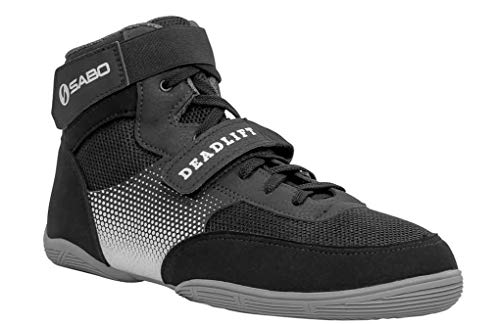
Sabo Deadlift Shoes

adidas Powerlift 5 Weightlifting Shoes
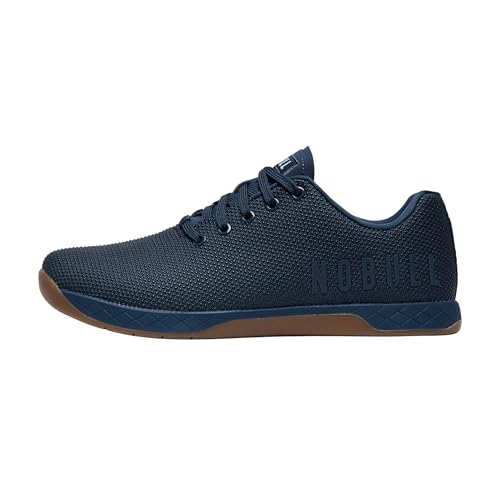

NOBULL Outwork Edge Training Shoe

NOBULL Allday 365 Ripstop Shoe
A Closer Look At Each Pick
The Under Armour Project Rock 4 is built for people who don’t sit still in the gym. It leans toward general cross-training rather than dedicated lifting, which is worth knowing up front. If your sessions mix box jumps, light squats, and accessory work, this shoe handles all of it without feeling clunky.
Compared to the adidas Adipower and Sabo below, this one trades a rigid lifting sole for more cushioning. That makes it friendlier for warm-ups and conditioning blocks, but less ideal under a max-effort squat.
The Value In It
- Flexible enough for conditioning work between heavy sets
- Mesh upper keeps feet cooler during long sessions
- Works as a single shoe for hybrid training days
- Cushioned midsole is forgiving on joint warm-ups
Things To Consider
- The sole compresses slightly under very heavy loads, which dedicated lifters may notice
- Lacks the raised heel that Olympic-style lifters typically prefer
Best Suited To
Gym-goers who split their time between lifting and metabolic conditioning and want one shoe for both.
Look Elsewhere When
Pure strength athletes should reach for the adidas Adipower Weightlifting 2 instead, since its raised heel and rigid platform serve heavy squats far better.
The adidas Adipower Weightlifting 2 is a serious shoe for serious lifting. A raised heel improves ankle mobility for deep squats and clean pulls, and the woven textile upper wraps the foot snugly without pinching.
Where the Under Armour Project Rock 4 above prioritizes versatility, this one leans fully into performance. It’s not the shoe you want for a plyometric circuit, but for an hour of focused squats and snatches, it feels purpose-built.
Why It Works Well
- Raised heel helps athletes sink into deep squats more comfortably
- Laces plus an instep strap lock the midfoot down under heavy load
- Stable platform encourages better bar-path control
- Textile upper breathes better than older leather lifters
Points To Keep In Mind
- Too stiff for warm-up runs or jumping drills
- Break-in period of a few sessions is common before the upper relaxes
Key Product Details
Who Should Grab It
Intermediate and advanced lifters chasing a personal record on squats, cleans, or snatches.
A Better Fit Elsewhere
If you mostly deadlift and want a flatter pull, the Sabo Deadlift Shoes below are a more focused match.
The Sabo Deadlift Shoes take the opposite approach from the adidas Adipower. Instead of a heel lift, they offer a hard, flat sole that keeps you close to the floor. That positioning matters when you’re pulling maximal loads off the ground.
Compared to the cushioned Under Armour Project Rock 4 above, Sabo’s design is uncompromising. You don’t wear these for warm-up walks, and you wouldn’t want to. They’re a tool for one job.
Where It Delivers
- Flat, hard sole reduces range of motion on deadlifts
- Stable base for pulling movements and low-bar squats
- Tight heel lockdown limits wobble under tension
Worth Noting
- Not suitable for Olympic lifts that benefit from heel elevation
- Limited cushioning can feel harsh across long accessory sessions
- Looks more like a wrestling shoe than a typical sneaker
Made For
Powerlifters and strength athletes who deadlift frequently and want every centimeter of pull height they can get.
Swap It Out When
Lifters focused on squats and overhead work will find the adidas Adipower Weightlifting 2 a more versatile match.
The adidas Powerlift 5 is often the first dedicated lifting shoe many people try. It pairs a raised heel with a sturdy canvas upper and a hook-and-loop strap, which is the classic entry-level formula. Nothing flashy, just a reliable platform.
Versus the more aggressive adidas Adipower above, the Powerlift 5 is a touch softer and more forgiving. That makes it a comfortable choice for newcomers still learning their stance.
Where It Excels
- Affordable entry into proper lifting footwear
- Strap and laces work together for a secure midfoot hold
- Canvas upper breaks in faster than rigid synthetics
- Widely available in multiple sizes for finding a fit
Honest Caveats
- Heel height is moderate, which may limit mobility for some squatters
- Sole flexes slightly more than premium lifters under max load
Feature Snapshot
Right Fit For
First-time shoe shoppers who want a budget-friendly pair to learn whether lifting shoes suit their training style.
Where Another Pick Suits Better
More experienced lifters chasing stiffer platforms should consider the adidas Adipower Weightlifting 2 instead.
The NOBULL Outwork is less of a lifting shoe and more of a training shoe that handles light lifting well. The construction leans toward gym versatility: rope climbs, sled pushes, accessory work, and the occasional squat session.
Where the adidas Powerlift 5 above is unapologetically a lifter, the NOBULL Outwork plays in the same space as the Under Armour Project Rock 4. The difference comes down to materials and brand feel.
Real Benefits
- Tough upper that holds up to rope and sled abuse
- Works for both gym sessions and casual wear
- Reasonably grippy outsole for box jumps and lateral work
Things To Weigh
- Not stiff enough to count as a serious lifting shoe
- Limited heel structure for deep front squats
Perfect Match For
Athletes who log functional fitness workouts and want a shoe that lasts through constant abrasion.
Not Your Match When
Dedicated lifters are more likely to prefer the adidas Powerlift 5 for its raised heel and rigid platform.
The NOBULL Outwork Edge builds on the standard Outwork with what appears to be a more reinforced upper. If you drag your feet on box jumps or kick walls during sled work, that reinforcement is the whole point.
Compared to the lighter Under Armour Project Rock 4 above, this shoe is heavier and more rugged. That weight is a real-world trade-off: durability in exchange for faster fatigue on long runs.
Good Reasons To Consider
- Extra reinforcement in high-wear zones
- Stable platform for moderate lifting sessions
- Durable construction through repeated abrasive drills
Some Limits To Know
- Heavier than minimalist training shoes
- Lacks the heel structure of dedicated lifters
Built With In Mind
High-volume trainers who rack up miles of conditioning work and need shoes that survive the abuse.
Consider Something Else When
Those chasing a true lifting shoe will find the adidas Adipower Weightlifting 2 a stronger match.
The NOBULL Allday 365 is built around a ripstop upper, a woven material designed to resist tearing and abrasion. For long training days that move from lifting to cardio to errands, that durability is genuinely useful.
Unlike the Adipower and Powerlift 5 above, this one isn’t trying to be a strict lifting shoe. It’s more of a do-everything trainer with a women’s fit. That makes it friendly for shoppers who don’t want to swap shoes between sessions.
The Practical Payoff
- Ripstop upper resists tears from rope climbs and rough ground
- Comfortable for long days on your feet
- Women’s-specific fit and shape
- Versatile across lifting, conditioning, and casual wear
Practical Considerations
- Less heel structure than a dedicated lifter
- Sole compresses under very heavy squats
Quick Facts
Whose Shelf It Belongs On
Women who want one dependable shoe for varied training, from lifting blocks to weekend errands.
Reach For A Different Pick When
Anyone focused on heavy squats or Olympic lifts should consider the adidas Adipower Weightlifting 2 instead.
What Matters Most Before Choosing Lifting Shoes
The first thing to figure out is what kind of lifting you actually do. Olympic-style movements like cleans, snatches, and front squats tend to benefit from a raised heel because it improves ankle mobility and helps you stay upright. Powerlifting movements, especially deadlifts, usually do better with a flat, hard sole that keeps you close to the floor. General strength work can go either way depending on your stance and mobility.
Sole rigidity is the next big variable. A true lifting shoe doesn’t compress under load. That stiffness gives you a stable base and lets your leg muscles do the work instead of the foam. If a shoe feels squishy in the heel when you press down hard, it probably isn’t a serious lifter.
Upper material matters more than people think. Woven textiles breathe well and break in quickly, while synthetics and leather tend to be more durable over years of use. Strap systems, meaning the wide velcro band over the laces, add midfoot lockdown that prevents your foot from sliding inside the shoe during pulls. For wide feet, look for shoes known to run wider or break in generously. For narrow feet, prioritize a snug bootie-style fit.
Key Considerations Across These Picks
Common Slip Ups in Women’s Lifting Shoe Shopping
One mistake shoppers often make is buying a cross-trainer and expecting it to behave like a lifter. Cushioned midsoles feel great for warm-ups but compress under heavy loads, which subtly robs you of force transfer. Another trap is ignoring heel height. If you have tight ankles, a tall heel can change your squat depth overnight, while a flat shoe can leave you stuck halfway down. Sizing matters too. Lifting shoes often run narrow, and ordering half a size up is sometimes wise if you have wider feet.
When Paying More Pays Off
Higher-tier lifting shoes generally earn the premium with stiffer soles, more secure strapping, and longer-lasting construction. For someone lifting twice a week as a beginner, an affordable pair covers the basics. For someone training five days a week and pushing heavy weights, the upgraded build quality and stability are usually worth the extra cost over the long run.
Frequently Asked Questions
Do women really need dedicated lifting shoes? Not strictly, but a proper lifting shoe makes noticeable differences in ankle position and force transfer during heavy squats and pulls.
Can I use running shoes for lifting? You can for light work, but the soft, cushioned soles compress under load and reduce stability, which most lifters eventually find frustrating.
What heel height should I choose? Lifters with limited ankle mobility typically prefer a higher heel around 0.75 inches, while mobile athletes often prefer flatter profiles closer to 0.5 inches.
How tight should a lifting shoe fit? Snug, with no heel lift or toe wiggle. Your foot should feel locked in, especially around the midfoot where the strap sits.
How long do lifting shoes typically last? A few years of regular training is realistic for most pairs, though the upper may wear out before the sole if you do lots of conditioning.
Wrap Up
The right women’s lifting shoe depends less on hype and more on what your training actually looks like. A serious lifter chasing depth and stability will feel right at home in the Adipower, while a casual lifter who wants one shoe for everything might prefer the Allday 365. Whatever you pick, focus on fit, sole rigidity, and the movements you do most. Those three details will guide you better than any marketing language.