Your feet do a lot of work on the trail, and bulky boots can turn a pleasant day hike into a blister marathon. Lightweight trekking shoes give you the grip and protection of a hiking boot without the heavy feel, which matters most on long days, fast-packing trips, and travel days where every ounce counts. This roundup covers six options across low-cut and mid-cut profiles, dry and wet conditions, and men’s and women’s fits, so you can match the shoe to the terrain you actually walk on.
The Essentials At A Glance

SCARPA Mojito Wrap Walking Shoes

adidas Terrex Trailmaker 2.0 Mid Gore-tex
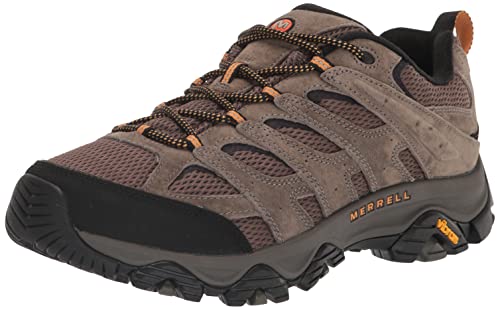
Merrell Moab 3 Hiking Shoe

Merrell Moab 3 Mid Hiking Boot

Merrell Moab 3 Mid Waterproof Hiking Boots

adidas Womens Hiking
Why These Options Stand Out
The SCARPA Mojito Wrap leans closer to an approach shoe than a traditional hiker, with a low-profile suede upper that hugs the foot instead of standing stiff around it. You feel the ground under you, which helps on scrambly terrain and uneven trail surfaces where feedback matters more than thick padding. The wrap-style lacing (where the laces thread through the upper itself) gives a snug, almost sock-like fit around the midfoot.
For day hikes, city-to-trail travel, and warm-weather walking, this shoe stays breathable and light. The trade-off shows up on long ridge walks with a heavy pack, where the minimalist cushion can leave your feet tired sooner than on something with a chunkier midsole.
Where It Excels
- Low-profile design keeps the weight down for fast day hikes
- Suede upper breaks in quickly and feels broken-in out of the box
- Approach-shoe grip handles rocky and rooty sections well
- Wrap-style lacing lets you fine-tune fit across the midfoot
- Doubles as a casual shoe for travel days and post-hike dinners
Worth Bearing In Mind
- Minimal cushioning may feel thin on full-day hikes with a loaded pack
- Suede upper needs regular cleaning to hold up against trail dust and grit
Right Fit For
Day hikers and travelers who want one shoe that handles the trail, the trailhead town, and the airport without feeling heavy on the foot.
Swap It Out When
You want more underfoot cushion for long miles, in which case the Merrell Moab 3 Hiking Shoe offers a plusher ride.
The Terrex Trailmaker 2.0 Mid brings a waterproof Gore-Tex membrane (a thin waterproof layer sandwiched into the upper that blocks water while letting vapor escape) to a mid-cut silhouette, giving you ankle coverage without the clunky feel of a full hiking boot. Underfoot, the BOOST midsole returns energy with each step, which is a real benefit on the descent when your legs are already heavy.
Compared to the SCARPA Mojito Wrap, this shoe is noticeably more protective around the ankle and far more weather-ready, but it also runs a touch warmer because of the waterproof lining. For shoulder-season hikes in the Pacific Northwest, the Alps, or anywhere rain is a real possibility, the membrane earns its place.
The Good Stuff
- Gore-Tex membrane keeps feet dry through puddles and wet grass
- BOOST midsole adds a springy, energetic feel underfoot
- Mid-cut collar supports the ankle on uneven ground
- Lugs grip well on loose dirt and gravel approaches
Points To Keep In Mind
- Waterproof construction runs warmer than a non-membrane shoe in summer heat
- Mid-cut height adds a small amount of weight versus a low-cut option
Feature Snapshot
Made For
Hikers tackling wet, muddy, or shoulder-season trails who want ankle coverage without stepping up to a full leather boot.
Look Elsewhere When
You mostly hike in dry, hot conditions, where the waterproof lining can feel too warm and a breathable low-cut like the SCARPA Mojito Wrap serves you better.
The Merrell Moab 3 sits in the sweet spot for most hikers. It’s a low-cut, all-purpose trail shoe with enough cushion for full-day hikes and a Vibram outsole (a high-traction rubber sole made by a brand known for grippy lug patterns) that handles mixed terrain confidently. The updated midsole feels softer than the Moab 2, and the insole offers more arch support than older versions.
Versus the waterproof Terrex Trailmaker above, the Moab 3 breathes better and feels cooler on warm days, but it won’t keep your socks dry in a downpour. The standard Moab is the go-to pick for hikers who want one shoe that handles dirt, rock, and easy scrambling without overthinking the choice.
Practical Advantages
- Comfortable straight out of the box with little break-in time
- Vibram outsole grips well on rock, dirt, and loose scree
- Breathable mesh upper keeps feet cooler in summer
- Roomy toe box suits wider feet and longer descents
Trade-Offs To Consider
- No waterproof membrane, so wet grass and shallow puddles will soak through
- Low-cut design offers no ankle protection on uneven terrain
- Bulkier than a minimalist trail runner on fast, smooth paths
Who Will Love This
Beginners and casual hikers who want a forgiving, comfortable shoe for varied terrain and don’t often face wet conditions.
A Better Fit Elsewhere
You regularly hike in rain or cross streams, where the Merrell Moab 3 Mid Waterproof version makes more sense for the same familiar fit.
The mid-cut Moab 3 takes everything that works about the low-cut version and adds a padded ankle collar. For hikers carrying a daypack up rocky trails, that extra support means fewer ankle rolls on loose talus and sidehill traverses. The Vibram outsole and supportive insole stay the same as the low-cut sibling.
The mid-cut adds some weight and a touch of warmth, but it’s a smart compromise for hikers who don’t need full waterproofing. You get a more planted feel on uneven ground without committing to a heavy backpacking boot.
Bright Spots
- Mid-cut collar stabilizes the ankle on sidehill and rocky terrain
- Same trusted Vibram outsole as the low-cut Moab 3
- Cushioned midsole softens impact on long descents
- Breathable construction avoids the heat trap of waterproof boots
Potential Drawbacks
- Heavier than a low-cut shoe, which adds up over a long day
- No waterproofing, so wet conditions still mean wet feet
Key Specs
Best Suited To
Hikers carrying a moderate daypack over rocky, uneven terrain who want more ankle stability without stepping up to a heavy leather boot.
Skip It When
You mostly hike in dry, warm weather on smooth trails, where the low-cut Merrell Moab 3 Hiking Shoe is lighter and more breathable.
This is the Moab 3 Mid with a waterproof membrane added in, making it the most weather-capable version of the Moab family. The mid-cut collar protects your ankles on rocky trail, and the waterproof lining keeps your socks dry through morning dew, stream crossings, and surprise showers.
Compared to the non-waterproof mid-cut, this version runs a bit warmer in summer but pays you back every time you cross a wet log or push through soaked brush. The trade-off is real, so consider your local climate before committing.
Well-Handled Touches
- Waterproof membrane keeps feet dry through wet brush and shallow water
- Mid-cut collar adds ankle support for uneven trails
- Vibram outsole grips well on muddy and rocky surfaces
- Roomy toe box prevents pressure points on long descents
Less Ideal Details
- Waterproof lining adds warmth, which can feel clammy in hot weather
- Heaviest option in this roundup, depending on your size
Who Should Grab It
Hikers in damp climates or shoulder seasons who want ankle support and waterproofing in one package without going to a full backpacking boot.
Consider Something Else When
You hike in hot, dry conditions, where the adidas Terrex Trailmaker 2.0 Mid Gore-tex breathes a little better and feels lighter on the foot.
The adidas Womens Hiking shoe rounds out the list as a lightweight, travel-friendly option for women who want a trail-ready shoe that doesn’t look or feel like a piece of technical gear. The construction leans toward a sneaker profile, which makes it easy to wear from trailhead to a coffee stop without changing shoes.
For serious mountain days with a heavy pack, this shoe gives up some support compared to the Moab 3 family. Where it shines is on day hikes, vacation trail walks, and casual outdoor use where comfort and low weight matter more than maximum protection.
The Value In It
- Lightweight build suits travel and casual day hikes
- Sneaker-like styling works off-trail too
- Comfortable for all-day wear on mixed surfaces
Honest Caveats
- Less protective than a dedicated hiker on rocky or technical terrain
- Limited information on waterproofing or outsole construction makes it a better fit for fair-weather use
Perfect Match For
Women who want a do-it-all shoe for travel days, light trail walks, and casual outdoor use rather than dedicated mountain hiking.
Where A Sibling Pick Shines
You plan to tackle longer or more technical hikes, in which case the Merrell Moab 3 Hiking Shoe gives you a more substantial outsole and better trail support.
Choosing the Right Lightweight Trekking Shoes for Your Trails
Match the Cut to the Terrain
Low-cut shoes like the SCARPA Mojito Wrap and Merrell Moab 3 weigh less and breathe better, which makes them ideal for day hikes, fast-packing, and travel. Mid-cut versions like the Moab 3 Mid or the Terrex Trailmaker 2.0 add a padded ankle collar that helps on rocky, sidehill terrain and when you’re carrying a moderate daypack. The taller the shoe, the more support you get, but you also pay in added weight and warmth. Pick based on the roughest ground you expect to cover, not the easiest.
Decide on Waterproofing Honestly
A Gore-Tex or similar waterproof membrane (a sealed inner layer that blocks external water while letting internal moisture vapor pass through) keeps your feet dry through puddles, wet grass, and stream crossings. The honest trade-off is that the same membrane traps heat, so waterproof shoes feel clammy in hot, dry weather. If most of your hiking happens in a damp climate or shoulder season, waterproofing earns its place. If you hike mostly in summer on dry trails, a non-waterproof shoe breathes far better and dries faster after a creek slip.
Prioritize Fit Over Spec Sheets
Specs matter less than fit, and a great spec sheet won’t save a shoe that pinches your toes or slips at the heel. Look for a roomy toe box if you plan to walk downhill for hours, and pay attention to midfoot lockdown, which is where most blisters start. Trying shoes on at the end of the day, when your feet are slightly swollen, gives you a more realistic sense of how they’ll feel on a long hike.
Choose Outsoles for Your Surface
Vibram rubber outsoles (high-grip lugged soles made by the Vibram brand, common on hiking footwear) have a strong reputation for traction, and the lug depth tells you a lot about the shoe’s intent. Shallow lugs work well on smooth dirt and packed trails. Deeper, more aggressive lugs bite into mud, loose scree, and soft soil. For most mixed-terrain hiking, a mid-depth lug pattern is the sweet spot.
Key Considerations Across These Picks
Mistakes Worth Dodging
A common slip-up is choosing a shoe based on the look or the brand badge rather than the fit and the conditions you actually hike in. Another trap is buying waterproof shoes for dry-summer terrain, where your feet end up sweatier than they would in a breathable non-membrane shoe. Sizing down for a “snug” feel is also worth avoiding, because your feet swell on long descents, and a tight toe box leads to black toenails faster than almost any other issue.
When Paying More Pays Off
Higher-tier models in this category tend to use better midsoles, grippier outsoles, and more refined uppers that hold up to repeated trail abuse. For hikers who log dozens of days a year, that extra cost often translates to a longer-lasting shoe and fewer hot spots. For occasional weekend hikers on well-groomed trails, a mid-range option like the Merrell Moab 3 Hiking Shoe usually covers everything you need without the premium price.
Frequently Asked Questions
Are lightweight trekking shoes durable enough for real backpacking?
For most day hikes and overnight trips with moderate loads, yes. The Moab 3 family and the Terrex Trailmaker 2.0 both handle multi-day trips with reasonable packs. For expeditions with heavy loads, you may want a stiffer, more supportive boot, but that’s a different category.
How long do lightweight trekking shoes typically last?
Trail shoe lifespan depends on terrain, miles, and care. Many hikers find that rotating two pairs and air-drying them after wet hikes extends the life noticeably compared to wearing the same pair day after day.
Can I use trail running shoes instead of trekking shoes?
Trail runners are lighter and faster, but they usually offer less underfoot protection and no ankle support. For rocky, rooty trails, trekking shoes handle the terrain more comfortably. On smooth, fast terrain, a trail runner is a fine option.
Do I need to break in lightweight trekking shoes?
Most modern trekking shoes feel comfortable right out of the box, especially the Moab 3 family. A short walk around the house or a neighborhood stroll before a big trip still helps you spot any fit issues before you’re miles from the trailhead.
Should I size up for hiking shoes?
A small amount of extra room in the toe box is wise, especially for downhill hiking where your foot slides forward. Most fit specialists suggest leaving about a thumb’s width of space beyond your longest toe when you’re standing in the shoe.
Closing Remarks
The best lightweight trekking shoes are the ones that match the trails you actually walk, not the trails you imagine. Low-cut, breathable options handle most day hikes with ease, while mid-cut and waterproof versions earn their weight when the conditions turn rough or wet. Try to fit the shoe to your real terrain, and your feet will thank you on the long descents.