Wet trail reports have a way of ruining plans. You lace up what you thought were trail-ready shoes, hit the first stream crossing, and spend the next six miles with cold, soggy socks. The right pair solves that quietly: low weight that keeps your feet fresh, a waterproof membrane that actually blocks puddles, and enough grip to feel planted on loose dirt. This roundup looks at six options built around that balance, so you can pick the one that fits how and where you actually hike.
An Overview Of The Picks
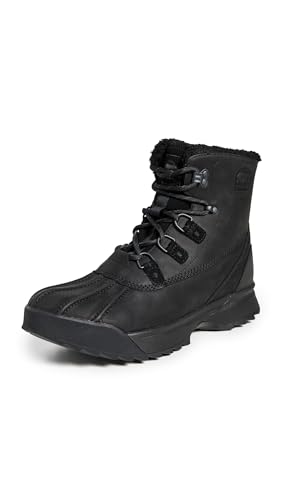
Sorel Scout 87′ Lux Waterproof

adidas Terrex Trailmaker 2.0 Mid GTX
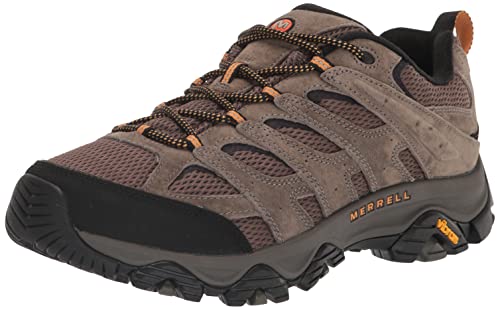
Merrell Moab 3 Hiking Shoe


Merrell Moab 3 Mid Waterproof Hiking Boot

What Each Pick Brings To The Table
The Sorel Scout 87′ Lux sits in a hybrid space: part hiker, part pac-boot. A waterproof shell wraps around a shearling-lined interior that traps warmth even when the temperature drops well below freezing, which makes it the kind of shoe that earns its place on late-autumn walks and snowy trailhead mornings. D-ring laces let you cinch the upper quickly without fumbling with frozen fingers.
It’s a heavier option than the trail runners on this list, and that shows up on long miles. For shorter, cold-condition days where warmth matters more than speed, the trade-off works in your favor.
Practical Pluses
- Shearling lining holds warmth in freezing conditions, reducing the need for thick socks.
- Waterproof outer shell keeps slush and shallow stream crossings from soaking through.
- D-ring lacing adjusts fast, which helps when you’re wearing gloves.
- Taller silhouette keeps ankle-deep snow out of the boot.
Worth Bearing In Mind
- The weight is noticeably higher than a low-cut trail shoe, so longer routes may tire your legs sooner.
- Shearling takes longer to dry out than a synthetic mesh lining if the interior ever gets wet.
Who It Suits Best
Walkers and casual hikers who head out on short, cold-weather routes and want plush warmth over a stripped-down trail feel.
Where Another Pick Suits Better
For warmer-weather or longer-distance treks, the lighter adidas Terrex Trailmaker 2.0 Mid GTX will feel far less burdensome.
The Terrex Trailmaker 2.0 Mid is aimed squarely at hikers who log serious distance. A BOOST midsole (a responsive foam cushioning layer that returns energy with each step) gives the shoe a springy, rolling feel on long ascents and descents, while the GORE-TEX membrane (a waterproof, breathable lining that blocks water while letting sweat vapor escape) handles wet grass and shallow water without turning your socks into sponges. The mid-top height adds ankle stability without the bulk of a full boot.
Compared to the Sorel above, this is a much lighter, more athletic shoe. You’ll trade plush shearling warmth for breathability and pace, which most hikers tackling varied terrain tend to appreciate.
Bright Spots
- BOOST cushioning softens impact over rocky miles, so your knees feel fresher at the trail’s end.
- GORE-TEX membrane seals out rain and stream splash while still releasing internal heat.
- Mid-top cut adds ankle support that helps on uneven ground and loose scree.
- Lightweight construction makes it a realistic choice for multi-day backpacking.
Honest Caveats
- Less insulation than the Sorel Scout, so cold-weather comfort drops off in deep winter.
- Wider forefoot than some competitors, which may matter if you have a narrow foot.
Quick Facts
Built With In Mind
Distance hikers and backpackers who need responsive cushioning and reliable waterproofing for multi-day routes.
Swap It Out When
For casual weekend walks on tame trails, the lower-cost Merrell Moab 3 Hiking Shoe offers a similar fit at a friendlier weight class.
The Moab line has been a trailhead staple for years, and version 3 refines the formula without reinventing it. A supportive insole and a softer, more cushioned midsole give the shoe a comfort-first personality, while a Vibram outsole (a high-traction rubber tread made by a well-known sole manufacturer) keeps footing secure on loose dirt and gravel. The low-cut silhouette works well for warm-weather hikes where ankle coverage isn’t a priority.
Against the adidas Terrex above, this is a less performance-tuned option. It’s friendlier out of the box, requires almost no break-in, and works for hikers who want a do-it-all shoe without specialized engineering.
What It Does Well
- Out-of-the-box comfort means short break-in and fewer hot spots on day one.
- Vibram outsole grips well on loose dirt, gravel, and wet roots.
- Cushioned midsole absorbs impact for hikers carrying daypack loads.
- Low-cut design keeps weight down for warm-weather use.
Points To Keep In Mind
- Low-cut height offers minimal ankle protection on rocky or uneven ground.
- The non-waterproof version here lets water in through the upper, so puddle days require care.
Right Fit For
Casual weekend hikers and travelers who want a versatile, comfortable shoe for moderate trails in fair-to-mixed weather.
A Better Fit Elsewhere
For wet, muddy shoulder-season hikes, the Merrell Moab 3 Mid Waterproof Hiking Boot adds the sealed construction this version skips.
Take the comfort of the Moab 3 and add a mid-height collar that wraps the ankle, and you land at the Moab 3 Mid. The added height is the headline feature: it reduces the chance of a twisted ankle on uneven terrain and keeps trail debris from sliding into the shoe. Otherwise, the cushioning, insole support, and Vibram outsole carry over from the low-cut sibling.
This is the right pick for rocky desert canyons and rooty Pacific Northwest trails, where your foot can roll sideways without warning. Compared to the Sorel up top, it runs lighter and breathes far better, though it won’t keep your feet warm in deep cold.
Strong Points
- Mid-cut collar braces the ankle over loose rocks and uneven ground.
- Same supportive insole and cushioned midsole as the low-cut Moab 3.
- Vibram outsole delivers traction on wet logs and rocky slabs.
- Versatile enough for trail work, day hikes, and light backpacking trips.
Practical Considerations
- Not waterproof in this configuration, so rain and stream crossings will get the upper wet.
- Slightly heavier than the low-cut Moab, which adds up on long route days.
Quick Facts
Whose Shelf It Belongs On
Hikers tackling rocky or rooty terrain who want more ankle security than a low-cut shoe provides but don’t need winter insulation.
Reach For A Different Pick When
For wet-weather routes where the upper needs to stay sealed, the Moab 3 Mid Waterproof version does the same job without the soggy-sock risk.
The waterproof sibling of the Moab 3 Mid brings a sealed membrane into the same proven silhouette. You get the ankle-supporting mid-cut collar, the Vibram outsole, and the cushioned midsole, plus a lining that keeps out the rain, the morning dew, and the puddles that form at the bottom of every trailhead parking lot. It’s the version most hikers reach for when shoulder-season trails turn to mud.
Against the non-waterproof Mid above, this model adds weather protection at the cost of slightly less breathability. For wet climates like the Pacific Northwest or the Appalachian mountains in spring, that trade is usually worth it.
What Works In Its Favor
- Waterproof membrane keeps feet dry through shallow stream crossings and rain.
- Mid-cut height adds ankle stability on uneven ground.
- Vibram outsole grips muddy and rocky surfaces confidently.
- Cushioned midsole handles daypack loads without feeling punishing.
Things To Weigh
- The waterproof membrane reduces breathability, so warm-weather comfort drops slightly.
- Heavier than a low-cut trail runner for routes where speed matters.
Best Suited To
Hikers in wet regions who want an all-season boot that handles rain, mud, and ankle-supporting terrain without specialized pricing.
Not Your Match When
For dry-climate desert hiking, the non-waterproof Merrell Moab 3 Mid lets your feet breathe better on hot days.
The adidas Womens Hiking rounds out the list as an accessible entry point for newer trail users. It’s built around a forgiving fit that doesn’t demand a precise sizing gamble, with a low-cut profile that suits moderate trails rather than technical routes. The trail-focused outsole pattern gives enough grip for fire roads and well-maintained paths, which is where most beginners spend their first hiking seasons.
Compared to the heavier-duty picks elsewhere on this list, this one trades long-distance refinement for everyday approachability. For a first pair, that balance often makes more sense than maximum performance.
Good Reasons To Consider
- Forgiving fit lowers the learning curve for first-time trail hikers.
- Lower price point makes it easier to step into hiking without a big commitment.
- Trail-ready outsole handles fire roads and maintained paths with ease.
Where It May Fall Short
- Less ankle support than the mid-cut Moab options on uneven terrain.
- Less refined cushioning than the BOOST-equipped Terrex Trailmaker 2.0 for long-distance comfort.
Perfect Match For
New trail hikers who want a comfortable, approachable first pair for moderate, well-marked routes.
Look Elsewhere When
For more ambitious multi-day hikes, the adidas Terrex Trailmaker 2.0 Mid GTX offers the cushioning and support to keep you moving.
Factors That Matter When Picking Waterproof Trail Shoes
Weight And Pack Feel
Lighter shoes reduce leg fatigue over distance, but they often trade away ankle support and insulation. For weekend day hikes under five miles, a low-cut option like the Merrell Moab 3 Hiking Shoe feels nimble and quick. On longer routes or with a heavier pack, the slight extra weight of a mid-cut boot can actually feel steadier because it reduces wobble on uneven ground. Pick by distance, not by the smallest gram count on the spec sheet.
Waterproofing Versus Breathability
A waterproof membrane keeps external water out but also slows internal sweat vapor from escaping. In wet climates or shoulder seasons, that trade is generally worth it. In hot, dry conditions, a non-waterproof shoe breathes better and dries faster if you do get wet. Matching the membrane to your climate matters more than picking the most advanced version on paper.
Outsole Grip And Terrain
Traction comes from the rubber compound and lug pattern (the shape and depth of the tread blocks on the bottom of the shoe). Vibram outsoles have earned a reputation for dependable grip on varied terrain, but lug depth matters too. Shallow lugs handle smooth trail and pavement, while deeper lugs bite into mud and loose scree. Match the tread to your most common trail type rather than the worst-case scenario you might encounter once a year.
Fit And Break-In
The most overlooked feature is the one that decides whether the shoe gets worn or sits in the closet. Out-of-the-box comfort matters because hot spots and pressure points that show up in mile two rarely fade by mile ten. A roomy toe box lets feet swell on long descents, while a secure heel prevents blistering. Trying shoes on with the socks you actually hike in makes a bigger difference than people expect.
Smart Considerations Before You Buy
Slip-Ups Worth Dodging
Choosing by category name alone is a common pitfall. A “waterproof” label doesn’t tell you whether the membrane is breathable, how deep the lugs are, or how the shoe fits your foot. Picking the heaviest, most rugged-looking boot for tame trails adds weight without benefit, while picking the lightest trail runner for rocky scrambles leaves ankles unsupported. Match the shoe to the trail you actually walk, not the trail you imagine.
Where The Extra Money Goes
Higher-tier hiking shoes generally invest in better cushioning compounds, more durable upper materials, and more refined waterproof membranes. The boost shows up over time as fewer wear points, less breakdown at flex zones, and more consistent comfort over years of use. For hikers who get out weekly, that durability and cushioning refinement usually justifies the step up. For occasional weekend use, a mid-tier option delivers most of the practical benefit at a friendlier cost.
Frequently Asked Questions
How do waterproof hiking shoes actually work?
Most use a thin internal membrane, like GORE-TEX, that blocks liquid water from passing through while still allowing water vapor from sweat to escape.
Are waterproof hiking shoes good for hot weather?
They’re workable, but the membrane reduces breathability. Non-waterproof shoes tend to feel cooler and dry faster in dry, hot conditions.
How long do waterproof membranes typically last?
Most maintain performance for several years of regular use, though heavy abrasion, improper drying, and prolonged storage in damp conditions can shorten membrane life.
Can waterproof shoes still get wet inside?
Yes, water can enter over the top collar during deep crossings or puddle splashes higher than the membrane line. The membrane helps with rain and shallow water, not full submersion.
Should I size up for hiking shoes?
A small amount of extra room in the toe box helps on downhills and when feet swell, but too much space causes heel slippage and blisters. Try them on with your hiking socks for the best read.
Final Verdict
The right pair depends on where your boots usually take you. Weekend trail hikers will likely be happiest with the Merrell Moab 3 for its comfort and grip, while distance trekkers benefit from the Terrex Trailmaker 2.0’s cushioning. For wet climates and shoulder-season routes, the waterproof Moab Mid adds the dryness that matters most. Pick the pair that matches your most common trail, and your feet will thank you on every return trip.