A hiking shoe earns its keep long before the trailhead photo. If you spend weekends on rocky paths or long days on uneven ground, the right pair fades into the background while the wrong pair makes every mile a negotiation. Good-looking hiking shoes now come in shapes that move from trail to tavern without a wardrobe change, and that matters if you want gear that pulls double duty without looking like a clunky hiking boot. The six picks below cover that balance: durable enough for real terrain, finished well enough for everyday wear.
How The Shortlist Stacks Up

SCARPA Mojito Wrap Walking Shoes

adidas Men’s Terrex Free Hiking Shoe
Timberland Men’s Redwood Falls
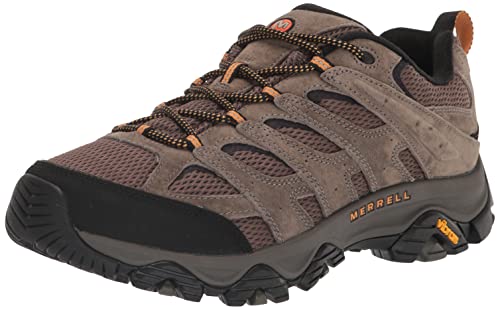
Merrell Men’s Moab 3 Hiking Shoe

Merrell Moab 3 Mid Hiking Boot

Merrell Moab 3 Mid Waterproof Hiking Boots
Inside Each Recommended Option
Pulled straight from a café and onto a crag, the SCARPA Mojito Wrap Walking Shoes sit in that narrow space between casual sneaker and serious hiking shoe. The wraparound lacing (a single continuous lace that crosses over the instep) pulls the upper snug without pressure points, and the low-profile silhouette makes them look more like a lifestyle shoe than a trail tool.
You notice the suede and canvas upper first because it does not scream “outdoor.” Underneath, the Vibram-style outsole (a high-grip rubber compound designed for varied terrain) gives the bite you need on packed dirt or loose gravel. If you want a hiking shoe that travels well from trailhead parking to dinner, this fits that brief.
Good Reasons To Consider
- Suede and fabric upper looks at home in everyday settings
- Wraparound lacing lets you tune fit across the forefoot
- Low-cut cuff keeps weight down for shorter routes
- Suede surface tends to show scuffs, but most brush off easily
Things To Consider
- The suede upper will soak through in heavy rain
- Low profile means less ankle protection on rocky descents
Made For
Style-conscious day hikers tackling groomed trails and casual weekend walks.
Look Elsewhere When
The Merrell Moab 3 Hiking Shoe makes more sense for multi-day trips where the cushioning matters more than the silhouette.
The adidas Terrex Free Hiking Shoe leans into a “fast and light” approach that you can feel the moment you step into them. The Continental rubber outsole (a high-traction compound co-developed for vehicle tires, adapted here for wet rock) gives grippy footing, while the breathable mesh upper keeps airflow moving on warm climbs.
Where the Mojito leans lifestyle, this shoe leans performance. You might find it stiffer than expected at first, but that stiffness tends to break in across the first few miles. If your hikes involve stream crossings and sun-baked switchbacks, the quick-drying mesh makes a real difference.
A Few Strong Suits
- Continental rubber compound grips wet rock reliably
- Breathable mesh dries quickly after creek crossings
- Reinforced toe cap protects against root strikes
- Lighter build helps on longer mileage days
Trade Offs
- Mesh upper lets water in freely, so wet feet are a given
- Break-in period can feel stiff for the first handful of hikes
Feature Snapshot
Right Fit For
Speed-focused hikers covering long mileage on well-maintained or technical terrain.
Swap It Out When
The Timberland Redwood Falls covers wet-weather hikers who need more waterproof structure than this mesh shoe offers.
The Timberland Redwood Falls lands at the heavier end of this list, and that weight shows up as confidence underfoot. A waterproof bootie sits inside the leather upper (a sealed inner membrane that blocks water while letting vapor escape), so puddles and wet grass stop being problems, and the OrthoLite footbed (a cushioned insole known for long-lasting rebound) keeps the comfort going into late afternoon.
The L7 multi-directional lug pattern (a tread design with angled bars that grip during lateral movement) helps when you are crossing a slanted slope or stepping sideways over a boulder. Compared with the Terrex Free, this shoe trades breathability for weather sealing, which is a fair swap if your calendar has more shoulder-season hikes than summer outings.
Useful Strengths
- Waterproof membrane keeps feet dry through wet grass and shallow crossings
- OrthoLite footbed cushions long mileage without flattening out
- Multi-directional lugs bite on slanted terrain
- Leather upper handles abrasion better than mesh builds
Points To Note
- Heavier than the Terrex Free or Mojito, which adds up over a long day
- Leather needs a bit of conditioning to stay supple over the seasons
Whose Shelf It Belongs On
Wet-weather hikers and backpackers who want a single boot for cool and damp conditions.
A Better Fit Elsewhere
The Merrell Moab 3 Hiking Shoe is the lighter alternative when your hikes stay dry and the miles add up.
The Merrell Moab line has built a quiet reputation for fitting well on the very first hike, no break-in saga required. Version 3 keeps that promise with a softer midsole (the foam layer between the foot and outsole that absorbs shock) and a grippier Vibram outsole, which adds up to a shoe that feels planted without feeling stiff.
Where the SCARPA Mojito leans toward style and the Timberland leans toward weatherproofing, the Moab 3 sits in the comfort-first middle. You notice it the moment you lace up: the heel cradles without gripping, and the toe box has enough room for a wider foot. For weekend hikers logging three to six miles at a stretch, the comfort-to-weight ratio here is hard to beat.
A Favorable Mix
- Comfortable straight out of the box with no real break-in
- Roomy toe box suits wider feet and longer descents
- Vibram outsole grips loose and packed surfaces alike
- Softer midsole reduces fatigue across full-day walks
Some Limits To Know
- Not waterproof, so wet crossings leave socks damp
- Low-cut collar offers minimal ankle support on uneven ground
Feature Rundown
Best Suited To
Casual weekend hikers who want a single pair that handles trails, travel, and errands comfortably.
Not Your Match When
Pick the Merrell Moab 3 Mid instead if you carry a heavy pack or hike rocky, ankle-twisting trails.
The mid-cut Moab 3 takes everything that worked in the low version and adds an ankle collar that wraps above the ankle bone. That extra coverage matters when your trail turns rocky, your pack weighs real pounds, or your ankles have a history of complaining after mile five.
The fit stays roomy enough for a thick hiking sock, and the break-in time is shorter than most mid-cut boots. Compared with the Timberland Redwood Falls, this boot skips the waterproof membrane, so it runs lighter and breathes better in warm weather. You give up some weather sealing in exchange for a cooler foot on summer climbs.
Practical Advantages
- Mid-cut collar adds stability without bulky weight
- Roomy forefoot accommodates thicker socks
- Vibram outsole carries over from the low version
- Shorter break-in than most mid-cut hiking boots
Small Caveats
- Non-waterproof construction means wet feet in heavy rain
- Heavier than the low Moab for casual short hikes
Who Should Grab It
Hikers tackling rocky or uneven trails who want ankle support without committing to a full backpacking boot.
Consider Something Else When
The Merrell Moab 3 Mid Waterproof is the right call when stream crossings and rain are part of your usual route.
Adding a waterproof membrane to the mid-cut Moab turns this into the most trail-ready option on the list. The ankle collar wraps securely above the bone, and the sealed bootie inside keeps creek water, morning dew, and surprise rain from soaking through. On a damp morning hike, you notice the difference within the first ten minutes.
The Vibram outsole stays grippy on slick rock, and the cushioned midsole softens long descents. Compared with the Timberland Redwood Falls, this boot runs a bit lighter and a bit more breathable, which helps on warmer wet days. You trade a touch of rugged leather feel for a more nimble fit.
The Helpful Details
- Waterproof bootie keeps feet dry through puddles and wet brush
- Mid-cut collar adds stability for uneven, rocky terrain
- Vibram outsole grips wet rock and muddy slopes
- Cushioned midsole softens long descents
Honest Caveats
- Heavier than the non-waterproof Moab Mid for casual use
- Waterproof membrane adds warmth in hot summer weather
- Membrane can lose effectiveness once the upper is deeply scuffed
Perfect Match For
Hikers facing unpredictable weather, muddy trails, and stream crossings throughout the year.
Reach For A Different Pick When
The SCARPA Mojito Wrap is a better call for warm, dry day hikes where style matters as much as grip.
What To Weigh Before Choosing Looking Hiking Shoes
Match The Shoe To Your Trail
Start with the ground you actually hike on. Groomed dirt paths, fire roads, and lakeside loops call for low-cut shoes like the Merrell Moab 3 or the SCARPA Mojito Wrap, since the weight savings show up over miles. Rocky ridgelines and root-strewn forest trails reward a mid-cut collar for ankle stability, which is where the Moab 3 Mid earns its keep. If your trail list includes frequent stream crossings or shoulder-season rain, a waterproof bootie inside the shoe keeps socks dry for hours rather than minutes.
Construction And Materials Matter
Look closely at the upper material. Mesh breathes well and dries fast but lets water pour in during storms. Suede and split-leather offer better abrasion resistance and a more finished look, though they need occasional conditioning to stay supple. A Vibram or Continental rubber outsole (high-traction compounds designed for grip on varied surfaces) is worth prioritizing, especially if your routes include wet rock or loose scree.
Fit And Comfort Over Everything
A hiking shoe that pinches your toes or slides at the heel will ruin a long day faster than rough terrain. Try shoes on with the socks you plan to wear, and leave a thumb’s width at the front of the toe box. Roomy footbeds suit wider feet, while narrower profiles keep responsive footing on technical ground. A cushioned midsole reduces foot fatigue, and an EVA midsole (a lightweight foam that absorbs impact) is a smart priority if you log more than three miles per outing.
Weight Versus Support Trade-Off
Lighter shoes win on casual day hikes, but heavier mid-cut boots earn their weight on rough terrain where ankle support prevents rolled joints. Decide based on how much weight you carry and how uneven the footing tends to be. Most hikers find a mid-weight mid-cut boot like the Moab 3 Mid covers both cases well.
Key Considerations Across These Picks
Pitfalls Shoppers Hit
The biggest mistake is choosing a shoe purely on looks without checking the traction compound or waterproofing. A suede upper that looks great at a coffee shop may soak through within minutes on a damp trail. Another common trap is buying a half-size too small because the hiking shoe felt snug in the store. Feet swell on long climbs, and a tight toe box turns into blisters by mile three. Always try them on with the socks you plan to wear, and leave enough room for your toes to splay on descents.
What The Higher Tier Buys
Premium hiking shoes typically invest in better rubber compounds for the outsole, plus a sealed waterproof membrane that lasts through years of use rather than seasons. You also get a more anatomical last (the foot-shaped mold the shoe is built around), which translates to a snugger heel pocket and a roomier toe box at the same time. For most weekend hikers, mid-tier options cover daily use well, and the upgrade to premium pays off mainly if you hike often, carry weight, or spend long days on technical terrain.
Frequently Asked Questions
How should looking hiking shoes fit?
Your toes should have a thumb’s width of space at the front when laced, and your heel should stay locked without slipping. Tight lacing across the forefoot is fine, but never let the toe box squeeze your toes on descents.
Are suede hiking shoes durable enough for real trails?
Yes, as long as the suede is paired with a proper rubber outsole and reinforced stitching at stress points. Suede handles abrasion better than mesh, though it does soak through in heavy rain unless treated.
Do I need waterproof hiking shoes if I hike in summer?
Most summer trails stay dry enough for breathable mesh shoes, and waterproof membranes add warmth that becomes uncomfortable in heat. Waterproofing pays off mainly for shoulder-season hikes, wet climates, or routes with frequent stream crossings.
How long should a pair of hiking shoes last?
Most mid-tier hiking shoes deliver around 500 to 800 trail miles before the midsole and outsole start to lose rebound and grip. Heavy backpackers on rough terrain see the lower end, while lighter day hikers often push past it.
Can I use hiking shoes for everyday wear?
Low-cut models like the Merrell Moab 3 and SCARPA Mojito Wrap translate well to casual settings because of their lifestyle-friendly silhouettes. Mid-cut boots look more technical, so they tend to feel out of place off the trail.
Wrap Up
The best looking hiking shoes for 2026 earn their style honestly, with materials, traction, and construction that hold up to real miles. Match the build to your usual terrain, pay attention to fit with the socks you actually wear, and lean toward waterproofing only when weather or stream crossings demand it. Your feet will tell you quickly which pair belongs on the trail.