A running shoe that turns heads at the coffee shop but falls apart after a month isn’t much of a shoe. The picks below earn their style points through materials, colorways, and silhouette choices that hold up to actual miles. They also bring the structural ingredients runners need: stable platforms, breathable uppers, and foam compounds built for repeated impact. This list blends ASICS and Saucony models that handle gym sessions, daily commutes, and weekend long runs without forcing you to choose between looking sharp and feeling supported.
A Side-By-Side Look
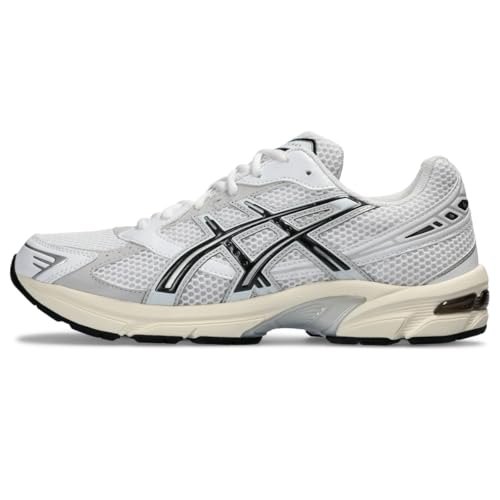
ASICS Men’s GEL-1130 Sportstyle Shoes
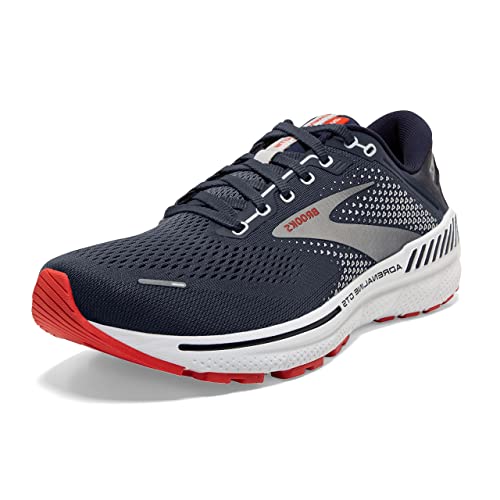
Brooks Men’s Adrenaline GTS 22 Supportive Running Shoe
ASICS Men’s Gel-Excite 11 Running Shoes

ASICS Men’s Gel-Contend 9 Running Shoes

Saucony Men’s Triumph 22 Sneaker

Saucony Mens Cohesion 18
What Each Pick Brings To The Table
The GEL-1130 borrows its silhouette from ASICS’ late-2000s stability archives, then softens it with suede paneling for a more lifestyle-ready finish. It sits in that sweet spot where a shoe reads as athletic without looking like a gym-only tool. For a guy pairing joggers with a henley on Saturday morning, that mix matters more than a carbon plate.
Compared to the Brooks Adrenaline GTS 22 below, this one leans casual rather than corrective. The construction nods to the GEL-KAYANO 14, which gives it a familiar ASICS heel shape and a stable platform underfoot. You get GEL cushioning in the rearfoot, which softens heel strike on pavement and concrete sidewalks.
What Stands Out
- Suede and mesh upper creates a premium texture that pairs with denim or technical pants.
- Heritage-inspired silhouette stands out from current maximalist trends, appealing to runners tired of chunky midsoles.
- Rearfoot GEL cushioning absorbs impact during heel strikes on hard surfaces.
- Stable base suits casual runners who want some guidance without aggressive motion-control posts.
- Available in several colorways that read as fashion picks rather than technical gear.
Worth Noting
- Suede panels require more care than synthetic mesh and show scuffs over time.
- Not built as a high-mileage trainer, so heavy weekly mileage may wear the outsole faster than performance-focused models.
Made For
Style-conscious runners who log moderate miles and want a shoe that handles post-run errands without looking out of place.
Look Elsewhere When
Runners who need real overpronation correction should consider the Brooks Men’s Adrenaline GTS 22 instead.
The Adrenaline GTS 22 is a stability shoe that earns its following through dependable guidance rather than flashy design. The GTS designation, which stands for “Go-To Support,” refers to Brooks’ holistic support system that helps control excess inward foot rolling, known as overpronation. For runners whose arches collapse inward or whose knees track toward the midline on longer runs, that built-in correction reduces fatigue and joint stress.
Where the ASICS GEL-1130 above leans retro and lifestyle, this Brooks sits firmly in the performance lane. It pairs structured cushioning with a balanced midsole geometry that holds up through half-marathon training blocks. Mesh panels on the upper manage heat during warm-weather runs, and the platform feels planted rather than squishy.
Well-Handled Touches
- Built-in support system guides overpronators through longer training cycles without custom orthotics.
- Structured midsole geometry keeps the foot aligned mile after mile, reducing knee and hip fatigue.
- Engineered mesh upper balances breathability with a secure midfoot wrap.
- Durable outsole rubber resists wear on asphalt and treadmill belts.
Trade Offs
- Heavier and more clinical in look than retro-inspired picks like the GEL-1130.
- Stability features may feel intrusive for neutral runners who prefer a softer, unstructured ride.
- Price sits higher than entry-level trainers, which may not suit casual joggers.
Right Fit For
Runners with mild to moderate overpronation who log consistent weekly mileage and want a shoe engineered for joint-friendly training.
Reach For A Different Pick When
Neutral runners chasing a plush, soft ride will likely prefer the Saucony Men’s Triumph 22 reviewed below.
The Gel-Excite 11 strips a running shoe down to its essential job: cushion ground impact without weighing you down. The engineered jacquard mesh upper, a textile woven in patterns that vary stretch and ventilation zone by zone, wraps the foot with airflow where you heat up most. Polyester lines the interior and insole, keeping moisture manageable during humid summer runs.
This sits in the casual-to-serious runner sweet spot, the kind of shoe that handles a Tuesday treadmill session and a Saturday park jog with equal ease. Compared to the GEL-1130 reviewed earlier, it skips the suede styling cues in favor of a lighter, more breathable build. You trade some fashion-forward texture for ventilation and a lower weight on foot.
Benefits That Matter
- Lightweight construction reduces leg fatigue on shorter recovery runs.
- Jacquard mesh upper promotes airflow in warm conditions.
- Lace-up closure locks the midfoot in place without pressure points.
- Polyester lining wicks moisture during longer sessions.
- Versatile enough for gym workouts, casual walking, and easy runs alike.
Points To Keep In Mind
- Lacks the structured support features found in stability-focused models like the Brooks Adrenaline GTS 22.
- Cushioning prioritizes softness over responsiveness, which distance runners chasing tempo paces may notice.
Who Will Love This
Casual runners, gym-goers, and walkers who want one shoe that handles light jogging, errands, and warm-weather wear without overheating.
Consider Something Else When
Runners needing real motion control for overpronation should look at the Brooks Adrenaline GTS 22 instead.
The Gel-Contend 9 lands in the entry-level tier where ASICS packs in core technologies without padding the price. The polyester upper and lining keep the build lightweight, while the Ortholite sockliner provides step-in comfort that helps new runners avoid the blister-prone break-in period. AMPLIFOAM cushioning in the midsole adds a layer of softness that holds up under daily road mileage.
Rearfoot GEL technology absorbs impact at heel strike, and the Trusstic System, a structural shank under the midfoot, adds stability without bulk. For a first-time road runner building a base, those ingredients deliver real value. The Gel-Excite 11 above offers a slightly lighter feel, but the Contend 9 brings more guidance features for a comparable investment.
A Few Strong Suits
- Ortholite sockliner cushions the foot from the first wear, easing break-in.
- AMPLIFOAM midsole balances softness and durability for daily road use.
- Trusstic System reinforces midfoot integrity without adding visible bulk.
- Rearfoot GEL cushioning softens heel impact on pavement.
Honest Caveats
- Polyester upper is less breathable than engineered mesh found in higher-tier picks.
- Neutral cushioning may feel flat to runners used to plusher midsoles like the Saucony Triumph 22.
The Right Fit
First-time road runners and budget-minded shoppers who want proven ASICS technology without paying for premium-tier materials.
Swap It Out When
Runners craving a softer, more cushioned daily trainer should step up to the Saucony Men’s Triumph 22.
The Triumph 22 is Saucony’s flagship neutral daily trainer, built around a PWRRUN PB super foam midsole that delivers plush cushioning without the dead feel of older EVA foams. This super foam is lighter and more responsive than standard EVA, meaning each stride returns more energy rather than simply compressing. The geometry has been tuned with a broader platform and a rocker shape that encourages smooth heel-to-toe transitions.
The full-length XT-900 rubber outsole, a carbon rubber compound known for abrasion resistance, holds up against high-mileage training cycles. For a runner logging 30 to 50 miles per week, that durability translates into longer-lasting tread and fewer mid-cycle replacements. Compared to the Gel-Excite 11 and Gel-Contend 9 from ASICS, the Triumph 22 delivers noticeably more cushion depth and a more refined underfoot feel.
Real Benefits
- PWRRUN PB super foam provides plush cushioning with energy return for daily training.
- Broader platform geometry creates a stable, balanced landing for neutral strikers.
- XT-900 rubber outsole resists wear across high-mileage training blocks.
- Updated rocker profile smooths heel-to-toe transitions during easy and tempo runs alike.
Potential Drawbacks
- Premium construction carries a higher cost than entry-level picks like the Gel-Contend 9.
- Plush cushioning may feel too soft for runners who prefer a firmer, more responsive platform.
Best Suited To
Neutral runners and high-mileage trainers who want a soft, protective daily shoe that handles long runs and recovery days with equal comfort.
Where A Sibling Pick Shines
Budget-focused shoppers will find the Saucony Mens Cohesion 18 delivers similar neutral cushioning at a friendlier cost.
The Cohesion 18 is Saucony’s entry-level neutral trainer, designed to deliver all-day comfort without the price tag of a flagship like the Triumph 22. VersaRun cushioning runs through the midsole, absorbing impact during casual jogs and walking commutes. The fit prioritizes a secure, locked-down feel through the midfoot so the shoe moves with you rather than sliding around inside.
For someone just starting a running routine or buying a gym shoe that doubles as a walking shoe, the Cohesion 18 covers the essentials. It lacks the super foam midsole and rocker geometry of the Triumph 22, so the ride feels more grounded and traditional. That older-school feel may actually appeal to runners who find super foam too bouncy or unstable.
Key Advantages
- VersaRun cushioning softens impact at a price point that suits casual budgets.
- Secure midfoot fit holds the foot in place during varied daily activities.
- Neutral platform suits runners without specific gait corrections.
- Works as both a running shoe and an everyday walking shoe.
Some Limits To Know
- Cushioning lacks the energy return of super foam midsoles found in the Saucony Triumph 22.
- Outsole durability may not match premium trainers over long-term heavy use.
- Limited support features for runners who overpronate.
Perfect Match For
Casual joggers, beginners, and budget-focused shoppers who want a comfortable neutral shoe for light running and daily wear.
Skip It When
Runners needing overpronation support are better served by the Brooks Men’s Adrenaline GTS 22 reviewed earlier.
What To Weigh Before Choosing Your Next Pair
Cushioning Type and Stack Height
Cushioning defines how a shoe feels during repeated impact. Traditional EVA foams compress and absorb, while super foam compounds like PWRRUN PB compress and return energy. Stack height, the measurement of midsole material between foot and ground, changes the ride from grounded and stable to soft and protective. High-mileage runners usually benefit from higher stack heights, while runners who prioritize ground feel prefer lower profiles.
Support Level and Gait Fit
Stability shoes like the Brooks Adrenaline GTS 22 guide feet that roll inward, while neutral shoes assume a balanced stride. Trying to identify your gait through a local run shop or gait analysis helps match the right category. Wearing a stability shoe as a neutral runner often feels intrusive, while wearing a neutral shoe as an overpronator can accelerate joint fatigue over time.
Upper Materials and Breathability
Engineered mesh and jacquard textiles ventilate well in warm conditions, while suede and synthetic overlays trade airflow for a premium look. Climate and use case matter: a shoe that breathes poorly during summer runs leads to hotspots and blisters, while a structured upper handles cool-weather training and casual wear more comfortably.
Outsole Rubber and Durability
Higher-grade carbon rubbers like Saucony’s XT-900 extend the life of trainers logging 30-plus miles per week. Softer blown rubber compounds feel cushioned underfoot but wear faster. Matching outsole durability to mileage keeps replacement cycles reasonable.
Smart Buying Angles Worth Knowing
Pitfalls Shoppers Hit
Many runners pick shoes based on colorway alone, then wonder why their knees ache after a month. Gait matters more than graphics. Skipping a quick gait check, whether at a specialty store or through a video analysis, leads to mismatched support categories. Another common trap is buying based on a brand’s reputation rather than the specific model’s fit. ASICS and Saucony each offer multiple tiers with different foams, lasts, and geometries. One ASICS model may feel nothing like another on foot.
Where The Extra Money Goes
Premium trainers like the Saucony Triumph 22 cost more because the midsole foam itself is more expensive to produce. Super foam compounds require advanced manufacturing and deliver measurable energy return. Broader platforms, engineered mesh uppers, and durable carbon rubber outsoles each add cost. For runners logging heavy weekly mileage, those upgrades translate into fewer injuries and longer-lasting shoes, justifying the higher upfront spend.
Frequently Asked Questions
How often should running shoes be replaced?
Most road running shoes last between 300 and 500 miles, depending on runner weight, gait, and surface. Heavier runners and those landing heavily on pavement tend to hit the lower end, while lighter runners on softer surfaces may push toward the upper range.
Do stability shoes help knee pain?
Stability shoes can reduce knee pain for runners whose feet roll inward excessively. The built-in support helps align the ankle and knee during footstrike, which may reduce strain on the IT band and patellofemoral joint. Runners with persistent pain should consult a physical therapist alongside shoe changes.
Are retro-style running shoes good for actual running?
Shoes like the ASICS GEL-1130 handle moderate running mileage but prioritize style alongside function. They suit casual joggers and lifestyle wear but lack the structured support and durable outsoles of dedicated trainers for daily high-mileage use.
What’s the difference between neutral and stability shoes?
Neutral shoes assume a balanced footstrike and offer cushioning without corrective features. Stability shoes add support elements to guide feet that roll inward, known as overpronation. Choosing between them depends on your gait pattern.
Can one pair of shoes work for running and the gym?
Many running shoes double as gym shoes for lighter training like walking, cycling, or bodyweight work. For heavy lifting or sports involving lateral movement, cross-training options with flatter soles and lateral stability tend to perform better.
Final Verdict
The right shoe balances how you run, where you run, and what you wear between sessions. Style-focused runners get the most from the ASICS GEL-1130, while overpronators benefit most from the Brooks Adrenaline GTS 22. Budget shoppers land well with the Saucony Cohesion 18, and high-mileage neutral runners find their match in the Triumph 22. Pick the one that fits your gait and your goals, then let the miles do the rest.