A lower heel-to-toe offset changes how a running shoe loads your foot. It shifts more work to the midfoot and forefoot, which can mean a more natural stride and less ramped-up heel cushioning under each landing. Runners easing into barefoot-style form, those recovering from Achilles niggles, and anyone who simply wants a flatter platform for tempo work tend to gravitate toward low heel drop running shoes. The seven picks below cover road runs, gym sessions, and everything in between, so you can match the offset to your weekly mileage and your comfort goals.
A Fast Comparison Of The Options

ASICS Men’s Noosa TRI 15 Running Shoes

Altra Footwear Escalante 2.5

Saucony Men’s Redeemer ISO 2 (Grey Black)

Brooks Men’s Adrenaline GTS 23 Sneaker
NOBULL Men’s Outwork Shoe

NOBULL Men’s Outwork Edge Shoe

NOBULL Women’s Allday 365 (Ripstop) Shoe
More Details On Our Top Picks
The Noosa TRI 15 is built around transitions, the kind of fast shoe changes that triathletes handle at T2. Quick-pull laces and a breathable upper mean you can slip it on and get moving without fuss. Runners who split time between swim-bike-run weekends and regular weekday miles tend to find this style practical.
For low heel drop running shoes specifically, the Noosa TRI platform sits on the flatter end of the spectrum. Expect a more planted midfoot feel under fatigue. The bright, playful colorways double as a visibility cue on early-morning training rides and runs.
Where It Helps
- Quick-pull lacing system speeds up race-day transitions.
- Breathable mesh upper keeps feet cooler on hot race mornings.
- Low offset encourages midfoot loading during tired miles.
- Lightweight feel reduces leg lift on repeat brick workouts.
Things To Consider
- Not the most cushioned option for runners used to plush trainers.
- Race-oriented build may feel narrow for wider feet.
- Bold colorways are an acquired taste outside the multisport crowd.
Who It Suits Best
Multisport athletes and triathletes who need a low-drop shoe for race day and quick brick sessions.
Where Another Pick Suits Better
The Altra Footwear Escalante 2.5 is a better fit for runners who want more cushioning for everyday training miles.
The Escalante 2.5 is one of the lightest entries on this list at roughly 6.9 oz per shoe, so it disappears on the foot during easy road miles. Altra’s signature zero-drop geometry (meaning the heel and forefoot sit at the same height off the ground) places the foot in a flat, neutral stance. Runners who like a barefoot-leaning profile without going full minimalist will recognize the feel right away.
Compared to the ASICS Noosa TRI 15 reviewed above, this shoe skips the triathlon extras in favor of road-friendly cushioning. The roomy toe box is a defining trait, giving toes space to splay on longer efforts. For most easy-mile runners, the weight and shape are the headline.
What Stands Out
- Featherlight build reduces fatigue on long easy runs.
- Zero-drop platform encourages a natural midfoot strike.
- Roomy toe box accommodates wider feet comfortably.
- Flexible knit upper wraps the foot without pinching.
Worth Noting
- Minimal structure may feel unstable for heel strikers new to low drop.
- Lightweight foam compresses faster than denser trainers.
- Not built for trail surfaces or rugged cross-training.
Quick Facts
Right Fit For
Daily easy-mile runners who prefer a minimalist, zero-drop road shoe with a wide toe box.
Look Elsewhere When
The Brooks Men’s Adrenaline GTS 23 is a stronger pick for runners who want structured support on every run.
The Redeemer ISO 2 sits in Saucony’s stability lane, blending cushioning with a structured ride. Center Path Technology (Saucony’s system of raised sidewalls and a defined centerline that keeps the foot centered over the platform) keeps the foot tracking straight through each step. Runners who overpronate but still want a flatter offset will find the geometry familiar, with just enough support to guide the foot without feeling corrective.
Compared to the Altra Escalante 2.5, this Saucony offers more structure and a more traditional road trainer ride. The grey-and-black colorway also makes it a versatile everyday option. For overpronators transitioning into low-drop territory, it bridges the gap nicely.
What Helps Most
- Center Path Technology stabilizes the foot on each stride.
- Cushioned PWRRUN foam softens impact during long runs.
- Low offset supports a more natural footstrike.
- Neutral colorway pairs easily with training gear.
Trade Offs
- Heavier than minimalist road shoes on this list.
- Stability features may feel intrusive for neutral runners.
Made For
Runners who overpronate and want a cushioned, low-drop stability shoe for daily mileage.
Consider Something Else When
The ASICS Men’s Noosa TRI 15 is a more nimble choice for athletes focused on race-day speed.
The Adrenaline GTS 23 is Brooks’ flagship stability trainer, refined over more than twenty versions. It aims for a balance between support and softness, the kind of ride that feels cushioned but not sluggish. Long-time Brooks loyalists tend to recognize the smooth heel-to-toe transition right away.
Compared to the Saucony Redeemer ISO 2 above, the Adrenaline GTS 23 leans more plush and forgiving underfoot. For runners who log steady weekly mileage and want a familiar, dependable daily trainer with structured support, it remains a steady anchor in the rotation. Depending on your stride, you may find the cushioning softer than expected on shorter runs.
Strengths Worth Knowing
- Time-tested stability system supports overpronation smoothly.
- Plush cushioning softens high-mileage training weeks.
- Smoother ride than earlier Adrenaline versions.
- Versatile enough for easy runs, long runs, and recovery days.
Points To Note
- Heavier than minimalist road options on this list.
- Soft ride can feel vague for runners who prefer a firm response.
Feature Snapshot
Best Suited To
Regular mileage runners who want a supportive, cushioned daily trainer with a refined ride.
Skip It When
The NOBULL Men’s Outwork Shoe fits better for runners who split mileage between roads and gym workouts.
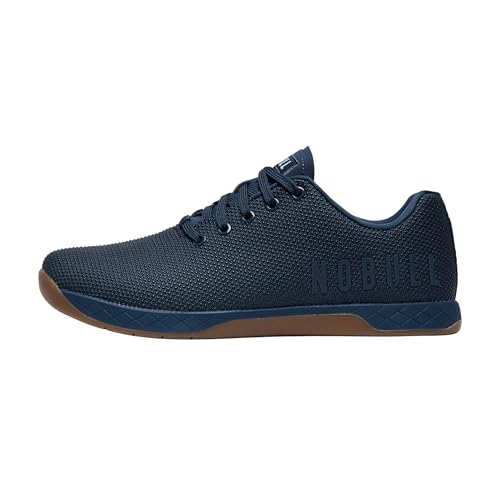
The NOBULL Outwork is a hybrid shoe that lives at the intersection of training and casual wear. Its SuperFabric upper (a bonded, abrasion-resistant layer that shrugs off rope climbs and rough surfaces) takes abuse from rope climbs, plyo boxes, and pavement alike. Lifters who tack on short jogs between sessions appreciate the low profile and flat sole.
Compared to the road-specific Brooks Adrenaline GTS 23 above, the Outwork trades plush cushioning for durability and ground feel. It is more of a do-everything shoe than a dedicated runner. Depending on how you structure your week, that flexibility can be a real asset.
The Case For It
- Durable SuperFabric upper resists abrasion from workouts.
- Flat, low-drop platform suits lifting and short runs.
- Versatile styling transitions from gym to casual wear.
- Lateral support handles lateral movements like agilities.
Honest Caveats
- Not cushioned enough for high-mileage road running.
- Stiffer midsole can feel harsh during long walks.
- Narrow fit may not suit wider feet.
Key Product Details
Who Should Grab It
Hybrid athletes who want one shoe for lifting, short runs, and casual wear without switching pairs.
Reach For A Different Pick When
The Altra Footwear Escalante 2.5 is a better match for runners prioritizing lightweight road mileage.
The Outwork Edge takes NOBULL’s hybrid formula and pushes it toward tougher training. Reinforced overlays along high-wear zones protect the foot during ruck carries and HIIT circuits. For athletes who treat their shoes like work tools, the durability-first mindset is the main draw.
Compared to the standard NOBULL Outwork reviewed above, the Edge version adds structural reinforcement at the cost of a slightly stiffer ride. Runners adding heavy-loaded sessions to their week will appreciate the locked-down feel. Depending on your sensitivity, the firmness may take some breaking in.
Practical Advantages
- Reinforced overlays extend shoe life under heavy training.
- Stable platform supports loaded carries and box jumps.
- Low offset keeps the foot grounded for compound lifts.
- Durable outsole grips gym floors and pavement.
Small Caveats
- Stiffer build feels less forgiving on easy jogs.
- Not designed for high-mileage road running.
Built With In Mind
Athletes who stack HIIT, ruck work, and strength sessions into one shoe and need serious durability.
A Better Fit Elsewhere
The NOBULL Women’s Allday 365 (Ripstop) Shoe suits shoppers wanting a lighter, more casual hybrid for everyday wear.
The Allday 365 in ripstop is NOBULL’s take on an everyday hybrid. The ripstop upper (a tightly woven fabric that resists tearing and fraying) holds up against daily wear without looking overtly athletic. For shoppers who want one pair to cover dog walks, errands, and light gym sessions, the styling is the headline.
Compared to the Outwork Edge above, this shoe leans lighter and more lifestyle-oriented. You sacrifice some outsole toughness for a softer, more flexible ride. For most casual days, that trade-off reads as comfort rather than compromise.
Everyday Advantages
- Ripstop upper resists tearing and everyday scuffs.
- Low-profile design pairs easily with casual outfits.
- Lightweight feel suits walking and light activity.
- Flexible construction breaks in quickly out of the box.
A Few Limitations
- Not built for heavy lifting or high-impact training.
- Minimal cushioning may feel flat on long walks.
Feature Rundown
Whose Shelf It Belongs On
Shoppers who want a casual, low-drop hybrid for daily wear, dog walks, and light gym visits.
Swap It Out When
The Brooks Men’s Adrenaline GTS 23 is the stronger pick for runners focused on high-mileage road training.
What To Weigh Before Choosing Low Heel Drop Running Shoes
Low heel drop running shoes generally sit between zero and six millimeters of offset, which is the height difference between the heel and forefoot under the shoe. Runners new to this range should ease in with shorter runs to let the calves and Achilles adapt. Cushioning density, weight, and upper breathability all shape daily comfort more than spec sheets alone can predict.
Matching Offset To Your Stride
Your natural footstrike is the first filter. Midfoot and forefoot strikers usually settle into a low-drop shoe quickly because the geometry already matches their mechanics. Heel strikers may need a transition period, starting with short efforts to avoid calf soreness.
Considering Use Case Beyond Running
A shoe marketed for low drop can also suit strength training, walking, and gym circuits if the platform is flat and stable. Hybrid picks like the NOBULL options reviewed above pull double duty for athletes who split time between lifting and jogging. For pure road mileage, prioritize cushioning over versatility.
Getting The Fit Right
A roomy toe box matters more than brand loyalty. Low-drop shoes tend to feel different under the arch, so trying them on later in the day when feet are slightly swollen gives a more honest fit. Sock thickness also changes the feel, so test with your typical training socks rather than dress socks.
Key Considerations Across These Picks
Pitfalls Shoppers Hit
Many shoppers focus only on the heel-to-toe number and overlook midsole cushioning. A shoe with low drop but very firm foam can feel punishing on long runs. Others ignore upper breathability, only to discover hot spots in summer. Try to balance drop, cushion, and ventilation together.
What The Higher Tier Buys
Premium options in the low-drop category typically deliver denser, longer-lasting foams and more refined uppers. You are paying for durability, smoother transitions, and thoughtful design touches that hold up over hundreds of miles. The upgrade tends to make sense once weekly mileage climbs past thirty or forty miles.
Frequently Asked Questions
What heel drop is considered low?
Anything under six millimeters typically counts as low drop. Zero-drop shoes sit flat with no offset at all, while traditional trainers often run between eight and twelve millimeters. The lower the offset, the more the shoe encourages a midfoot or forefoot landing.
Are low heel drop running shoes good for beginners?
Yes, but beginners should transition gradually. Starting with one or two short runs per week in a low-drop shoe helps the calves and Achilles adapt without soreness.
Can low-drop shoes help with knee or shin pain?
Some runners report less knee discomfort in flatter shoes because the load distributes differently. The trade-off is more calf and Achilles demand, so switch slowly and rotate with a familiar pair.
How long do low-drop running shoes usually last?
Most runners get three to five hundred miles before the foam breaks down noticeably. Heavier runners and those logging rougher surfaces may see wear sooner. Tracking mileage helps you replace shoes before the cushioning fades.
Do I need special socks for low-drop shoes?
Not necessarily, but thinner, seamless socks tend to feel better in low-profile uppers. Thick cotton socks can crowd the toe box and create friction over longer efforts.
Closing Remarks
Low heel drop running shoes reward runners who match the platform to their stride and ease in with patience. The seven picks above span race-day speed, cushioned stability, gym-ready hybrids, and casual daily wear. Try to anchor your choice in your weekly routine rather than chasing a single spec number, and you will end up with a shoe that feels right from the first mile.