A low-cut hiking boot lives in that useful middle ground between a trail runner and a full backpacking boot, and finding the right pair comes down to fit, terrain, and how much ankle support your routes actually demand. For most day hikers logging five to ten miles on established trails, a low profile keeps the foot nimble and the weight down. The picks below cover waterproof options, trail-ready casual boots, and a few mid-cut alternatives for routes with loose rock or heavier loads, so you can match the boot to the kind of hiking you actually do.
The Leading Options At A Glance

Columbia Women’s Newton Ridge Plus Waterproof Hiking Boot

Columbia Newton Ridge™ BC

Oboz Men’s Sawtooth II Low Waterproof
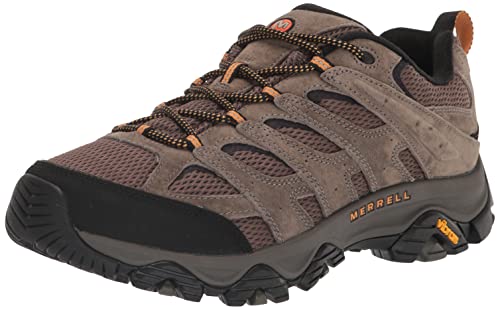
Merrell Men’s Moab 3 Hiking Shoe

Merrell Men’s Moab 3 Mid Hiking Boot

Merrell Men’s Moab 3 Mid Waterproof Hiking Boot
Why These Options Stand Out
For hikers easing into trail work without committing to a heavy backpacking boot, the Columbia Women’s Newton Ridge Plus Waterproof Hiking Boot offers a balanced entry point. The waterproof build keeps feet dry through wet grass and shallow puddles, and the construction leans toward day-long comfort rather than aggressive backcountry performance. Compared to the Merrell Moab picks further down this list, it sits closer to a traditional hiking shoe shape with a slightly sturdier upper.
Trail centers, state park loops, and well-maintained paths are where this boot feels most at home. You get traction suited to dirt and gravel without the bulk of a full mountaineering boot, which makes it approachable for newer hikers still learning their preferences. For first-time hikers building a rotation of trail-ready gear, the combination of accessible sizing and dependable construction makes it a sensible starting choice.
Real-World Strengths
- Waterproof construction handles morning dew, creek-side trails, and post-rain stretches without soaking through.
- Sizing spans multiple options, helping shoppers dial in a fit that works for narrower or wider feet.
- Day hikers covering five to eight miles generally find the cushioning holds up across varied dirt and gravel surfaces.
- Lightweight enough to double as a casual boot around camp or in town after the hike is done.
Things To Consider
- Stock has been limited on certain colorways, so availability may require patience or a backup choice.
- The midsole cushioning is comfortable but firmer than the Merrell Moab 3, which some hikers may notice on longer miles.
- Leather care matters: owners commonly find that a quick wipe-down and occasional conditioning keeps the upper supple over time.
Made For
Beginners and intermediate day hikers tackling established trails in mixed weather who want a waterproof boot that doesn’t feel like overkill.
Reach For A Different Pick When
The Oboz Sawtooth II Low Waterproof suits hikers more often crossing muddy creeks or moving through consistently wet terrain where stronger water protection matters.
Where the Newton Ridge Plus is built for trail duty, the Columbia Newton Ridge™ BC leans further into hybrid territory, blending a heritage boot silhouette with suede-and-leather materials and a grippy outsole. It’s the kind of boot that fits a Saturday morning on a leaf-covered loop just as well as a coffee run afterward. The aesthetic reads closer to a casual lace-up than a technical hiker, which shapes who’ll enjoy it most.
Hikers who split time between light trail use and everyday wear tend to gravitate toward this style. The traction handles gravel paths, park trails, and dirt roads without complaint, while the rain-and-stain resistance helps the suede and leather handle puddles and surprise weather. For shoppers wanting one boot to cover errands, dog walks on natural-surface trails, and the occasional weekend hike, this fills that role nicely.
Where It Helps
- Suede-and-leather upper gives a heritage look that pairs with casual outfits beyond the trail.
- Rain-and-stain resistance protects the finish during damp walks and wet pavement crossings.
- Lightweight cushioning keeps feet comfortable through long days of mixed walking and standing.
- Multiple color and size options make it easier to match the boot to personal style preferences.
Worth Noting
- The casual build isn’t suited to technical terrain, scree fields, or routes requiring serious ankle support.
- Suede needs attention: a soft brush and protective spray every few months tends to keep the nap looking fresh.
Quick Facts
Best Suited To
Hybrid hikers and casual wearers who want one boot for light trails, weekend walks, and everyday use without swapping footwear.
Swap It Out When
The Columbia Newton Ridge Plus Waterproof suits shoppers who need a dedicated, weather-focused hiking boot for actual trail days instead of casual wear.
The Oboz Men’s Sawtooth II Low Waterproof is built for hikers who regularly find themselves pushing through muddy patches, hopping across streams, and walking rain-soaked trails without flinching. Its B-DRY waterproof membrane sits beneath the surface to keep water out while still allowing the foot to breathe, and the asymmetrical collar shape helps the ankle sit comfortably without rubbing. The revamped heel counter adds structure for longer days when fatigue tends to set in.
Where the Columbia picks lean more toward general versatility, the Sawtooth II focuses on wet-condition performance. Hikers who frequent Pacific Northwest forests, Appalachian ridgelines, or any region with persistent damp trails will appreciate the consistent dryness inside the boot. The grippy sole handles slick roots and loose dirt with composure, making it a reliable choice for routes that turn messy after rain.
The Value In It
- B-DRY membrane provides serious wet-weather protection without the heavy, clammy feel some waterproof boots develop.
- Asymmetrical collar shape cradles the ankle and reduces rubbing on longer descents.
- Breathable mesh vents help manage heat buildup during warm-weather hiking.
- Updated heel counter adds support for hikers covering ten-plus miles with full packs.
Trade Offs
- Construction prioritizes trail function over casual styling, so it reads as a dedicated hiking boot.
- Waterproof membranes need care: owners commonly find that airing out the boot after wet hikes preserves the membrane’s performance over time.
- The protective build runs slightly heavier than minimalist trail runners.
Feature Snapshot
Who It Suits Best
Hikers dealing with persistent mud, stream fords, and damp trail conditions who want a low-profile boot with serious water protection.
Consider Something Else When
The Merrell Moab 3 Mid Waterproof fits hikers who want similar weather protection plus ankle coverage for rocky, uneven terrain.
The Merrell Moab line has been a fixture on trails for years, and the Moab 3 Hiking Shoe updates that formula with a more supportive insole, a softer cushioned midsole, and a grippier Vibram outsole. For day hikers who want one reliable low-cut shoe to cover everything from forest service roads to moderate summit trails, this remains a comfortable, well-rounded choice. It sits in the same general category as the Oboz Sawtooth II but with a noticeably softer ride underfoot.
Hikers covering varied terrain in a single day appreciate the Moab 3’s flexibility. The cushioning softens the impact of rocky descents, while the Vibram outsole keeps traction predictable across wet roots, dry scree, and packed dirt. Compared to the higher-cut Moab 3 Mid picks below, this version trades ankle support for a freer feel, which many hikers prefer on smooth to moderately rough trails.
Good Reasons To Consider
- Updated insole offers noticeable arch comfort on long miles without requiring custom insoles.
- Softer midsole absorbs impact well on rocky, uneven ground.
- Vibram outsole grips confidently across wet, dry, and loose trail surfaces.
- Low-cut profile keeps the foot mobile for trail runners transitioning to hiking footwear.
Honest Caveats
- The non-waterproof version lets water in during stream crossings and wet-grass sections, so hikers in damp climates may want the Waterproof Moab 3 Mid instead.
- Ankle support is limited compared to mid-cut boots, which matters on routes with heavy talus or unstable footing.
Quick Facts
The Right Fit
Day hikers logging moderate mileage across mixed terrain who value out-of-the-box comfort and a softer ride over heavy-duty protection.
Look Elsewhere When
The Columbia Newton Ridge Plus Waterproof fits hikers who want a more traditional leather boot feel with reliable wet-weather performance at a lower entry cost.
The Merrell Men’s Moab 3 Mid Hiking Boot takes everything the low-cut Moab 3 offers and adds mid-cut ankle coverage for routes that demand more stability. Where the standard Moab 3 Hiking Shoe feels nimble and athletic, the Mid version steps into serious trail territory without losing the comfort that made the line popular. It bridges the gap between day-hike flexibility and full backpacking support.
Hikers carrying heavier daypacks, pushing through rocky ascents, or navigating routes with loose scree tend to appreciate the extra ankle structure. The same updated insole and softer midsole carry over from the low-cut version, so the comfort benchmark stays consistent. For shoppers who want one boot to handle both smooth forest trails and rougher mountain terrain, the Mid sits in a practical sweet spot.
The Case For It
- Mid-cut ankle coverage adds stability on uneven terrain, loose rock, and steeper descents.
- Carries over the Moab 3’s supportive insole and cushioned midsole for familiar comfort.
- Vibram outsole maintains traction across wet, dry, and gravelly surfaces.
- Versatile enough to handle both day hikes and lighter overnight trips with manageable pack weight.
Potential Drawbacks
- Runs heavier than the low-cut Moab 3, which some hikers notice on faster-paced trail days.
- The non-waterproof construction means wet conditions call for the Waterproof Moab 3 Mid instead.
- Mid-cut collars can feel stiff until broken in over several short walks.
Who Will Love This
Trail hikers moving into rougher terrain, heavier loads, or longer miles who want ankle support without jumping to a full backpacking boot.
A Better Fit Elsewhere
The Oboz Sawtooth II Low Waterproof suits hikers who prefer staying low-cut but want stronger waterproof performance for consistently wet trails.
The Merrell Men’s Moab 3 Mid Waterproof Hiking Boot combines the ankle support of the Mid silhouette with the wet-weather protection hikers need for rain-soaked routes and stream crossings. It’s the most weather-capable option in this roundup, pairing the updated Moab 3 cushioning system with a waterproof membrane that keeps feet dry through puddles, wet grass, and damp mornings.
Hikers in the Pacific Northwest, Northeast, or any region with persistent rain find this version particularly useful. The mid-cut profile handles rocky, root-filled terrain with more confidence than a low-cut boot, while the waterproof build removes the need to bail when the forecast turns ugly. Compared to the standard Moab 3 Mid, the added membrane is the meaningful upgrade for cold, wet shoulder-season hiking.
What Pays Off
- Waterproof membrane handles wet trails, shallow stream crossings, and rainy day hikes with confidence.
- Mid-cut ankle coverage stabilizes the foot on uneven, rocky, or loose terrain.
- Updated insole and softer midsole keep long-mileage comfort consistent with the Moab 3 line.
- Vibram outsole grips slick rock and wet roots reliably.
Possible Compromises
- Waterproof membranes can trap heat in warm, dry summer conditions.
- Runs heavier than low-cut options, so speed-focused hikers may find it overkill.
- Owners commonly find that pulling the insoles out after wet hikes helps the boot dry fully overnight.
Key Specs
Built With In Mind
Hikers in wet climates or shoulder seasons who want mid-cut ankle support paired with serious waterproof protection for demanding trail conditions.
Skip It When
The Merrell Moab 3 Hiking Shoe fits hikers in dry climates who prioritize low-cut mobility and breathability over weather protection.
What Matters Most When Choosing Low Hiking Boots
Match the Boot to Your Terrain
Low hiking boots shine on established trails, forest service roads, and moderate summit paths where mobility matters more than ankle protection. For routes with loose scree, heavy pack loads, or rocky descents, a mid-cut boot like the Moab 3 Mid offers more stability without the bulk of a full backpacking boot. Hikers crossing streams or moving through consistently wet terrain should prioritize a waterproof membrane such as B-DRY, while those in dry climates often prefer the breathability of non-waterproof builds.
Fit and Sock Strategy
A boot that feels fine in the store can turn miserable ten miles in, so dial in fit with the socks you actually plan to wear. Midweight hiking socks change the volume inside the boot, and trying the pair with your intended socks avoids surprises on the trail. Hikers with wider feet often find that brands offering multiple width options reduce hot spots considerably.
Traction Compounds and Outsoles
Vibram rubber outsoles have become a near-standard feature in this category because they grip wet rock, loose dirt, and gravel with dependable consistency. Lug depth matters too: deeper lugs shed mud and bite into soft ground, while shallower patterns feel smoother on packed trails. For most day hikers, a moderate lug pattern covers the widest range of terrain without feeling clumsy on flatter stretches.
Weight vs. Protection Trade-Off
Lower-cut designs generally weigh less and feel more athletic, which appeals to hikers covering distance at a steady pace. The trade-off shows up in ankle support and underfoot protection from sharp rocks. Heavier boots absorb more impact and resist abrasion better, but they fatigue the leg faster over long climbs. For most day hikers, a mid-weight boot in the 14-16 ounce per-pair range balances these competing demands well.
Key Takeaways Before You Buy
Common Slip Ups First-Timers Hit
Choosing a waterproof boot for hot, dry conditions is one of the most frequent mistakes, because waterproof membranes trap heat and leave feet clammy when no water is present to block. Another is sizing up too much in anticipation of swelling, which creates heel slip and blisters on descents. Trying boots on later in the day, when feet naturally swell, gives a more accurate fit for trail use.
Where The Extra Money Goes
Higher-tier boots in this category typically invest in better waterproof membranes, more durable leather or synthetic uppers, and outsoles with more sophisticated lug patterns. The Moab 3 line, for example, updates its midsole and insole in each generation, which adds comfort on long miles. For hikers logging frequent trips or tackling rougher terrain, those upgrades translate to fewer hot spots and better traction over the life of the boot.
Frequently Asked Questions
Are low hiking boots good for beginners?
Yes, low hiking boots work well for beginners because they weigh less and require less break-in time than mid-cut or full backpacking boots. They encourage a natural stride and let newer hikers focus on building trail experience without the bulk of heavier footwear. For day hikes on established trails, they offer enough protection for most conditions.
Do low hiking boots provide enough ankle support?
For most day hikes with a light pack, yes. Low hiking boots rely on the foot’s natural mobility and the boot’s underfoot support rather than ankle cuffs. Hikers carrying heavy loads, moving through rocky terrain, or prone to ankle rolls generally benefit more from a mid-cut boot that adds ankle structure.
Should I choose waterproof or non-waterproof?
Waterproof boots make sense for hikers in wet climates, shoulder seasons, or routes with frequent stream crossings. Non-waterproof boots breathe better and feel lighter in dry, warm conditions. Choosing based on your most common conditions saves the discomfort of sweaty feet in summer or soaked socks in winter.
How long do low hiking boots typically last?
Most low hiking boots last between 500 and 1,000 miles depending on terrain, care, and construction quality. Rocky terrain wears outsoles faster, while clean trail use extends lifespan considerably. Cleaning off dirt after each hike and storing boots in a dry place helps the materials hold up over time.
Can I use low hiking boots for backpacking?
Light backpacking trips with pack weights under 25 to 30 pounds are generally fine in low hiking boots, especially on well-maintained trails. For heavier loads, longer trips, or rough terrain, a mid-cut or backpacking-specific boot offers more support and protection. Matching the boot to your typical pack weight keeps feet more comfortable over multi-day routes.
Closing Remarks
The right low hiking boot comes down to honest answers about your terrain, climate, and the kind of miles you actually log. Match the waterproofing to your weather, the cut to your load, and the traction to your ground, and the rest tends to fall into place. Take your time trying options on with the socks you’ll wear on the trail, and trust how the boot feels after a few minutes of walking, not just standing.