A long day on a rocky trail can ruin a trip fast when your feet ache by mile five. Low hiking shoes solve the weight and bulk problem of traditional boots, especially on day hikes, fast-packing trips, and shoulder-season trail runs where agility matters more than ankle fortress support. The picks below balance grip, comfort, breathability, and trail-ready durability across six distinct reader profiles. Each one earned its spot for a different reason, from casual weekend outings to multi-day adventures on wet terrain.
The Lineup, Simplified

SCARPA Mojito Wrap Walking Shoes

Columbia Men’s Konos TRS Shoe

Oboz Sawtooth II Low Waterproof
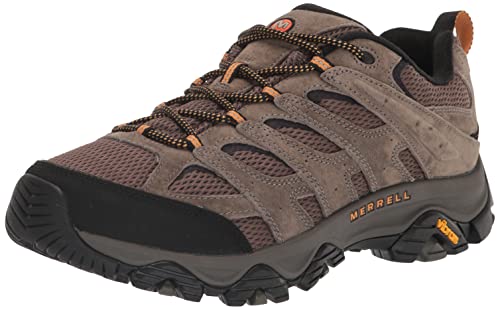
Merrell Men’s Moab 3 Hiking Shoe

Merrell Moab 3 Mid Hiking Boot

Merrell Moab 3 Mid Waterproof Boots
More On The Choices That Made The List
The SCARPA Mojito Wrap leans into a low-profile climbing-shoe heritage, which makes it feel planted on rocky scrambles and uneven ground. Compared to the more overtly cushioned entries coming up, this one trades plush midsole feel for a tighter, more responsive ride that hikers who like to feel the trail tend to appreciate.
The suede-and-mesh upper wraps the foot in a way that mimics an approach shoe, so foot fatigue tends to stay low on shorter outings. You sacrifice some long-distance cushioning in the process, which matters less on quick trail missions and more on all-day pushes with a heavy pack.
What Pays Off
- Low-profile sole geometry keeps your center of gravity close to the rock, which helps on technical footing.
- Suede wrap upper holds the midfoot securely so lateral movement on sidehill traverses feels contained.
- Lifestyle-friendly styling transitions straight from trailhead to town without a shoe change.
- Lighter weight than most mid-cut hikers, so legs stay fresher on shorter day routes.
Things To Consider
- The wrap-style upper has limited waterproofing, so wet grass and puddles will soak through fairly quickly.
- Cushioning is minimal compared to the Merrell options later in the list, so long-mile days can feel lean.
- Suede requires a bit of upkeep; owners commonly brush off mud rather than just hosing these down.
Right Fit For
Casual trail hikers and travelers who want one shoe that handles easy paths and a post-hike beer without looking out of place.
Look Elsewhere When
You face frequent creek crossings and damp conditions, where the Oboz Sawtooth II Low Waterproof will serve you far better.
The Columbia Konos TRS is built around airflow first, and you notice that the moment you lace it on a humid July morning. Where the SCARPA ahead of it hugs the foot with suede, this one uses no-sew mesh overlays (meaning stitched seams are replaced by glued reinforcement patches) that vent heat effectively on warm-weather routes.
The midsole pairs an advanced cushioning platform with a stability layer underneath, which keeps the ride steady when the trail turns to scree. It’s a noticeably different philosophy from the minimalist feel of the Mojito, trading ground-feel for a more forgiving, longer-mileage character.
What It Does Well
- Open mesh construction sheds heat fast, so summer trails stop feeling like a foot sauna.
- The underfoot system is tuned for traction on wet and dry surfaces, which helps on unpredictable terrain.
- No-sew overlays reinforce high-stress areas without adding the chafe points that stitched seams can create.
- The running-shoe-like geometry makes it a comfortable crossover for hikers who also log road miles.
Trade Offs
- Mesh drains water as fast as it lets heat escape, so puddle crossings leave socks soaked for the rest of the hike.
- Less toe protection than the Oboz or Merrell options, so kicked rocks transmit force straight through.
Feature Card
Who Will Love This
Warm-climate hikers and fast-packers who log miles on dry trails and want a cushioned, airy ride.
A Better Fit Elsewhere
You frequently hike through creeks and rain, where the Merrell Moab 3 Mid Waterproof Boots deliver the same comfort with a sealed membrane.
The Oboz Sawtooth II Low Waterproof is the pick that earns its place the moment spring snowmelt hits the trail. The B-DRY waterproof membrane (a sealed internal bootie that blocks water while letting some vapor escape) wraps the foot inside a bootie-style barrier, while mesh vents on the upper let excess heat bleed out so the interior doesn’t turn into a swamp.
Where the Konos TRS is built for dry, fast terrain, this shoe leans into slower, wetter adventures. The asymmetrical ankle collar follows the natural shape of your leg and reduces rubbing on long descents, a detail you’ll appreciate after the third hour of downhill.
Good Reasons To Consider
- Waterproof membrane keeps feet dry through puddles, shallow streams, and wet grass crossings.
- Asymmetrical collar mirrors the leg’s anatomy, so friction hotspots on long downhills tend to stay away.
- Reinforced heel counter locks the rear foot in place, which reduces blister risk under load.
- Breathable mesh vents offset the heat that waterproof builds tend to trap.
Honest Caveats
- Waterproof membranes do eventually saturate in deep water, so wading isn’t a substitute for crossing boots.
- The midsole feels firmer than the Moab 3, which can feel chunky on shorter casual walks.
- Breaks in slowly because the leather-and-synthetic upper is stiffer out of the box than mesh options.
Feature Snapshot
Made For
Hikers in wet climates and shoulder-season trail users who deal with damp conditions more than dry heat.
Skip It When
Most of your hiking happens on dry summer trails, where the Columbia Konos TRS will breathe better and feel lighter.
The Merrell Moab 3 is the safe, versatile choice in this lineup. Generations of hikers have logged serious miles in earlier versions, and version 3 doubles down on what worked: a grippy Vibram outsole (a high-traction rubber compound made by the Italian brand that’s an industry benchmark for trail grip), a more supportive insole, and a softer midsole that softens landings.
Compared to the Oboz ahead of it, the Moab 3 is non-waterproof, which trades wet-weather confidence for better breathability in dry conditions. The trade-off works in your favor on warm, dusty trails where a sealed membrane would cook your feet.
Standout Benefits
- Vibram outsole grips loose dirt, slabs, and roots with confidence across dry and damp surfaces.
- Improved insole adds arch support that hikers with foot fatigue tend to notice right away.
- Soften midsole geometry absorbs impact, so longer days feel less punishing on the knees.
- Iconic Moab fit works well for a wide range of foot shapes straight out of the box.
Worth Noting
- No waterproof membrane means wet conditions will soak through quickly.
- Sizing runs a touch narrow for some feet, so trying them on helps if you have a wider forefoot.
Best Suited To
Regular trail hikers who want one reliable, all-purpose shoe for varied terrain in dry to moderate conditions.
Consider Something Else When
You hike in consistently wet climates or shoulder seasons where moisture is unavoidable, since the Merrell Moab 3 Mid Waterproof Boots cover that ground.
The Moab 3 Mid is the ankle-support answer for hikers who love the Moab platform but want extra confidence on rocky descents. The mid-cut collar wraps the ankle without restricting motion the way a full boot does, striking a middle ground that the low-cut Moab 3 can’t match on uneven terrain.
You give up some of the low-cut agility that made the regular Moab 3 so comfortable on flat trails. In return, the higher cuff reduces the kind of ankle roll that ruins a hike on loose scree or when stepping off unseen roots.
Bright Spots
- Mid-cut collar stabilizes the ankle without the bulk of a full hiking boot.
- Same Vibram outsole platform as the low-cut Moab, so grip consistency stays familiar.
- Updated insole and midsole carry over from version 3, keeping the comfort dialed in.
- Works well for hikers transitioning from low-cut shoes who want more support without jumping to a full boot.
Room For Improvement
- Non-waterproof construction, so wet conditions are still a problem on long days.
- Heavier than the low-cut Moab 3, which adds up over many miles.
Quick Facts
Whose Shelf It Belongs On
Hikers tackling rocky, uneven trails who want more ankle security than a low-cut shoe can offer.
Swap It Out When
You mostly hike flat, groomed paths, where the lower-cut Merrell Moab 3 will feel lighter and less restrictive.
The Moab 3 Mid Waterproof is the final evolution of the Moab platform on this list, layering a waterproof membrane over the supportive mid-cut collar. It pulls together everything the previous Moab variants do well and seals it against rain, snowmelt, and soggy spring trails.
You carry a bit of extra weight from the membrane and mid-cut construction. For hikers facing wet conditions regularly, that’s almost always a worthwhile trade-off.
The Case For It
- Waterproof membrane keeps feet dry across wet grass, shallow puddles, and damp spring trails.
- Mid-cut collar delivers ankle stability for off-camber terrain and rocky descents.
- Vibram outsole maintains traction across wet rock and loose dirt.
- Updated insole and midsole from version 3 keep the comfort consistent with the rest of the Moab line.
Points To Consider
- Waterproof membranes trap heat in warm summer weather, so summer hikers may want a non-waterproof alternative.
- Heaviest option in this list, which adds fatigue on very long routes.
At A Glance
Perfect Match For
Year-round hikers in wet climates who want one shoe that handles rain, mud, and rocky terrain without compromise.
Reach For A Different Pick When
Most of your hiking happens in dry summer weather, where the Columbia Konos TRS will breathe better and feel much lighter on foot.
How To Pick The Right Low Hiking Shoes For Your Trails
Low hiking shoes live in the gap between trail runners and full hiking boots, so the right pick depends on where and how you actually hike. Terrain, weather, and load weight all shape the decision more than any single spec sheet.
Match The Shoe To Your Typical Terrain
Smooth, well-groomed paths reward lightweight, breathable builds like the Columbia Konos TRS. Rocky, root-filled, or off-camber trails benefit from the stiffer soles and protective uppers of the Oboz Sawtooth or Merrell Moab 3 family. Heavy day packs also tip the scales toward stiffer builds, since soft midsoles compress more under load.
Decide How Much Water You Need To Handle
Dry climates and summer trails make waterproof membranes a liability, since they trap heat. Wet climates, spring shoulder seasons, and creek-heavy routes make a waterproof membrane like those in the Oboz Sawtooth II Low Waterproof or Moab 3 Mid Waterproof almost essential.
Pay Attention To Cut Height
Low-cut shoes keep weight down and let feet flex naturally, which works for fast hiking and trail running. Mid-cut collars add ankle security without the bulk of a full boot, a useful middle ground for rocky terrain and hikers who want extra support without committing to a full hiking boot.
Consider Fit And Foot Shape
The Moab 3 family has a reputation for accommodating a wide range of foot shapes, while more minimalist builds like the SCARPA Mojito Wrap run narrower. Try to try shoes on at the end of the day when feet are slightly swollen, which more closely mirrors trail conditions.
Key Considerations Across These Picks
Where Shoppers Go Wrong
The most common mistake is choosing waterproof construction for a dry climate, ending up with hot, sweaty feet on summer trails. Another slip-up is treating low-cut hiking shoes like trail runners; they handle roots and rocks better than running shoes, but lack the ankle structure of boots on serious terrain. Fit is the third pitfall, since ordering online without trying shoes on often leads to hot spots and blisters by mile three.
Where The Extra Money Goes
Higher-tier hiking shoes typically add a waterproof membrane, a grippier Vibram-class outsole, and better midsole cushioning that holds up over years of use. For hikers who log regular miles in wet or rocky conditions, those upgrades tend to pay for themselves in comfort. For occasional day hikes on easy terrain, the extra cost may not be worth it, and a basic breathable model handles the job well.
Frequently Asked Questions
What Is The Main Difference Between Low Hiking Shoes And Trail Runners?
Low hiking shoes have stiffer midsoles and more protective uppers than trail runners, which makes them more stable on uneven terrain but less agile for running. Trail runners prioritize flexibility and breathability for faster movement, while hiking shoes lean toward support and durability.
Do I Need Waterproof Hiking Shoes?
Waterproof construction helps in wet climates, muddy trails, and shoulder seasons where puddles and damp ground are common. In dry, hot climates, non-waterproof shoes breathe better and feel cooler, since waterproof membranes trap heat inside the shoe.
Can Low Hiking Shoes Handle Multi-Day Backpacking Trips?
Low hiking shoes can handle moderate multi-day trips with light loads on established trails. Heavier packs and rougher terrain typically call for stiffer boots, since low-cut shoes compress more under load and offer less ankle support.
How Often Should I Replace Hiking Shoes?
Most hiking shoes last somewhere between 500 and 1,000 miles depending on terrain, body weight, and care. Worn-out tread, persistent foot fatigue, and visible midsole compression are signs it’s time for a new pair.
Are Low Hiking Shoes Good For Travel?
Low hiking shoes work well for travel because they handle trails and city walking without needing a second pair of shoes. Models like the SCARPA Mojito Wrap lean into that dual-purpose lifestyle approach, while still offering real trail capability.
Closing Remarks
The right low hiking shoe depends less on marketing claims and more on the trails you actually walk and the weather you actually face. Match the cut, the protection, and the breathability to your most common conditions, and the rest usually falls into place. Pick the shoe that fits your real terrain, and the rest of the gear can follow.