A low-cut hiking shoe strikes a useful middle ground between a trail runner and a full hiking boot, and the category has quietly matured into one of the most versatile options you can own. You wear them on day hikes, weekend camping trips, dog walks on rocky ground, and even travel days with cobblestones and airport sprints. The picks below cover breathable mesh styles, waterproof builds, and everything in between, so you can match the shoe to your terrain rather than the other way around.
A Closer Look At The Lineup

SCARPA Mojito Wrap Walking Shoes

Columbia Men’s Konos TRS Shoe

Columbia Men’s Firecamp Boot
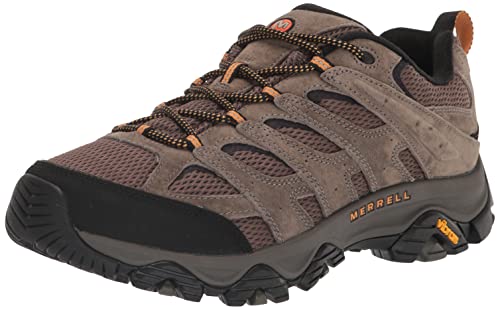
Merrell Men’s Moab 3 Hiking Shoe

Merrell Men’s Moab 3 Mid Hiking Boot

Merrell Men’s Moab 3 Mid Waterproof
The SCARPA Mojito Wrap lands in that comfortable space between casual sneaker and trail tool, leaning a touch more toward casual wear. Its wrapped leather upper hugs the foot closely, which gives it the feel of an approach shoe you can wear to a coffee shop after a morning on the path. For hikers who want something that transitions from a short trail to a long city day without a shoe change, the silhouette earns its keep.
You won’t see heavy hiking-shoe branding here, and that’s deliberate. The build favors grip on mixed surfaces over deep lugs for serious backcountry work, so day hikers, travelers, and weekend walkers tend to get more from it than peak-bagging types. It also fits narrow to medium feet best, a worth-noting detail if your foot runs wide.
Key Advantages
- Wrapped leather upper gives a glove-like fit that holds the foot on uneven ground.
- Versatile enough for trail-to-town wear, so you skip a second pair of shoes on travel days.
- Lighter than a full hiking boot, which helps on long walks and warm-weather hikes.
- Low profile keeps ankles free and breathable in mild temperatures.
Things To Consider
- Not fully waterproof, so wet grass and puddles will soak through.
- Narrow last may pinch wider feet, especially across the forefoot.
- Less aggressive lug pattern than dedicated trail hikers on muddy slopes.
Who It Suits Best
Casual hikers, travelers, and anyone who walks mixed terrain in mild, dry conditions and values a polished look.
Where Another Pick Suits Better
If you regularly cross streams or hike in steady rain, the Merrell Moab 3 Mid Waterproof is the safer choice for keeping your feet dry.
The Columbia Konos TRS aims at hikers who move fast and don’t want a bulky shoe slowing them down. Its breathable mesh upper keeps airflow moving, while no-sew overlays add structure exactly where you need it without adding weight. The midsole is engineered to balance cushioning and response, so a steady five-mile loop or a brisk ridge walk both feel manageable.
Compared to the SCARPA that opened this list, the Konos leans more athletic and less lifestyle-oriented. Underfoot traction holds up on wet rocks and loose gravel, and the low-cut collar makes it a smart choice when the trail is dry and your pace is high. You may find the cushioning softer than expected, which is great for road-to-trail commutes and less ideal if you prefer a stiff platform under heavy load.
What Stands Out
- Breathable mesh upper keeps feet cooler on warm-weather hikes.
- Lightweight construction reduces fatigue on longer distances.
- Traction system handles wet and dry surfaces without feeling clunky.
- Responsive cushioning works well for fast-paced walking and trail running crossover use.
Honest Caveats
- Mesh lets in water, so stream crossings and rain will soak the upper.
- Less ankle protection than the mid-cut options later in this list.
- Soft midsole may feel unstable under a heavy pack.
Made For
Active day hikers, fast walkers, and trail-runner fans who want more structure than a running shoe without the bulk of a boot.
Skip It When
You regularly hike in rain or wet grass, where the Merrell Moab 3 Mid Waterproof offers a more weather-resistant build.
The Columbia Firecamp steps into colder and wetter territory than the Konos that came before it. Its waterproof construction seals out rain and stream splashes, and the low-bulk insulation adds warmth without turning the boot into a winter pac. The cushioned midsole softens rough terrain, which matters when the trail is cold, hard, and unforgiving.
For shoulder-season hikers in particular, the Firecamp earns a closer look. You get the protection of a hiking boot with a slimmer profile than a traditional mountaineering option, and the styling works for town errands after the hike. Compared to the Merrell Moab 3 Mid below, the Firecamp feels a touch warmer underfoot, so warmer climates may find it too insulated for summer use.
The Case For It
- Waterproof construction keeps feet drier across wet grass, mud, and shallow puddles.
- Insulated lining adds warmth without extra bulk for cooler hikes.
- Cushioned platform reduces foot fatigue on long, hard-packed trails.
- Boot-style protection shields against rocks and roots on rugged paths.
Points To Keep In Mind
- Insulation can feel too warm on hot summer hikes.
- Heavier than the low-cut options earlier in this list.
- Less breathable, so moisture can build up on intense efforts.
Feature Snapshot
Right Fit For
Hikers who tackle wet, chilly trails in spring and fall and want a boot that handles both town and trail.
Look Elsewhere When
You mostly hike in dry summer weather, where the Merrell Moab 3 Mid without waterproofing stays cooler underfoot.
The Merrell Moab 3 is the workhorse of this list and arguably the most well-rounded option here. The updated insole adds noticeable arch support, and the redesigned midsole softens landings without feeling mushy. A grippier outsole holds up on loose dirt, wet rock, and root-strewn paths, which is exactly what most day hikers actually walk on.
Versus the Columbia Konos above, the Moab 3 trades a bit of athletic speed for greater support and durability. You get more structure underfoot, better protection from sharp rocks, and a fit that Merrell has refined across multiple generations. For hikers who own one pair of shoes and want them to handle most conditions, this is the safest bet.
What Works In Its Favor
- Supportive insole helps hikers logging longer distances or carrying light packs.
- Cushioned midsole absorbs impact without feeling unstable.
- Grippy outsole performs well on wet and loose terrain.
- Refined fit accommodates a wide range of foot shapes.
- Durable build holds up to regular trail use.
Worth Noting
- Heavier than minimalist trail runners, so pace suffers on fast hikes.
- Not waterproof in this version, so rain and puddles seep through.
- Break-in period may be needed for some wearers before long days feel effortless.
Best Suited To
Day hikers, weekend backpackers, and anyone who wants one dependable pair that handles most conditions without specialization.
Consider Something Else When
You hike often in wet conditions and want sealed protection, where the Merrell Moab 3 Mid Waterproof offers the same fit with weather sealing.
The mid-cut version of the Moab 3 adds ankle coverage that the low-cut sibling doesn’t offer, and it does so without making the boot feel heavy or clunky. The mid-height collar helps stabilize the ankle on uneven ground, side slopes, and rocky descents, which is exactly where low-cut shoes tend to feel twitchy.
If you’ve owned the low-cut Moab and wished for a little more protection, this version is the natural step up. Compared to the Columbia Firecamp reviewed earlier, the Moab 3 Mid is lighter and more breathable but lacks the insulation and waterproofing. That makes it the right call for dry-to-mixed trails where ankle confidence matters more than weather sealing.
Positive Points
- Mid-cut collar adds ankle stability on rough terrain without the weight of a full boot.
- Carries over the supportive insole and cushioned midsole from the low-cut version.
- Grippy outsole performs across dirt, gravel, and rock.
- Versatile enough for day hikes, backpacking trips, and casual outdoor wear.
Trade Offs
- Adds noticeable weight compared to the low-cut Moab 3.
- Less breathable around the ankle in warm weather.
- Not waterproof, so rain and stream crossings still soak the foot.
- Some wearers find mid-cut collars rub during initial use.
Quick Facts
Who Will Love This
Hikers tackling uneven, rocky trails or carrying heavier loads who want ankle security without the bulk of a full mountaineering boot.
A Better Fit Elsewhere
For wet trail conditions and cooler weather, the Merrell Moab 3 Mid Waterproof adds the sealed protection this version lacks.
The waterproof Moab 3 Mid closes out this list by addressing the biggest complaint about the rest of the Moab family: soaked feet. The sealed construction keeps water out during stream crossings, wet grass, and steady rain, while the mid-cut collar preserves the ankle support that hikers expect from this line. It’s the version most people will want for year-round trail use.
Side by side with the Columbia Firecamp earlier, this Moab trades a bit of warmth for a lighter, more breathable ride in the same weather-sealed category. You get the same reliable Vibram outsole and supportive insole without extra insulation, so it’s the better warm-weather rain boot. Hikers in Pacific Northwest, Appalachian, or shoulder-season climates will appreciate what it offers most.
Notable Gains
- Waterproof membrane keeps feet dry in rain, puddles, and shallow stream crossings.
- Mid-cut collar supports ankles on uneven terrain without full-boot weight.
- Cushioned midsole reduces fatigue on long hikes over varied ground.
- Updated insole offers better arch support than earlier Moab versions.
- Grippy Vibram outsole handles wet rock and loose dirt confidently.
- Durable build suited for frequent, year-round trail use.
Less Ideal Details
- Waterproofing adds a small weight penalty compared to the non-sealed Moab 3 Mid.
- Less breathable in hot, dry summer conditions.
- Drying time is longer if water does get in over the top of the collar.
Spec Overview
Perfect Match For
Hikers who face wet trails year-round, from rainy coastlines to spring mud season, and want one reliable waterproof shoe.
Reach For A Different Pick When
You mostly hike in dry, hot climates where breathability matters more than sealing, which is where the standard Merrell Moab 3 Mid fits better.
What Matters Most Before Choosing Low Hiking Shoes For Men
Match The Cut To Your Terrain
Low-cut hiking shoes give you flexibility and a lighter feel, but they leave the ankle exposed on rocky ground. Mid-cut options add stability for side slopes, loose scree, or heavier loads. For mostly flat, well-marked trails, a low-cut shoe like the SCARPA Mojito Wrap or Columbia Konos keeps things nimble. For rougher or more technical routes, the mid-cut Moab earns its added weight.
Decide If You Need Waterproofing
A waterproof membrane keeps your feet dry in rain, puddles, and stream crossings, but it also reduces breathability. In hot, dry climates, a non-sealed shoe like the Moab 3 or Moab 3 Mid stays cooler and dries faster. In wetter regions or shoulder seasons, waterproofing becomes less of a “nice to have” and more of an essential.
Prioritize Grip And Cushioning
Outsole lugs and rubber compound matter more than most shoppers expect. Aggressive lugs bite into soft dirt, while sticky rubber compounds hold better on wet rock. Cushioning in the midsole (the foam layer between your foot and the ground) helps on long hikes, but too much softness makes the shoe feel unstable under a heavy pack. Try to balance both based on your usual load.
Fit Is Everything
Hiking shoes that slip at the heel or pinch the forefoot ruin a trail day fast. Merrell’s Moab line is known for accommodating a wide range of feet, while the SCARPA Mojito Wrap runs narrower. Always try them on with the socks you actually hike in, and leave a thumbnail’s width of space at the toe for downhill comfort.
Key Considerations Across These Picks
Where Shoppers Go Wrong
A common mistake is choosing a trail runner when you really need a hiking shoe, or vice versa. Trail runners prioritize speed and breathability but offer less protection, while hiking shoes trade a little speed for stability and durability. Another slip-up is sizing down too aggressively to “lock in” the heel, which usually leaves toes cramped on long descents. Hikers also tend to overbuy waterproofing for dry climates, ending up with hot, sweaty feet on summer trails.
When Paying More Pays Off
Higher-tier hiking shoes tend to spend the extra money on outsole compounds, midsole foams, and upper materials that last longer and perform better across more conditions. A Vibram outsole (a premium rubber brand trusted across hiking and mountaineering) grips better than budget rubber, and supportive insoles make a real difference on multi-hour hikes. Spending up is worth it for hikers who log real miles, but casual weekend walkers may not notice the upgrade over a budget-friendly option.