There’s something quietly frustrating about a sneaker that looks chunky from the side, especially when the rest of your outfit is clean and simple. Low profile tennis shoes solve that, sitting closer to the ground for a streamlined silhouette that works with everything from denim to joggers. The category has quietly become a go-to for anyone who wants court-inspired style without the bulk, and the five options below cover the spread from minimalist barefoot builds to durable cross-training silhouettes.
The Essentials At A Glance

PUMA Mens Caven Chivas Lace Up Sneakers
UBFEN Womens Barefoot Shoes Minimalist Zero Drop
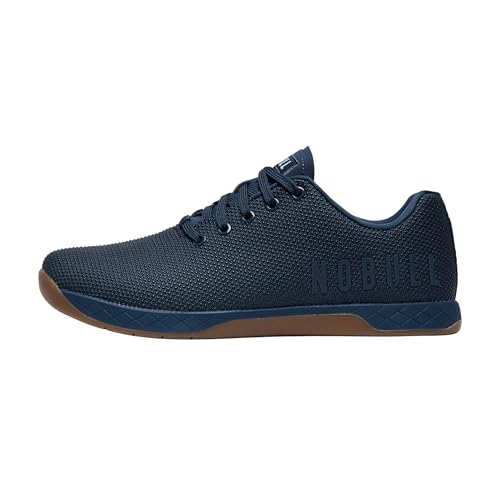
NOBULL Men’s Outwork Shoe

NOBULL Men’s Outwork Edge Shoe

NOBULL Women’s Allday 365 Ripstop
Why These Options Stand Out
The Caven Chivas lives in that sweet spot between retro court shoe and modern casual sneaker. PUMA built this one for the everyday rotation, the kind of pair you grab when you want something polished enough for coffee runs but relaxed enough to wear all afternoon. Unlike the barefoot-leaning UBFEN below, this one brings traditional cushioning and a familiar lace-up closure that feels intuitive from day one.
It sits naturally low to the foot, so the silhouette stays clean even with cuffed denim or cropped trousers. If your closet leans toward minimalist staples and you don’t need gym-grade tech, the Caven Chivas earns its place as a wardrobe anchor.
A Favorable Mix
- Court-inspired profile that pairs easily with jeans, chinos, and casual shorts
- Low-slung silhouette that won’t bulk up your outfit
- Lace-up fit you can adjust precisely across the instep
- Familiar PUMA build quality aimed at everyday wear
Points To Note
- Not engineered for serious athletic output or lateral training
- Style leans casual, so it may feel out of place in dressier settings
Who Will Love This
Wardrobe-focused shoppers who want a versatile court-style sneaker for coffee shops, commutes, and casual weekends.
Look Elsewhere When
You need real training performance, where the NOBULL Men’s Outwork Shoe is a stronger match for gym sessions.
UBFEN takes the low-profile concept about as far as it can go by stripping out the heel entirely. A zero-drop sole means there’s no height difference between your heel and forefoot, encouraging a flatter foot strike and a more grounded stride. The wide toe box gives your toes room to splay naturally, which barefoot-style fans tend to prefer over the pinched fit of traditional sneakers.
After the PUMA Caven’s traditional cushioning, this one feels like a different philosophy entirely. You may find the thin sole takes some getting used to if you’re transitioning from standard sneakers, but for committed minimalist walkers, it’s a refreshingly honest build.
Notable Upsides
- Zero-drop platform supports a natural standing and walking posture
- Wide toe box lets your toes spread without compression
- Flexible rubber outsole bends with your foot for real ground feedback
- Low stack height keeps the silhouette minimal and grounded
Things To Consider
- Minimal cushioning may feel harsh if you’re used to padded trainers
- Transition period of a few weeks is common for barefoot newcomers
- Not built for high-impact running or heavy gym work
Who It Suits Best
Walkers and casual wearers curious about minimalist footwear who value natural foot movement over plush cushioning.
A Better Fit Elsewhere
For shoppers who want the streamlined look but need athletic capability, the NOBULL Women’s Allday 365 Ripstop is a more versatile alternative.
The Outwork sits in the gym-ready corner of the low-profile world, and it wears that role confidently. Where the PUMA Caven leans casual and the UBFEN goes minimalist, this one is purpose-built for the kind of varied training that includes rope climbs, box jumps, and tire flips. It runs low to the foot for stability during lateral movement, with a construction that’s designed to handle abrasion.
For athletes who want one pair that crosses into casual wear after the workout, the Outwork earns its place. The fit tends to run slightly narrow, so wider-footed shoppers may want to try before committing.
Where It Delivers
- Durable construction built for tough training environments
- Low-profile platform offers a stable base during lifts and lateral work
- Versatile enough to wear post-workout without looking out of place
- Designed to handle rope climbs, box jumps, and mixed sessions
Honest Caveats
- Tends to run narrower than standard sneakers, so sizing up may help wide feet
- Stiffer feel out of the box compared to casual lifestyle options
- Less breathable than mesh-forward designs during long sessions
Made For
Cross-training athletes and functional fitness enthusiasts who want one shoe that handles varied gym sessions and daily wear.
Reach For A Different Pick When
If you prioritize pure comfort for long walking days, the PUMA Mens Caven Chivas is a softer, more relaxed alternative.
The Outwork Edge builds on what the standard Outwork does well and pushes the grip harder. It’s designed with an upgraded traction pattern aimed at athletes who deal with quick pivots, rope work, and varied surfaces during a single session. The low-profile geometry stays consistent with the rest of the Outwork line, so you get that grounded feel without sacrificing agility.
Compared to the standard Outwork, this Edge version is the one to pick if your training leans heavily on grip. If your workouts stay simple, you may find the standard Outwork delivers enough traction at a friendlier price tier.
Useful Highlights
- Enhanced outsole pattern for stronger grip during pivots and climbs
- Maintains the low-profile, stable platform of the Outwork line
- Durable upper construction suited to mixed-discipline training
- Functional enough to wear casually between sessions
Trade Offs
- Marginal grip gains may not matter if your training stays low-intensity
- Sizing tends to mirror the standard Outwork, narrow for wide feet
Best Suited To
HIIT athletes and functional fitness regulars who want extra traction for varied, high-intensity workouts.
Swap It Out When
You mostly wear the shoe for casual outings, where the PUMA Mens Caven Chivas offers a softer, more lifestyle-oriented fit.
The Allday 365 closes the list with a shoe that genuinely lives up to its name. Ripstop fabric in the upper resists tearing and abrasion, which makes it a smart pick for anyone who treats their sneakers hard. The low-profile silhouette keeps it visually grounded, while the build leans toward the kind of all-day comfort that handles errands, walks, and lighter gym sessions without complaint.
Unlike the more specialized UBFEN barefoot build above, this one keeps a familiar ride for shoppers who don’t want to relearn how they walk. It threads the needle between athletic capability and casual wearability, which is exactly what most active shoppers want.
Where It Excels
- Ripstop upper resists tears and daily wear far better than standard mesh
- Low-profile design that looks clean with casual and active outfits
- Comfortable enough for long days on your feet
- Handles light training sessions alongside everyday wear
Small Limitations
- Not engineered for heavy lifting or advanced training programs
- Ripstop texture may feel stiffer than soft knit uppers at first
The Right Fit
Active women who want one reliable pair that handles commute, errands, gym, and weekend outings without skipping a beat.
Another Choice May Suit
If minimalist barefoot feel is your priority, the UBFEN Womens Barefoot Shoes offer a more grounding alternative.
How To Pick The Right Low Profile Tennis Shoes
The right pair comes down to what your day actually looks like. A clean court-style silhouette makes sense if your life runs on coffee shops, commutes, and weekend plans. A barefoot or minimalist build makes sense if you care about natural foot movement and don’t mind a thinner sole. A training-focused build earns its place when your week includes gym sessions with real lateral movement and varied terrain.
Fit matters more than brand. Low-profile shoes sit closer to the foot, so a half-size shift can change the whole feel. Try them later in the day when your feet are slightly swollen for a more realistic sense of how they’ll wear across a full afternoon.
Materials drive longevity. Ripstop and synthetic overlays tend to handle abrasion better than soft mesh, especially if you’re hard on shoes. Mesh breathes more freely, which matters in warmer climates or longer walks.
Outsole grip is the quiet differentiator. A flat, smooth outsole looks clean but offers less traction on wet pavement. Textured or patterned outsoles grip better and tend to age more gracefully as the tread wears.
Sizing and Width
Low-profile shoes often run narrower than traditional sneakers because the last (the foot-shaped form shoes are built around) is designed for a snug, low ride. If you have wider feet, look for brands that offer wide options or size up half a step.
Intended Use
Be honest about what you’ll actually do in them. A shoe marketed for casual wear rarely handles real training, and a training shoe often feels stiff for all-day casual use. The five picks above each lean toward a specific use, so matching that lean to your real routine is the smartest move.
Key Considerations Across These Picks
Common Shopping Slip Ups
The biggest mistake is buying based on looks alone, then expecting the shoe to handle activities it was never built for. A court-style sneaker isn’t designed for box jumps, and a minimalist barefoot shoe won’t feel right on a long day of walking if your feet aren’t used to thin soles.
Another slip is ignoring width. Low-profile silhouettes often run narrower, and shoppers who need wide sizes end up with cramped toes. Checking the brand’s width options before ordering saves the hassle of returns.
What The Higher Tier Buys
Stepping up in the NOBULL line, for instance, generally means upgraded outsole traction, tougher upper materials, and more refined construction. That extra material science matters most if your training includes varied movements or rough surfaces. For shoppers who mostly wear sneakers casually, the basic tier usually delivers plenty of value. The upgrade earns its keep when the shoe gets put through real athletic use.
Frequently Asked Questions
What makes a tennis shoe “low profile”?
A low-profile tennis shoe sits closer to the ground with a thinner midsole stack height than traditional trainers. That reduced height creates a streamlined silhouette and a more grounded feel underfoot.
Are low profile tennis shoes good for running?
They’re better suited to walking, casual wear, and lighter training. Serious running typically benefits from more cushioning and structured support than most low-profile designs offer.
How should low profile tennis shoes fit?
They should fit snugly through the midfoot with enough room in the toe box for natural splay. Because the shoes sit lower, a half-size adjustment can shift the whole feel, so try them on later in the day for an accurate sense of fit.
Can I wear low profile tennis shoes to the gym?
That depends on the build. Lifestyle-oriented designs handle walking and light workouts well, while training-specific low-profile options like the NOBULL Outwork can manage varied gym sessions with real lateral movement.
How do I clean low profile tennis shoes?
A soft brush and mild soap work well on most uppers, including ripstop and synthetic mesh. Avoid machine washing, which can break down adhesives and warp the low-profile shape over time.
The Takeaway
The right low-profile tennis shoe is the one that matches your actual day, not just the silhouette you like best. Court-style picks earn their keep for casual wardrobes, minimalist builds for natural-movement fans, and training-forward options for gym routines. Match the shoe to the use case, and the rest tends to fall into place.