Walking feels effortless when your shoes actually wrap the way your foot needs them to. Narrow-footed walkers often deal with the opposite: extra room sliding around the heel, fabric bunching over the arch, and a fit that loosens up within a few blocks. The picks below lean toward lower-volume lasts, snug midfoot wraps, and lacing systems that let you fine-tune tension across the forefoot without crushing your toes. Each one solves a slightly different version of that problem.
The Main Contenders
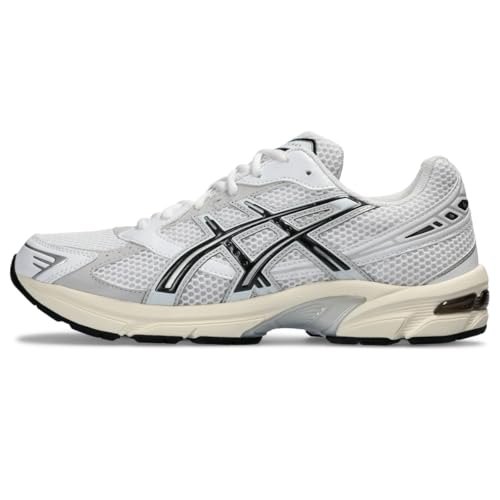
ASICS Men’s GEL-1130 Sportstyle Shoes

Brooks Men’s Adrenaline GTS 22

Brooks Men’s Ghost 14

ASICS Men’s Gel-Contend 9
WHITIN Men’s Wide Running Shoes S82

WHITIN Men’s Wide Toe Box Walking Shoes S85
WHITIN Men’s Wide Barefoot Shoes W710
More Details On Our Top Picks
Walking through city blocks or pacing a long airport terminal, the GEL-1130 leans on a streamlined silhouette borrowed from a stability silhouette that debuted back in 2008. The upper blends suede paneling with traditional overlays, which gives the shoe a closer, lower-volume wrap than most of the cushioned trainers sitting next to it on the rack.
For narrow-footed walkers, that profile changes the whole equation. Suede holds its shape, laces pull tight across a slim arch, and GEL cushioning under the heel softens impact without forcing extra interior width. Owners commonly find the break-in window short, and the shoe tends to feel snug from day one rather than waiting to mold.
Advantages To Know
- Streamlined last that suits slim feet straight out of the box
- Suede overlays add structure without bulk, helping the heel stay locked
- Rearfoot GEL cushioning softens pavement impact on long walks
- Lace eyelets sit close enough together for precise midfoot tensioning
- Stable platform that handles quick turns without twisting underfoot
Worth Noting
- Suede sections need occasional brushing to keep their clean look
- Heritage colorways can clash with more technical walking outfits
- Less ventilation than mesh-heavy trainers on hot summer routes
Made For
Daily walkers with a true narrow or low-volume foot who want one shoe that handles commuting, errands, and casual weekend miles without slipping in the heel.
Swap It Out When
Runners logging real distance or anyone needing pronation control should reach for the Brooks Adrenaline GTS 22 instead, since it carries structured support this heritage silhouette lacks.
When your foot rolls inward more than it should, a stability trainer keeps the stride honest without feeling like a brace. The Adrenaline GTS 22 uses Brooks’ GuideRails system, which is essentially firm side posts that curb excess motion only when your gait drifts too far. Everything else stays soft and natural.
For narrow-footed walkers, the trick is what happens at the laces. Pull them snug and the shoe hugs the midfoot properly. Compared with the GEL-1130 above, this one carries more structure under the arch and a slightly roomier forefoot, so it rewards people who lace carefully and need real pronation guidance.
What Helps Most
- GuideRails stabilize inward roll without forcing a rigid ride
- Midsole cushioning absorbs impact on longer neighborhood walks
- Engineered mesh upper adapts to narrow lacing patterns
- Durable rubber outsole holds up on varied pavement
Points To Keep In Mind
- Premium positioning puts it well above budget alternatives
- Stability hardware adds slight weight compared with neutral shoes
- Color selection rotates frequently through the season
Key Product Details
Best Suited To
Walkers who overpronate, carry mild knee or arch discomfort, and need structured guidance through every stride.
Consider Something Else When
Neutral walkers without stability needs may find the Brooks Ghost 14 more forgiving and just as comfortable for everyday mileage.
The Ghost line has earned its reputation by not doing anything annoying. No aggressive stability posts, no overbuilt heel counters, no flashy gimmicks. Just soft cushioning and a neutral last that works for the majority of feet, narrow included.
Pulled on a slim foot, the Ghost 14 hugs without squeezing. The midsole stack protects pavement pounding, and the engineered upper breathes well on warm days. Compared with the Adrenaline GTS 22 above, this one skips the GuideRails, so walkers without pronation issues get a smoother ride without paying for hardware they would never use.
Where It Excels
- Neutral platform suits narrow-footed walkers who don’t need stability posts
- Soft midsole keeps feet comfortable during all-day wear
- Lightweight build reduces fatigue on long sessions
- Plush interior lining feels broken-in from the first walk
Trade Offs
- Lacks structured pronation support for walkers who roll inward
- Some owners report the toe box feeling roomier than expected
- Premium construction comes at a higher tier of investment
Right Fit For
Neutral walkers with narrow feet who rack up serious mileage and want a versatile daily trainer that handles commute, gym, and weekend trails without complaining.
A Better Fit Elsewhere
Walkers needing firm arch control or who overpronate should consider the Adrenaline GTS 22, since its stability hardware does the work the Ghost intentionally leaves out.
Walking shoes don’t have to break the bank to fit narrow feet well. The Gel-Contend 9 is ASICS’ entry-level road trainer, built for the walker who wants GEL cushioning and a polyester-based upper without stepping into premium territory.
For narrow-footed walkers, the value proposition matters. Compared with the GEL-1130 earlier in this list, the Contend 9 trades suede overlays for a lighter mesh construction, which breathes better but lets the foot move more. Owners commonly find that tightening the laces across the midfoot solves most slip issues, since the rearfoot GEL absorbs what the upper cannot lock down.
The Upside
- Affordable entry into ASICS’ GEL-cushioned lineup
- AMPLIFOAM midsole softens impact during casual walks
- OrthoLite sockliner adds a comfortable step-in feel
- Lightweight build works well for short neighborhood loops
Honest Caveats
- Less structure than suede-equipped siblings like the GEL-1130
- Trusstic plate adds stability but reduces natural foot flex slightly
- Outsole rubber tends to wear faster on rough pavement
Quick Facts
Who Should Grab It
Budget-minded walkers with narrow or average feet who want GEL cushioning for short daily routes without the higher cost of premium trainers.
Reach For A Different Pick When
Walkers wanting suede structure and a heritage fit that locks the heel better should consider the ASICS GEL-1130, since its overlays create a snugger overall hold.
Zero-drop shoes sit flat from heel to toe, no elevated heel wedge. The S82 from WHITIN uses that geometry on a wide platform, which sounds contradictory for narrow feet, but the lacing system is what saves it. Pull tight and the shoe cinches down to almost any foot shape.
The rubber outsole handles pavement credibly, and the upper mesh breathes well during long walks. For narrow-footed walkers who like precise lacing control, this shoe rewards a careful fit. Compared with the Brooks Ghost 14 above, the S82 trades plush cushioning for a flatter, more grounded feel underfoot.
Real-World Strengths
- Wide last cinches down with lacing for narrow-foot adjustment
- Zero-drop geometry encourages natural midfoot strikes
- Rubber outsole grips well on dry pavement and light trails
- Affordable pricing makes it easy to try the barefoot category
Small Caveats
- Zero-drop geometry takes adjustment if you’re used to heel-elevated shoes
- Wide platform can feel loose without aggressive lacing
- Cushioning is minimal compared with traditional trainers
Perfect Match For
Curious walkers with narrow feet who want to try a grounded, minimalist ride without committing to premium barefoot brands.
Skip It When
Walkers needing plush cushioning for joint sensitivity should choose the Brooks Ghost 14 instead, since its neutral midsole absorbs far more impact per step.
The S85 shifts WHITIN’s wide-platform idea toward walking specifically, with a broader toe box that lets the forefoot spread naturally while the heel and midfoot stay closer to a traditional silhouette. For narrow-footed walkers, that combination solves a common puzzle: cramped toe splay with too-loose heel hold.
Pulled tight through the laces, the midfoot hugs properly. The toe box gives your forefoot breathing room without sliding around. Compared with the S82 above, this one is built for walking rather than running, so the rubber outsole patterns prioritize smooth pavement transitions over athletic agility.
Useful Highlights
- Wide toe box accommodates natural forefoot splay
- Zero-drop sole keeps the gait pattern grounded and consistent
- Rubber outsole grips pavement reliably during daily walks
- Budget pricing makes it accessible for first-time minimalist walkers
Less Ideal Details
- Toe box width can feel excessive on truly narrow feet
- Minimal cushioning may disappoint walkers used to plush trainers
- Construction tends to show wear sooner than premium alternatives
Built With In Mind
Walkers who want toe splay freedom but still need a snug midfoot lock, especially those transitioning from conventional trainers into more natural footwear.
Another Choice May Suit
Walkers prioritizing plush cushioning over natural toe spread should look at the Brooks Ghost 14, which delivers a softer ride for all-day comfort.
The W710 stands apart with a tire tread-inspired outsole, which sounds bold but functions simply: deeper lugs grip uneven ground while the flat zero-drop geometry keeps your foot in its natural position. For narrow-footed walkers who hit gravel paths or grassy shortcuts, that traction matters more than extra cushioning.
The wide platform still laces tight across a slim foot, and the barefoot-style upper gives minimal interference with toe movement. Compared with the ASICS GEL-1130 that opened this list, the W710 is unapologetically niche: less heritage polish, more grounded utility. For walkers who split time between pavement and trail, that’s an honest trade.
Well-Handled Touches
- Tire tread-inspired lugs grip loose surfaces like gravel or grass
- Zero-drop geometry encourages natural gait on uneven terrain
- Flexible upper lets toes spread freely during off-road sections
- Rubber outsole holds up well across mixed surfaces
Potential Drawbacks
- Barefoot construction means very little underfoot cushioning
- Deep lugs can feel chunky on smooth indoor surfaces
- Style leans utilitarian rather than everyday-casual
Feature Rundown
Whose Shelf It Belongs On
Narrow-footed walkers who split routes between pavement and rougher surfaces and want barefoot-style ground feel with reliable traction.
Where A Sibling Pick Shines
Walkers sticking mostly to sidewalks and treadmill miles will find the ASICS Gel-Contend 9 easier on the joints, since its AMPLIFOAM midsole absorbs far more impact.
Picking The Right Walking Shoe For A Slim Foot
Last shape matters more than most shoppers realize. A last is the molded form a shoe is built around, and narrow feet need lasts designed for slimmer dimensions. Look for terms like “narrow” or “B width” in product specs, since standard D-width lasts will leave room you don’t want.
Midfoot lockdown solves more fit problems than toe-box width does. Run your laces through every eyelet, including the extra ones near the ankle, and skip the “skip-a-eyelet” habit. Tightening across the arch pulls the upper inward, which compensates for a roomy forefoot without cramping the toes.
Cushioning depth should match your walking terrain and joint sensitivity. Plush midsoles like Brooks’ DNA LOFT or ASICS’ GEL setups absorb concrete impact, while zero-drop minimalist shoes build strength but require gradual adaptation. Walkers with knee or arch issues usually do better with structured cushioning.
Outsole rubber compounds and lug depth dictate where you can comfortably walk. Smooth pavement calls for low-profile rubber for grip without weight. Mixed surfaces with gravel, grass, or wet conditions benefit from deeper lugs, like those on the W710, which channel debris away from the contact patch.
Key Considerations Across These Picks
Mistakes Worth Dodging
Going up half a size to “fix” heel slip usually creates more problems than it solves. A half-size jump adds length you don’t need and lets the foot slide forward, which creates new pressure points at the toe box. The honest fix is tighter lacing through the top eyelets, not extra length.
Assuming “wide” shoes only fit wide feet overlooks how a wide last cinches under proper lacing. Narrow-footed walkers often find that wide-platform shoes, like the WHITIN S82 or S85, actually lock better than standard lasts when laced aggressively. The volume is adjustable in a way standard shoes cannot match.
Where The Extra Money Goes
Premium walking shoes invest in midsole compounds that recover their bounce over time. Cheaper foams compress permanently after a few hundred miles, which turns cushioning into flat cardboard. Structured stability systems like Brooks’ GuideRails also add cost because they use firmer plastics engineered to flex only where your gait drifts too far.
Higher-tier construction also means more durable uppers, better abrasion resistance on the outsole rubber, and quality control that catches stitching flaws before they reach your foot. For walkers logging serious weekly mileage, that durability shows up as fewer replacement cycles and more consistent support across the shoe’s life.
Frequently Asked Questions
How do I know if my feet are actually narrow?
Try the wet-foot test. Step on a dark surface with a wet foot, then compare the print’s width to standard sizing charts. Narrow feet leave prints where the forefoot and heel are noticeably narrower than average. Most shoe brands use D as standard men’s width, with B marking narrow.
Should I size down to compensate for a roomy fit?
Sizing down creates length problems that often hurt more than they help. Instead, focus on lacing technique. Use every eyelet, especially the top ones, and pull firm across the midfoot. Most narrow-foot complaints improve dramatically with proper lacing rather than size changes.
Are zero-drop shoes safe for narrow feet?
Zero-drop geometry doesn’t change shoe width, so narrow feet still work fine. The real adjustment is muscular, since your calves and Achilles handle a flatter landing pattern. Start with short walks and build distance gradually, just as you would with any new shoe style.
Can I use running shoes for walking?
Yes, mostly. Running shoes and walking shoes share similar construction: cushioned midsoles, supportive uppers, rubber outsoles. The main difference is heel flare and flex patterns. Walking-specific shoes often have smoother heel-to-toe transitions, but a good running shoe handles walking duties without issue.
How often should I replace walking shoes?
Most walking shoes last between 300 and 500 miles before cushioning breaks down and support fades. Track your weekly mileage or rotate two pairs to extend life. Once the midsole feels flat or you notice new aches appearing in your knees or arches, it’s time for a replacement.
Closing Remarks
The right walking shoe for narrow feet comes down to fit, lockdown, and honest matching between shoe geometry and your walking terrain. Heritage silhouettes like the GEL-1130 deliver structured snugness for daily routes, while Brooks’ lineup adds stability and cushioning when joints need help. Minimalist options from WHITIN let you tune the fit through lacing alone, which works beautifully for slim feet willing to lace carefully. Pick the shoe that matches your walking life, lace it properly, and your feet will thank you within the first few blocks.