A good pair of mid top hiking shoes sits in a sweet spot most hikers overlook. They wrap the ankle enough to handle uneven terrain and loose scree, yet stay light and breathable enough for warm-weather day hikes and weekend backpacking. The right pair disappears on your feet within the first mile and keeps your ankles happy on mile ten. This list pulls together seven options worth your attention, mixing trusted mainstays with newer designs built for faster, lighter movement on the trail.
The Picks In Brief

Merrell Men’s Moab 3 Hiking Shoe

Merrell Men’s Moab 3 Mid Hiking Boot
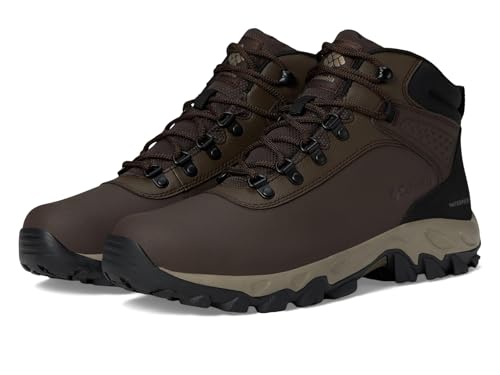
Columbia Newton Explorer

Merrell Men’s Moab 3 Mid Waterproof Hiking Boots

KEEN Men’s Targhee 4 Waterproof Hiking Shoes

KEEN Men’s KS86 Retro Style Sneakers
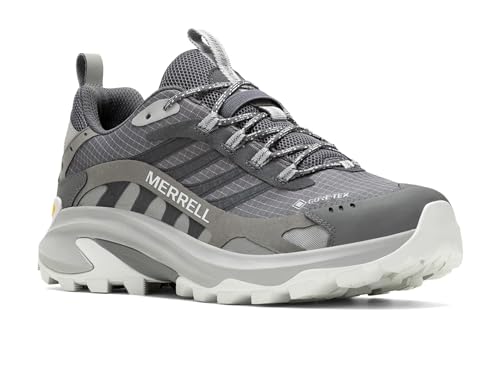
Merrell Moab Speed 2 GTX
Inside Each Recommended Option
The Moab line has earned its reputation over many seasons, and the third version keeps the formula that works: a supportive insole, a cushioned midsole, and a Vibram outsole (a high-traction rubber sole from a well-known Italian maker) for grip on loose dirt and rocky switchbacks. Where the Moab 3 differs from the mid-cut Merrell options later on this list is its low-top silhouette, which trades ankle wrap for ventilation.
If you walk a lot of flat, well-groomed trail with the occasional rocky stretch, the low-cut Moab 3 keeps things light and quick. New hikers tend to love the immediate comfort, while veterans may find it better suited as a camp shoe or warm-weather companion. Compared to the waterproof mid above, this version runs cooler but offers less protection from rain and sharp scree.
Useful Touches
- Cushioned midsole softens impact during long day hikes
- Vibram outsole grips well on wet rock and loose gravel
- Supportive insole reduces foot fatigue over multi-hour walks
- Lightweight construction suits fast hikers and travelers
- Breathable upper keeps feet cool in summer conditions
Things To Consider
- Low-cut collar offers little ankle support on uneven terrain
- Mesh upper can let in water during stream crossings
- Sizing runs slightly narrow, so wider feet may want to size up
Who It Suits Best
New hikers and casual walkers who stick to dry, moderate trails and want a comfortable shoe right out of the box.
Skip It When
Wet or rugged terrain calls for the Merrell Moab 3 Mid Waterproof Hiking Boots instead, since that model adds ankle coverage and a sealed lining.
Step up from the low-cut version and the mid-cut Moab 3 adds a padded ankle collar that helps stabilize the joint on rocky descents. The shoe keeps the same Vibram outsole and cushioned midsole platform as the original, so comfort stays familiar from the first pair. It’s the boot most people picture when they think of a classic American hiking shoe.
Day hikers tackling moderate trails with roots and rocks will appreciate the extra support, especially when carrying a loaded pack. The mid-cut also helps keep debris out better than the low-top Moab 3. Where this non-waterproof version differs from the Moab 3 Mid Waterproof reviewed next is breathability: this one vents better, but won’t laugh off a soaked trail.
Standout Benefits
- Padded mid-cut collar stabilizes the ankle over uneven ground
- Vibram outsole delivers confident traction on varied terrain
- Cushioned midsole absorbs shock during long descents
- Proven Moab last fits comfortably with minimal break-in
Honest Caveats
- Standard upper soaks through in sustained wet weather
- Slightly heavier than the low-cut sibling on the same foot
Quick Facts
Made For
Intermediate hikers who want ankle support without committing to a heavy backpacking boot.
Look Elsewhere When
You regularly hike in wet or muddy conditions, where the Merrell Moab 3 Mid Waterproof Hiking Boots will serve you better.
The Newton Explorer leans into wet-weather hiking with Columbia’s Omni-Tech waterproof bootie construction layered beneath a waterproof leather upper. A Techlite midsole keeps weight down and rebounds well, which matters when a wet trail slows your pace. Metal hardware eyelets add durability you usually only see on heavier boots.
Compared to the Moab 3 Mid Waterproof on this list, the Newton Explorer uses a leather upper that resists abrasion better in brushy sections. Hikers who run into stream fords, morning dew, or Pacific Northwest drizzle will get plenty of use from the waterproof build. The tradeoff shows up in warm, dry climates where breathability suffers compared to a mesh-based shoe like the Moab 3.
Key Advantages
- Waterproof leather upper shrugs off puddles and wet brush
- Techlite midsole provides lightweight cushioning and energy return
- Metal hardware eyelets outlast plastic on rough terrain
- Omni-Tech bootie seals out moisture during stream crossings
Worth Noting
- Leather upper runs hotter than mesh options in summer
- Break-in period tends to run longer than fabric hiker uppers
Best Suited To
Hikers in wet climates who prioritize dry feet over maximum ventilation.
Consider Something Else When
You mostly hike desert or summer trails, where the lighter KEEN Targhee 4 Waterproof Hiking Shoes will feel less stifling.
The waterproof sibling of the Moab 3 Mid takes everything people like about the standard version and seals it against rain, snowmelt, and muddy spring trails. A waterproof membrane sits inside the boot while the mid-cut collar holds the ankle steady on loose terrain. The Vibram outsole stays grippy when conditions turn slick.
Shoulder-season hikers, early-morning starters, and anyone who refuses to bail on a planned trip because of weather will appreciate this boot. It’s a logical upgrade over the standard Moab 3 Mid for hikers in wet regions. Compared to the Columbia Newton Explorer’s leather build, this version breaks in faster and feels lighter on foot, though it offers less abrasion resistance in dense brush.
Positive Takeaways
- Waterproof membrane keeps feet dry through puddles and rain
- Mid-cut collar stabilizes ankles on rocky, root-strewn trails
- Vibram outsole grips confidently on wet rock and mud
- Familiar Moab fit means minimal break-in for past Moab owners
- Cushioned midsole handles long days on the trail comfortably
Trade Offs
- Waterproofing reduces breathability in warm, dry weather
- Heavier than the non-waterproof Moab 3 Mid version
- Membrane can lose effectiveness once worn through over time
Right Fit For
Hikers who refuse to let wet weather end their season and want a reliable waterproof mid-cut boot.
Reach For A Different Pick When
You mostly hike in dry, warm climates where the lighter Merrell Moab Speed 2 GTX would breathe better on fast days.
The Targhee 4 represents KEEN’s fourth refinement of a hiker that originally set itself apart with a wider toe box and a direct-attach construction (where the upper is glued directly to the outsole without stitching, improving durability). A fused upper and KEEN.DRY waterproof lining stand up to repeated creek crossings and surprise rainstorms. The aggressive outsole lugs bite into soft trail surfaces.
Hikers with wider feet or anyone tired of narrow lasts will likely find the Targhee 4’s roomier forefoot a relief on long descents. The shoe competes head-on with the Moab 3 Mid Waterproof for the wet-trail crown, though KEEN’s wider fit changes the equation for many shoppers. Where this low-cut differs from the mid-top Moab 3 Mid Waterproof is ankle coverage: this model runs breezier but offers less lateral stability.
Where It Helps
- Wider last accommodates broader feet without squeezing toes
- KEEN.DRY waterproof lining seals out moisture reliably
- Direct-attach construction boosts long-term durability
- Aggressive lugs grip soft dirt and loose scree
- Comfortable feel right out of the box
Minor Gripes
- Low-cut collar leaves the ankle exposed on uneven ground
- Heavier feel than mesh-forward competitors
- Toe box can feel roomy for hikers with narrow feet
Quick Facts
Whose Shelf It Belongs On
Hikers with wider feet who want a durable waterproof shoe for multi-day day hiking.
Swap It Out When
Ankle support is the priority, in which case the Merrell Moab 3 Mid Waterproof Hiking Boots deliver a more protective mid-cut collar.
The KS86 steps outside the traditional hiking category with a retro-styled silhouette built on KEEN’s wider footwear foundation. A recycled mesh or environmentally preferred leather upper wraps an aggressive tread pattern that handles gravel paths, park trails, and city sidewalks with equal ease. It’s more of a crossover shoe than a true backcountry hiker.
Town-to-trail wearers who want one pair of shoes for coffee runs and easy trails will appreciate the KS86’s versatility. The aggressive lugs handle dirt and gravel better than a typical sneaker. Where this differs from every other pick on the list is its casual aesthetic, which trades technical trail performance for style, and its lack of a waterproof membrane.
Bright Spots
- Retro silhouette works for casual everyday wear
- Aggressive tread handles light trails and gravel paths
- Wider last suits shoppers who find most sneakers too narrow
- Recycled mesh and leather options suit style preferences
Points To Keep In Mind
- No waterproof membrane means wet feet in rain or puddles
- Limited ankle support rules out rugged backcountry use
- Casual styling isn’t ideal for serious trail performance
Who Should Grab It
Light hikers and casual wearers who want a stylish shoe with real grip for easy paths.
Not Your Match When
You need real trail performance and waterproofing, in which case the Merrell Moab 3 Mid Waterproof Hiking Boots are the more capable choice.
The Moab Speed 2 GTX takes the well-known Moab platform and trims the weight for hikers who want to move faster. A Vibram TC5+ outsole (a Vibram rubber compound engineered for athletic hiking) is paired with redesigned traction lugs for better grip on technical terrain. The GTX designation signals a Gore-Tex waterproof membrane (a thin, waterproof, and windproof lining that keeps rain out while letting sweat escape) that keeps rain and stream water out without sealing in too much heat.
Fast hikers, trail runners transitioning to technical terrain, and anyone who treats hiking like cardio will appreciate the lighter build. The Speed 2 competes more directly with low-top trail runners than with the heavier Moab 3 Mid Waterproof. The trade-off shows up in load-carrying capacity: this shoe is happier with a daypack than a full overnight kit.
Features That Help
- Vibram TC5+ outsole grips technical, loose terrain
- Gore-Tex membrane seals out rain while remaining breathable
- Lightweight construction suits fast-paced trail efforts
- Redesigned traction lugs improve grip on ascents and descents
- Sporty last feels agile on rolling, rooty terrain
Things To Weigh
- Less supportive under heavy pack loads than the Moab 3 Mid
- Lower stack height reduces cushioning on long, hard trails
- Premium positioning may stretch some budgets thin
Perfect Match For
Active hikers and trail runners who want a waterproof shoe that handles technical ground at speed.
Where A Sibling Pick Shines
Multi-day backpackers carrying heavier loads will get more support from the Merrell Moab 3 Mid Waterproof Hiking Boots.
What To Weigh Before Picking Your Pair
Matching The Cut To Your Terrain
Mid top hiking shoes earn their place by adding ankle coverage that low-top hikers skip. On rocky, root-heavy trails, that extra support reduces the chance of a rolled ankle when you misjudge a step. On smoother paths, the same collar can feel like dead weight, and a low-cut option may serve you better.
Most shoppers do well with a mid-cut for general hiking because it handles surprises without overcommitting to a heavy boot. The ankle collar also helps keep grit, pebbles, and trail debris out of the shoe, which matters on long descents where stops stop mattering.
Waterproof Vs Breathable
A waterproof membrane is a real asset in wet climates, on rainy shoulder-season trips, and across stream-heavy trails. The cost is breathability, since the same membrane that blocks water also slows heat and sweat from escaping. In dry, hot conditions, that trade can leave your feet damp from sweat rather than rain.
Non-waterproof shoes breathe far better and dry faster when they do get wet, which makes them appealing for warm-weather hikers. If you hike in a single region, match the membrane to your climate; if you travel widely, a waterproof mid is usually the safer bet.
Fit And Last Shape
Two hikers can wear the same size in completely different shoes and have totally different experiences. Brand lasts (the foot-shaped molds around which shoes are built) vary, and Merrell, KEEN, and Columbia each cut their shoes a little differently. KEEN tends to run wider in the forefoot, while Merrell leans narrower through the midfoot.
Trying shoes on late in the day, with the socks you actually hike in, gives you a much more honest fit than a morning try-on. A thumb’s width at the toe is a good starting point for downhill comfort, and any hot spots in the store tend to get worse on the trail.
Sole Grip And Lug Pattern
Outsole lugs are the rubber teeth on the bottom of a hiking shoe that bite into dirt, mud, and rock. Deeper, wider-spaced lugs shed mud and grip soft surfaces better, while flatter patterns suit pavement and hardpack. The Vibram outsoles common across this list deliver reliable traction across most conditions.
A grippier outsole helps on loose terrain, wet rock, and scree slopes where footing gets tricky. Lugs that are too aggressive can feel clumsy on flat trails and wear faster on pavement. Match the lug depth to the roughest ground you actually walk on.
Key Considerations Across These Picks
Mistakes Worth Dodging
A common slip-up is buying a waterproof shoe for hot, dry trails and wondering why feet stay clammy all day. Match the membrane to your climate rather than the feature list. Another misstep is choosing boots a half-size too small, since feet swell on long descents and a cramped toe box turns a great hike into a blister test.
Sizing up by a half size for downhill comfort, breaking in new shoes on short walks before a big trip, and replacing laces that have lost their bite all pay off more than shoppers expect. Wearing cotton socks with hiking shoes also wrecks comfort, since cotton holds moisture against the skin and encourages blisters.
Where The Extra Money Goes
Premium hiking shoes spend your money on lighter midsoles, grippier outsoles, and better waterproof membranes. The Moab Speed 2 GTX, for example, uses a Vibram compound designed for athletic movement rather than basic hiking traction. Higher tiers also tend to use stronger upper materials and direct-attach construction that holds up over more seasons.
For casual day hikers, a mid-tier option covers nearly every need. The upgrade matters most for backpackers, fast hikers, and anyone whose shoes see dozens of wet crossings a year. Spending up pays off when the extra durability and lighter weight save you from replacing boots every season.
Frequently Asked Questions
How Should Mid Top Hiking Shoes Fit?
Mid top hiking shoes should feel snug in the heel and midfoot with about a thumb’s width of room in front of your toes. The ankle collar should hug without pinching, since a loose collar can rub on long descents. Try them on with the socks you plan to hike in for the truest fit.
Are Mid Top Hiking Shoes Good for Backpacking?
Mid top hiking shoes can work for backpacking on well-maintained trails with light loads. For multi-day trips with heavier packs or rough terrain, a stiffer mid-cut hiking boot offers more support under load. Match the shoe to the lightest pack weight you actually carry.
Can You Run In Mid Top Hiking Shoes?
The lighter, athletic-leaning options on this list, like the Moab Speed 2 GTX, handle running on moderate trails comfortably. Heavier waterproof boots are clunkier at speed and tend to lack the flexibility most runners want. Trail runners may prefer a dedicated trail running shoe for serious mileage.
How Long Do Mid Top Hiking Shoes Last?
Most mid top hiking shoes last through several hundred miles of typical trail use before the outsole and cushioning break down. Rotating between two pairs and letting each dry fully between hikes tends to extend their lifespan. Heavier hikers and backpackers may see shorter lifespans than day hikers.
Are Mid Top Hiking Shoes Warmer Than Low Tops?
Mid top hiking shoes do run slightly warmer than low-cut versions because the ankle collar adds coverage that traps heat. The difference is usually small, and many hikers barely notice it. Waterproof membranes add more warmth than the collar height itself.
Closing Thoughts
The right mid top hiking shoes come down to the trails you actually walk and the weather you actually face. A waterproof mid like the Moab 3 Mid Waterproof or KEEN Targhee 4 covers wet climates well, while a lighter low-cut like the Moab 3 breathes better in dry heat. Match the cut, the membrane, and the fit to your conditions, and you’ll spend more time enjoying the trail and less time fussing with your feet.