Minimalist footwear has moved well past the barefoot crowd. Today’s pared-down shoes show up on trailheads, gym floors, lake docks, and morning commutes, and the category now spans serious mountain miles, light water use, casual everyday miles, and true zero-drop designs. The right pair feels almost invisible underfoot while still protecting you from the ground, and choosing between them gets confusing fast when cushioned trail runners, water-ready aqua shoes, and barefoot-style flats all sit on the same shelf. This roundup sorts four distinct options by where they actually shine, so you can match the shoe to the surface you spend the most time on.
The Lineup, Simplified

SCARPA Spin Planet Trail Running Shoes

Stelle Water Shoes for Women
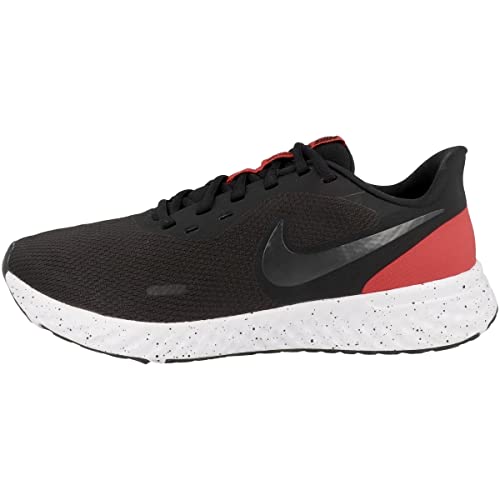
Nike Men’s Revolution 5 Running Shoes
WHITIN W710 Barefoot Zero-Drop Shoes
Inside Each Recommended Option
SCARPA built the Spin Planet for trail runners who want a generous, cushioned ride without ignoring where the materials come from. The shoe uses recycled content in the upper, midsole, and outsole, so the sustainability angle is woven through the whole construction rather than tacked on as a marketing line.
On real trails, the cushioning softens rocky descents while the platform still feels closer to the ground than a max-stack trainer. Runners logging long distances on mixed terrain will appreciate how the shoe balances protection with a relatively low profile.
Real-World Strengths
- Recycled content in upper, midsole, and outsole reduces material footprint
- Cushioned platform eases fatigue during longer trail outings
- Trail-ready outsole grips mixed terrain from dirt to loose gravel
- Lower stack height keeps foot position more natural than bulky trainers
Trade-Offs Worth Weighing
- Heavier than stripped-down trail flats, so ultralight packers may notice
- Recycled mesh can dry slowly after stream crossings
Key Product Details
Whose Trail Bag It Belongs On
Trail runners who want a cushioned, eco-considered shoe for long, mixed-surface days.
A Better Fit Elsewhere
Reach for the WHITIN W710 if your priority is a true zero-drop, barefoot-style feel rather than cushioned trail support.
The Stelle water shoe takes the minimalist idea somewhere most trail runners can’t follow: straight into the lake. It’s a lightweight, quick-drying aqua shoe designed for swimming, paddling, and shoreline walking where you need grip on slick rocks but don’t want a heavy sandal.
Compared to the SCARPA Spin Planet, this shoe strips out cushioning and trail protection entirely. In return, you get something that packs flat in a suitcase, slips on in seconds, and handles wet surfaces without bogging down.
What Makes Sense
- Lightweight build disappears in a beach bag or carry-on
- Slip-on profile saves time when shifting from sand to water
- Aquatic-friendly design sheds water quickly between dips
Honest Caveats
- Minimal structure means no real arch support for long walks
- Not built for pavement or rough trail use
- Sizing can run small, so trying on matters
Made For
Vacationers, lake-house regulars, and casual swimmers who want a packable shoe for wet shorelines.
Skip It When
Pick the SCARPA Spin Planet instead if your day involves dirt, rocks, and long miles rather than water.
The Nike Revolution 5 sits at the casual end of the running spectrum, a familiar trainer that doubles as an everyday shoe. It leans light and flexible compared to the SCARPA Spin Planet’s trail-ready build, trading rugged outsoles for a low-profile silhouette that works on sidewalks and gym floors.
For most commuters and casual runners, that balance is exactly the point. You get a recognized name, a clean look, and a shoe light enough to forget you’re wearing it, without committing to a specialty design.
Why It Works Well
- Recognizable, widely available silhouette from a major brand
- Lightweight construction suits casual miles and gym wear
- Versatile styling pairs with everyday outfits
- Lower price point than most specialty running shoes
Points To Note
- Color and size availability can be inconsistent at times
- Minimal structure means less support for high-mileage training
Right Fit For
Casual runners, students, and anyone wanting a light everyday trainer that handles short miles and gym sessions.
Consider Something Else When
Choose the WHITIN W710 if a true barefoot, zero-drop feel matters more than brand familiarity.
The WHITIN W710 is the most committed to barefoot philosophy in this lineup. A zero-drop platform means the heel and toe sit at the same height, and the wide toe box lets your toes spread instead of squeezing together. The tire-tread-inspired sole adds grip without piling on cushion.
Where the Nike Revolution 5 emphasizes casual comfort, the W710 emphasizes foot mechanics. Newcomers easing into minimalist footwear get an accessible entry point, while experienced barefoot fans get a versatile everyday option.
A Few Strong Suits
- True zero-drop geometry encourages a natural foot strike
- Wide toe box lets toes splay for better balance
- Tire-tread-inspired outsole grips varied surfaces
- Low price makes it easy to test the barefoot approach
Soft Spots To Consider
- Transitioning to zero-drop can strain calves and Achilles tendons if you ramp up too fast
- Minimal cushioning feels harsh on long concrete walks
- Wide fit won’t suit shoppers with narrow feet
Best Suited To
Beginners exploring barefoot style, wide-foot wearers, and anyone wanting a true minimalist feel for short daily outings.
Another Choice May Suit
Pick the Nike Revolution 5 if you’d rather ease in with a familiar cushioned trainer before committing to zero-drop.
What To Weigh Before Choosing Minimalist Footwear
Minimalist footwear rewards a clear sense of how and where you move. Start with terrain, because the surface dictates almost everything else. A trail-ready shoe like the SCARPA Spin Planet needs grip and protection that a lake shoe like the Stelle never has to deliver. Water shoes and barefoot flats each solve narrow problems well, while casual trainers like the Nike Revolution 5 cover the broad middle of daily use.
Drop and stack height matter more than most people expect. Drop is the height difference between heel and toe, and zero-drop designs like the WHITIN W710 keep that difference at zero. Lower drop shifts work toward the calves and feet, so new wearers should build up gradually rather than logging long days immediately.
Fit behaves differently across this category. Barefoot-style shoes need a wider toe box to let toes spread, while aqua shoes prioritize a snug, secure fit for wet surfaces. Width, strap design, and lacing all change the real-world feel, and reading user feedback on fit helps more than any spec sheet.
Smart Angles For Comparing These Picks
Pitfalls Shoppers Hit
The most common misstep is treating “minimalist” as a single category. A trail runner, a water shoe, and a barefoot flat look similar on a shelf but perform very differently. Match the shoe to the dominant surface you’ll actually walk or run on. Another trap is jumping straight into a zero-drop shoe like the WHITIN W710 without easing in, since the sudden change in geometry can strain feet and calves.
When Paying More Pays Off
Higher-tier minimalist shoes often earn the difference through recycled materials, more durable outsoles, and refined fit. A pair like the SCARPA Spin Planet uses recycled content in the upper, midsole, and outsole, and that kind of construction tends to hold up across more miles. Spending up makes sense when you log regular miles or want a shoe that lasts through varied conditions, while budget picks work fine for occasional, light use.
Frequently Asked Questions
What exactly counts as minimalist footwear?
Minimalist footwear is a broad category covering shoes with reduced cushioning, lower stack height, and less structure than traditional trainers. It spans barefoot-style flats, zero-drop designs, light trail runners, and water shoes.
Are minimalist shoes good for beginners?
Yes, but start with shorter walks and lighter activity. True zero-drop designs like the WHITIN W710 are accessible entry points, and gradually increasing wear time helps your feet adapt.
Can you run in minimalist shoes?
Many minimalist shoes are designed for running, especially trail and road models like the SCARPA Spin Planet and Nike Revolution 5. Water shoes and barefoot flats are better for shorter, lower-impact movement.
How do minimalist shoes fit differently?
Barefoot and wide-toe designs give your toes room to spread, while water and casual styles often run more snug. Fit varies by brand, so checking user notes on sizing helps before committing.
Do minimalist shoes need a break-in period?
Most feel comfortable from the first wear, but zero-drop and barefoot styles can stress feet and calves if you ramp up too fast. Short sessions over the first couple of weeks help your body adjust.
Final Verdict
The right minimalist shoe depends almost entirely on where your feet spend their time. Trail runners get the most from the SCARPA Spin Planet, water lovers get the most from the Stelle water shoe, casual daily users get the most from the Nike Revolution 5, and barefoot-curious newcomers get the most from the WHITIN W710. Match the shoe to the surface, ease into lower-drop styles gradually, and the rest takes care of itself.