The category gets noisy fast. Stability runners, training flats, weightlifting platforms, skate shoes: each one solves a different problem, and the wrong pick under the wrong barbell or on the wrong treadmill leaves feet tired long before the workout ends. I put together four solid options that cover the main scenarios most active people rotate through in a normal training week, from heavy lifting sessions to casual studio days. Each one earns its place for a clear reason, and the gaps between them are worth knowing before adding to cart.
A Snapshot Of The Selections

ASICS Men’s GEL-1130 Sportstyle Shoes
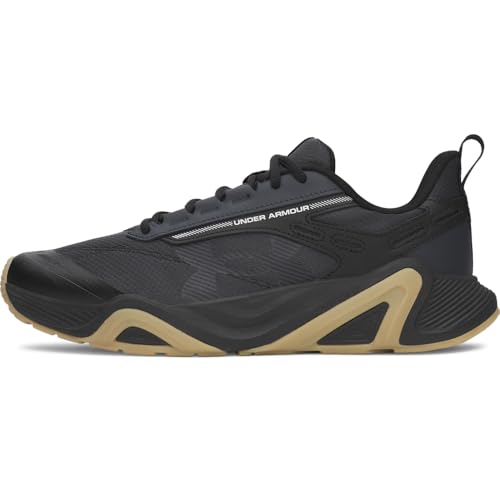
Under Armour Charged Commit Trainer 5
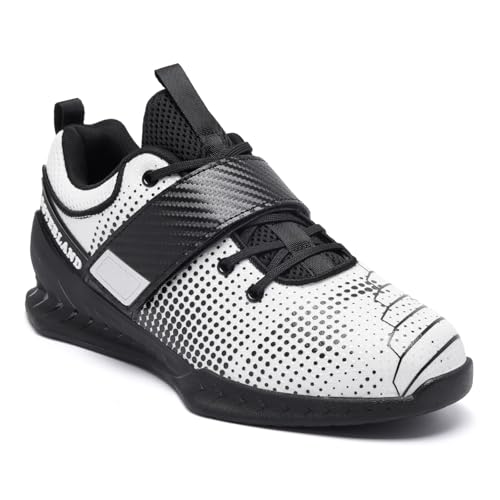
Osterland Weightlifting Shoes for Men Women
DC Mens Court Graffik Sq Low Skate Shoe
The Strengths Of Each Pick
The GEL-1130 borrows its bones from an early-2000s stability trainer, and that lineage shows up in how the shoe sits underfoot. It feels planted on long walks and casual treadmill days, where the GEL cushioning (a silicone-based shock absorber in the heel) softens heel-strike impact without making the sole feel mushy. The suede paneling gives the upper a more dressed-up finish than a typical mesh running shoe, which means it slips into coffee runs and errands without looking out of place.
Where it really earns its place is for shoppers who split time between light movement and life around it. I see this working for someone whose workout is mostly cardio plus daily wear, rather than heavy lifting or court sports. Compared with the Under Armour trainer below, this one leans casual rather than athletic, and that trade-off matters.
Advantages To Know
- GEL cushioning softens heel impact on walks and easy runs
- Suede paneling lifts the look for everyday outfits
- Stability-platform heritage keeps the foot centered on uneven pavement
- Multiple color options let the shoe match a wider wardrobe
- Dense midsole tends to hold its shape through months of casual mileage
Worth Noting
- Suede upper scuffs more easily than a full mesh trainer, so wiping down after rainy walks becomes routine
- Not built for heavy lateral movement, so studio cardio with side-steps will wear the sole faster
Who It Suits Best
Walkers, casual runners, and anyone who wants one pair that handles the gym bag and the weekend equally well.
Look Elsewhere When
Cross-training athletes who need lateral grip and lifters who want a raised heel should reach for the Under Armour Charged Commit Trainer 5 or the Osterland Weightlifting Shoes instead.
The Charged Commit Trainer 5 is the most workout-first option in this lineup. A leather-reinforced upper (tough animal-hide material that resists abrasion) protects the top of the foot during burpees, rope work, and sled pushes, while flex grooves across the outsole let the shoe bend naturally with quick direction changes. The midsole uses Charged Cushioning, a dual-density foam that combines a soft top layer for comfort with a firmer base layer for stability, which keeps landings controlled during jump rope and box jumps alike.
For anyone whose week rotates between strength work and conditioning circuits, this trainer fits the bill better than the ASICS above. It sacrifices some all-day comfort for genuine training durability, and that swap pays off in shared gym spaces where the floor demands grip. Stock can fluctuate based on colorway, so a quick check on the listing before heading to the locker room is wise.
A Few Strong Suits
- Leather-reinforced toe box handles sled pushes and rope climbs without blowouts
- Flex grooves in the outsole support quick cuts and shuttle drills
- Charged Cushioning absorbs impact from box jumps and double-unders
- Wide, stable base suits people who feel wobbly in narrow training shoes
Honest Caveats
- Heavier than a running-focused shoe, so long cardio sessions can feel sluggish
- Leather upper needs time to break in, and tight widths may pinch during the first few sessions
- Not a substitute for a raised-heel lifter on heavy squat days
Key Product Details
Right Fit For
Gym-goers who mix strength training, HIIT (high-intensity interval training), and short conditioning work in the same shoe.
Where Another Pick Suits Better
Lifters chasing a deep squat position should grab the Osterland Weightlifting Shoes, since that model has the raised heel this trainer lacks.
Osterland’s weightlifting shoe exists for one job: getting under a heavy barbell with better mechanics. The raised heel tilts the torso forward into a more upright squat stance, which lets lifters with average ankle mobility sit deeper without the hips tucking under early. A solid, non-compressible sole (a firm midsole that does not collapse under load) keeps the foot planted, so force transfers straight from the floor through the legs rather than sinking into foam.
For someone whose training centers on squats, deadlifts, and overhead work, this fills a gap the ASICS and Under Armour picks cannot. It is far less versatile outside the platform, though, so most lifters keep it as a second pair. Depending on ankle flexibility, the heel height may feel aggressive at first.
Features That Help
- Raised heel improves squat depth for lifters with tight ankles
- Hard, flat sole gives a stable base for heavy pulls and presses
- Strap closure locks the midfoot down so the foot does not slide on big lifts
- Unisex sizing covers a wide range of foot sizes
Trade-Offs To Consider
- Too stiff and heavy for cardio, running, or agility drills
- Raised heel changes walking gait, so daily wear feels awkward
- Sizing may run narrow, and trying with thick training socks helps avoid pinching
Whose Shelf It Belongs On
Lifters focused on barbell squat, front squat, and overhead press form, plus anyone rehabbing ankle mobility issues.
Swap It Out When
Cross-training fans who want one shoe for cardio and lifting should pick the Under Armour Charged Commit Trainer 5 instead.
The Court Graffik sits at the casual end of the workout spectrum, and that is the point. It borrows the low-profile silhouette of a classic skate shoe (a flat-soled, cup-bottomed sneaker designed for board feel and grip) and pairs it with a padded tongue and collar for everyday comfort. The vulcanized-style construction (where the upper is bonded to the rubber sole with a wrap-around strip, rather than stitched) gives the shoe a broken-in feel from day one, which matters for anyone who hates a long break-in window.
It is the least performance-driven pick here, and that is its quiet strength. For walking, light skatepark time, and street-style outfits, it covers ground without the bulk of a trainer. Compared with the ASICS GEL-1130 above, this one trades cushioning depth for a flatter, more skate-friendly ride.
Notable Gains
- Low-profile silhouette wears easily with jeans and joggers alike
- Padded collar cushions the ankle during long days on foot
- Skate-inspired outsole grips smooth floors and sidewalks reliably
- Lightweight build reduces foot fatigue on casual outings
Some Limits To Know
- Minimal arch support, so long shifts on concrete may leave flat-footed wearers aching
- Not designed for running, jumping, or lateral training, which limits real workout use
- Suede and synthetic panels scuff quickly in wet weather
Best Suited To
Casual wearers, light skateboarders, and shoppers who want streetwear-friendly looks over technical performance.
Reach For A Different Pick When
Anyone planning actual gym sessions should choose the Under Armour Charged Commit Trainer 5 for a real training build.
Matching The Right Shoe To The Right Movement
The first question to ask is what “overall” actually means in a training week. Runners logging daily miles want a stability platform with midsole cushioning, which is the lane the GEL-1130 occupies. Lifters chasing depth and a planted base want a raised heel and a hard sole, exactly what a dedicated lifting shoe delivers. Gym-goers mixing circuits, plyometrics, and strength work need lateral support and abrasion resistance, which is where a cross-training shoe earns its keep. Skaters, walkers, and casual dressers fit a totally different mold: flat sole, low stack height, and street-friendly looks matter more than specs.
Construction details tell a bigger story than branding. Leather uppers last longer under friction but need break-in time. Mesh uppers breathe better but scuff under repeated floor contact. Heel-to-toe drop (the height difference between heel and forefoot in the midsole) shapes how a shoe feels during squats versus running, so anyone bouncing between disciplines should think about the movement that dominates the week. Sizing tends to vary across brands, and trying with the socks actually worn during training avoids surprise returns.
Versatility comes with compromise. A pure lifter feels clumsy under cardio speed. A pure running flat feels unstable under a loaded barbell. Most people benefit from one main pair matched to the dominant activity and a secondary pair covering the gaps, rather than one shoe stretched across everything.
Picking Smart Across The Category
Common Buying Slip Ups
Buying one shoe for every discipline tends to disappoint, since each movement rewards a specific build. Skipping the insole try-on is another avoidable miss, especially for narrow or wide feet. Shoppers also tend to undervalue outsole grip, choosing flat-looking treads that slip on gym floors during lateral work. Match the shoe to the surface and the motion first, and the brand choice becomes much simpler.
Where The Extra Money Goes
Premium tiers in this category usually add reinforced toe boxes, denser midsole foams, and tougher outsole rubber compounds. Those upgrades matter for athletes logging heavy weekly mileage or working in rougher outdoor conditions. For casual walkers or studio-goers, mid-tier builds cover the same surface well without the higher spend, which keeps the upgrade tied to real use rather than marketing language.
Frequently Asked Questions
Do I really need separate shoes for lifting and running?
Yes, ideally. A raised-heel lifting shoe changes squat mechanics for the better, but it feels clumsy and unstable during running. A cushioned running shoe compresses under heavy load, which costs stability during squats. Keeping two pairs matched to each task protects form and reduces injury risk.
How long should cross-training shoes last?
Most cross-training shoes hold up well for around six to twelve months of regular gym use, depending on intensity, body weight, and floor surfaces. Worn-out tread, midsole creasing, or a sloppy heel fit are the usual signs it’s time to replace them.
Are skate-style shoes okay for casual gym sessions?
For light walking and very casual movement, yes. For any real lifting, jumping, or lateral work, skate shoes usually lack the support and sole rigidity to keep the foot stable. A dedicated cross-training or lifting shoe handles those tasks far better.
What is heel-to-toe drop?
Heel-to-toe drop is the height difference, measured in millimeters, between the heel cushion and the forefoot cushion inside the shoe. Higher drops suit walkers and runners who land on the heel, while lower drops favor lifters and athletes who want a flatter, grounded stance.
Can I use running shoes for HIIT?
Running shoes work for HIIT in a pinch, but the cushioned, elevated heel can feel unstable during quick lateral movements and box jumps. A cross-training shoe with a flatter sole and sidewall support handles mixed HIIT sessions much more confidently.
Closing Remarks
Four shoes, four jobs. Matching the pick to the dominant workout in the week makes the biggest difference, and the gaps between these options show how differently each one is built. Start with the movement that matters most, pick the shoe that supports it, and add a second pair only when the rest of the routine demands it.