Wet mornings at the boat ramp, gravel driveways after a storm, long shifts on concrete: the right pair of outdoor work shoes changes the whole day. I’ve put together a focused list of ten options that handle wet conditions, rough ground, and long hours on your feet, from waterproof deck boots to grippy hiking silhouettes and a casual pair that still pulls its weight outdoors. Each pick below earns its place for a specific reason, so the right fit depends less on a generic ranking and more on where you actually work.
The Essentials At A Glance

Showave Mid Calf Deck Boots for Men Rain Boots

Sloggers Waterproof Garden Rain Boots for Women

HUK Rogue Wave Fishing & Deck Boot

Merrell Men’s Moab 3 Hiking Shoe

Merrell Men’s Moab 3 Mid Hiking Boot
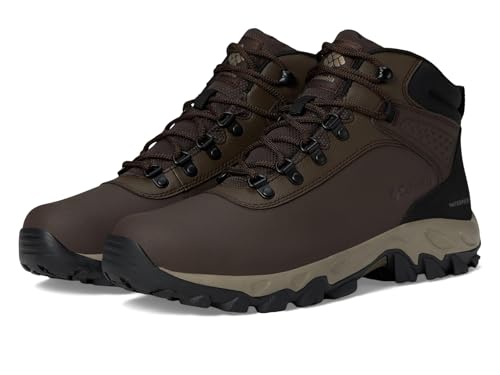
Columbia Newton Explorer

Merrell Moab 3 Mid Waterproof Hiking Boots

KEEN Targhee 4 Low Waterproof Hiking Shoes

KEEN KS86 Retro Style Sneakers
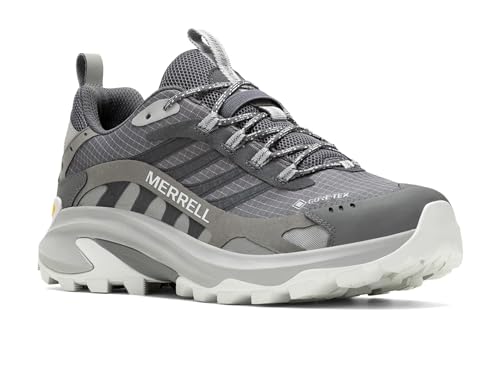
Merrell Moab Speed 2 GTX
More On The Choices That Made The List
Tall enough to keep splash and standing water out of your socks, the Showave Mid Calf Deck Boot fits the kind of work where your feet stay wet for hours. The mid-calf shaft makes sense for boat ramps, wash-down bays, and farm chores where puddles hide under every step.
Compared with the low-cut hiking shoes later in this list, this is purely a wet-environment tool. For anyone who finishes a workday with soaked feet and sore arches, that focus is exactly the point.
Real-World Strengths
- Mid-calf height blocks water from sloshing over the cuff during wading
- Rubber construction rinses clean with a hose after muddy work
- Purpose-built silhouette for dock, deck, and farm environments
- Sizing runs large enough to fit thick wool socks underneath in cold weather
Points To Keep In Mind
- Not breathable, so feet warm up fast in summer heat
- Less ankle articulation than a hiking shoe on uneven trails
Right Fit For
Boat crews, farm help, and anyone standing in water or mud through a long shift.
Look Elsewhere When
Your work is mostly dry land with rough ground, where the Merrell Moab 3 Mid Boot gives better traction and ankle support.
The Sloggers mid-calf boot leans into the casual side of outdoor work, with a flexible rubber upper that handles soil, fertilizer, and hose water without complaint. It’s a go-to for gardeners who finish a Saturday morning with muddy ankles and just want to wipe the boots down in the mudroom.
Where the Showave boot from earlier targets heavy marine use, this one earns its place with lighter weight and a softer flex. The tradeoff shows up in ankle support, but for beds, borders, and chicken-coop runs, that softness is a feature.
Benefits That Matter
- Slip-on design saves time during quick outdoor chores
- Lightweight rubber reduces leg fatigue on long weeding sessions
- Wide calf opening fits over jeans or sweatpants in cool weather
Small Caveats
- Sizing can run generous; trying them with intended socks helps
- Minimal arch support compared with a cushioned hiker
Feature Snapshot
Made For
Home gardeners and hobby-farm helpers who want a comfortable, easy-clean boot for damp soil.
Skip It When
You hike rough trails on weekends, where the Merrell Moab 3 Hiking Shoe handles distance much more comfortably.
Anglers and pier workers live by the grip of their boots, and the HUK Rogue Wave leans into that with a full neoprene and rubber upper. The neoprene wrap adds warmth without bulk, which matters when dawn launches leave your feet numb from spray.
Compared with the Showave deck boot a few picks back, this one trades some height for a closer, athletic fit. For low-deck boats and kayak launches, that lower profile lets you move more naturally.
Everyday Advantages
- Neoprene upper insulates against cold water during long sessions
- Reinforced pull straps speed up dawn launches when hands are cold
- Rubber wrap protects the toe and heel from scrapes on rocky landings
Honest Caveats
- Heavier than a hiking shoe; not ideal for long overland walks
- Limited breathability makes summer use sweaty
Feature Snapshot
Who It Suits Best
Serious anglers, kayak guides, and dock crew who want warmth and grip above pure height.
Consider Something Else When
You want a lighter, breathable choice for dry trails, where the Merrell Moab Speed 2 GTX is the obvious swap.
The Merrell Moab line has built its reputation one trailhead at a time, and version 3 keeps the focus on out-of-the-box comfort. The low-cut profile suits anyone who needs a workhorse shoe for light trail duty, property maintenance, or weekend hikes that double as exercise.
Where the HUK Rogue Wave leans wet and the Showave boot goes tall and waterproof, this one favors dry, mixed surfaces. On a long day walking fence lines or working a rural property, that balance is hard to beat.
Real Benefits
- Comfortable right out of the box, no break-in blisters
- Trail-ready lug pattern grips dirt, gravel, and root-covered ground
- Breathable upper keeps feet cooler than rubber boots in summer
Worth Bearing In Mind
- Not waterproof, so puddles and wet grass soak through quickly
- Low-cut design offers little ankle protection on rocky ground
Perfect Match For
Ranch hands, weekend hikers, and property owners who log lots of casual outdoor miles.
Reach For A Different Pick When
Wet conditions are routine, where the Merrell Moab 3 Mid Waterproof Boot handles mud without soggy socks.
The mid-cut Moab takes the same Moab 3 platform and adds ankle-height support that pays off on rocky, uneven ground. For trail crews, surveyors, and hunters covering rough terrain, that extra stability reduces the chance of rolling an ankle on a hidden root or loose stone.
Relative to the low-cut Moab 3 Hiking Shoe, this version is the better choice when loads get heavier or footing gets uncertain. The tradeoff is more heat around the ankle in summer work.
Positive Points
- Mid-cut shaft stabilizes the ankle on uneven terrain
- Vibram outsole grips loose dirt, scree, and wet rock
- Cushioned midsole softens the impact of long hours on hard ground
Trade-Offs To Consider
- More material means more warmth in hot weather
- Slightly heavier than the low-cut Moab 3, noticeable on long flat walks
- Not waterproof; crossings and rain soak through
Feature Snapshot
Built With In Mind
Hunters, trail crews, and surveyors who need real ankle support through rough ground.
A Better Fit Elsewhere
Wet trails and creek crossings, where the Merrell Moab 3 Mid Waterproof Boot handles the same terrain without soaked socks.
The Columbia Newton Explorer sits in that useful middle ground between trail shoe and work boot, with a waterproof leather upper and a cushioned midsole. For people who commute to a job site, walk a dog through wet streets, and head out for a weekend hike, this kind of crossover silhouette pulls triple duty.
Compared with the Merrell Moab 3 Hiking Shoe, the Newton Explorer adds a weatherproof membrane but trades some of the breathability. On damp mornings and muddy parking lots, that swap usually pays off.
Features That Help
- Waterproof membrane keeps socks dry through wet grass and puddles
- Cushioned midsole returns energy on long walks to and from a site
- Leather upper resists scuffs from tools, branches, and gravel
Some Limits To Know
- Leather needs occasional conditioning to stay supple
- Heavier than a mesh hiking shoe, noticeable on long flat walks
Feature Snapshot
Who Will Love This
Commuters and casual hikers who want one pair that handles wet pavement, work sites, and trails.
Where A Sibling Pick Shines
Hardcore trail use, where the Merrell Moab Speed 2 GTX offers a lighter, more athletic ride.
The waterproof mid-cut Moab takes everything the standard Moab 3 Mid Boot does well and adds a weatherproof membrane that holds back creek water and morning dew. For trail work, late-season hunting, and soggy job sites, that single upgrade is the difference between a long, miserable day and a forgettable one.
Stacked against the Columbia Newton Explorer earlier in the list, this boot leans more toward rugged trail use and less toward casual wear. The honest read is that it overdelivers on technical terrain but looks plain enough for everyday use.
Where It Excels
- Waterproof construction holds up through puddles and stream crossings
- Mid-cut profile protects ankles on rough, root-covered paths
- Vibram outsole grips loose dirt, wet rock, and muddy slopes
Practical Considerations
- Waterproof membranes slow drying if water enters over the cuff
- Noticeably warmer in summer than the non-waterproof Moab 3
Best Suited To
Late-season hunters, trail crews, and anyone working through wet brush or rainy conditions.
Swap It Out When
You mostly work dry ground and want a lighter, cooler shoe, where the Merrell Moab Speed 2 GTX fits better.
KEEN built its reputation around wider, more generous footwear, and the Targhee 4 Low carries that DNA forward with a waterproof membrane and a roomy toe box. For people whose feet swell after long shifts, or anyone with a wider foot, the fit is the standout feature.
Compared with the Columbia Newton Explorer, the Targhee leans more trail-focused and less casual-looking. The trade-off shows up in style, but the comfort and durability easily make up for it.
Bright Spots
- Generous toe box prevents pinching during long days on foot
- Waterproof lining keeps feet dry in dew-soaked grass and shallow puddles
- Fused upper construction resists separating at the seams over time
Details To Watch
- Roomy fit may feel loose for narrow-footed wearers
- Slightly heavier than minimalist trail runners
Right Fit For
Wide-footed workers and hikers who need waterproof protection without a tight, hot fit.
Another Choice May Suit
Slim-footed users and fast hikers, where the Merrell Moab Speed 2 GTX offers a closer, athletic fit.
Most lists of outdoor work shoes skip the sneaker option, but the KEEN KS86 quietly earns its spot. The retro silhouette handles errands, light property work, and casual hiking trails while looking like a normal everyday shoe, which matters when your outdoor time bleeds into coffee runs and weekend errands.
Where the Targhee 4 Low leans technical, the KS86 leans versatile. For people whose work shoes double as daily wear, that blend is exactly the point.
Advantages To Know
- Casual styling transitions from trail to town without a change
- KEEN’s traditional wider fit accommodates feet that swell through the day
- Aggressive tread pattern handles gravel, dirt, and paved paths
Where It Is Less Suited
- Not waterproof; rain and puddles soak through quickly
- Less cushioning than a true hiking shoe for all-day use on hard ground
Whose Shelf It Belongs On
Casual outdoorsy types and homeowners who want a shoe that works for the property and the coffee shop.
Where A Sibling Pick Shines
Wet conditions and serious trail mileage, where the Merrell Moab 3 Mid Waterproof Boot handles weather and distance better.
The Moab Speed 2 GTX borrows the trail platform from Merrell’s Moab line and lightens it with a more athletic build and a Gore-Tex membrane. GTX stands for Gore-Tex, a waterproof and breathable lining that keeps water out while letting heat escape, which is what gives this shoe its all-weather range.
Relative to the heavier Merrell Moab 3 Mid Boot, this one trades raw support for speed and agility. For fast-paced hikes, travel days, and active outdoor work, that tradeoff is worth it.
Notable Upsides
- Lightweight construction reduces fatigue on long, fast hikes
- Gore-Tex lining handles wet trails, morning dew, and stream crossings
- Vibram TC5+ outsole grips technical terrain with confidence
Factors To Consider
- Less ankle support than the mid-cut Moab 3
- Premium materials push the price above basic trail shoes
Feature Snapshot
Who Should Grab It
Active hikers and travelers who want one shoe for trails, weather, and long days on their feet.
Not Your Match When
Heavy loads or rough terrain dominate your day, where the Merrell Moab 3 Mid Waterproof Boot offers more stability.
How To Pick Outdoor Work Shoes That Earn Their Keep
The right outdoor work shoes start with the conditions, not the brand. Wet work demands waterproof membranes or rubber shells, while dry, rocky terrain rewards grippy outsoles and ankle support. Pulling a heavy pack favors a mid-cut or full boot, while quick property checks often feel better in a lighter hiking shoe.
Match the upper material to the weather. Leather and synthetic membranes shed water and stand up to daily scuffing, but they run warmer in summer. Mesh panels breathe better for hot climates, at the cost of slower drying when rain hits. Boots like the Merrell Moab 3 Mid sit in the middle, while the Showave deck boot goes fully waterproof with rubber.
Comfort comes down to fit, insole quality, and break-in behavior. Wider feet usually feel right at home in KEEN silhouettes, while narrower feet may prefer Merrell’s athletic shape. Trying shoes with the socks you plan to wear outdoors makes a real difference, especially if you work through winter or summer heat.
Finally, think about use beyond the work day. A pair that doubles as weekend trail shoes or dog-walking shoes earns more value than a single-purpose tool. Versatile pairs like the Columbia Newton Explorer handle both worlds, while specialized boots like the HUK Rogue Wave make more sense for purely wet or marine work.
Smarter Choices Before You Buy
Where Shoppers Go Wrong
A lot of outdoor work shoes end up returned for the same reasons, and most of those reasons come down to assumptions rather than specifics. Treating every pair like a hiking shoe ignores the wet-weather benefits of a rubber deck boot, while treating every boot like a winter pac ignores how hot waterproof membranes get in July.
Another common slip is ignoring sock compatibility. A pair that fits in thin dress socks often feels tight in wool or synthetic hiking socks, which is the more honest test for outdoor work. Spending ten minutes with the right socks on reveals more than a product description ever could.
Where The Extra Money Goes
Premium outdoor work shoes usually earn their price in three places: outsoles, waterproof membranes, and construction methods. A Vibram outsole grips technical terrain and outlasts cheaper rubber compounds, a Gore-Tex or proprietary membrane keeps feet dry across more conditions, and direct-attach or fused construction prevents the seams from separating after a year of abuse.
The upgrade pays off most for anyone who wears the same pair daily. Light occasional use often justifies a value-tier option, but full-time outdoor work rewards the better build, especially after the first season of real-world wear.
Frequently Asked Questions
What makes outdoor work shoes different from regular boots?
Outdoor work shoes are built to handle wet conditions, rough terrain, and long hours on hard surfaces. They typically use grippier outsoles, more durable uppers, and supportive midsoles compared with casual boots or fashion sneakers.
Are waterproof outdoor work shoes worth the extra cost?
Waterproof shoes earn their keep for anyone in wet grass, mud, or shallow water. For purely dry work, a non-waterproof hiking shoe often breathes better and costs less, while delivering similar comfort and durability.
How should outdoor work shoes fit?
A work shoe should feel snug at the heel with room to wiggle the toes, and you should try them on with the socks you plan to wear on the job. Heel slippage during walking usually means the shoe is too loose, while numb toes after an hour signal a fit that’s too tight.
Can hiking shoes double as outdoor work shoes?
Many hiking shoes work well for light outdoor work, especially on dry ground. For very wet conditions, heavy loads, or sharp debris, a dedicated work boot usually offers more protection and longer service life.
How long do outdoor work shoes typically last?
Most outdoor work shoes last one to three seasons of regular use, depending on the surface and how often you wear them. Rotating two pairs, cleaning them after muddy days, and storing them dry between uses usually extends their life.
Closing Remarks
The best outdoor work shoes come down to where you spend your day and what your feet go through. Wet job sites call for waterproof coverage and grip, rough terrain calls for traction and ankle support, and casual outdoor work rewards comfort and versatility. Pick the pair that matches your reality, and your feet will thank you by the end of the shift.