Overpronation, where the foot rolls inward more than ideal on landing, can wear down ankles, knees, and hips over hundreds of miles. The right shoe slows that roll, spreads impact across the midfoot, and gives tired joints a real break. Runners logging weekly miles, walkers covering long daily commutes, and folks managing flat feet or low arches all need that targeted support. I pulled together nine current models that address inward roll in different ways, from plush daily trainers to budget-friendly road shoes. Each pick balances structure with cushion so your stride stays aligned without feeling clamped or heavy. The list covers men, women, and trail-friendly options, because pronation patterns don’t care about terrain or gender.
The Choices Worth Comparing
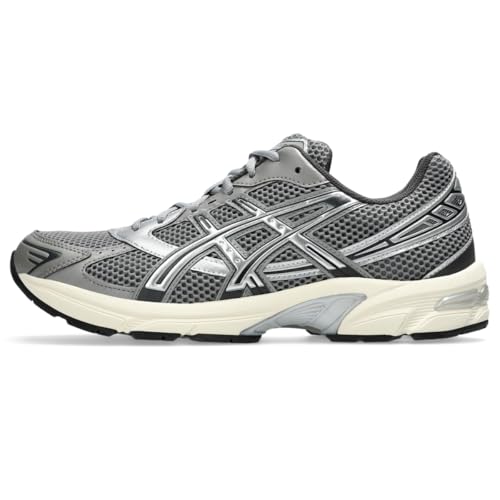
ASICS Men’s GEL-1130 Sportstyle Shoes

Hoka ONE ONE Gaviota 5, Women’s Sneakers

Brooks Men’s Adrenaline GTS 22
ASICS Men’s Gel-Excite 11 Running Shoes

ASICS Men’s Gel-Contend 9 Road Running

Saucony Men’s Triumph 22 Sneaker

Saucony Men’s Cohesion 18

ASICS Women’s Gel-Excite 11 Running

ASICS Women’s Gel-Venture 11 Trail
More On The Choices That Made The List
The GEL-1130 borrows its support chassis from a 2008-era stability trainer and dresses it in suede paneling for a lifestyle-leaning silhouette. Runners who care about looks as much as alignment appreciate a shoe that pairs with jeans on rest days and still feels honest on a four-mile loop. Underfoot, the GEL cushioning softens heel strikes, which matters when the foot tends to collapse inward.
It’s a smarter pick for moderate overpronators than for severe cases, since the structure is more gentle than aggressive. Compared with the Gel-Contend 9 later on this list, the 1130 leans lifestyle while still offering GEL support. You may find the suede takes a bit more care in wet conditions, but that’s a fair trade for the everyday-wear versatility.
Notable Upsides
- Retro GEL-1000 series styling that looks intentional with casual outfits
- Suede and mesh upper that breathes better than all-leather designs
- GEL heel cushioning that softens impact on heel-striking pronators
- Stable platform rooted in a true stability running shoe, not a dressed-up neutral
Trade Offs
- More style than severe-pronation correction, so heavy overpronators may want stronger posting
- Suede paneling requires a watchful eye around puddles and muddy paths
- Style-leaning construction weighs slightly more than stripped-down trainers
Who It Suits Best
Runners with mild to moderate overpronation who split time between training and casual wear, and want one shoe that handles both without compromise.
Where Another Pick Suits Better
Severe overpronators running heavy weekly mileage will get more correction from the Brooks Men’s Adrenaline GTS 22.
Hoka rethought stability by building a wide H-Frame base that controls inward roll without the hard medial post found in traditional stability shoes. The result is a shoe that feels plush underfoot while still keeping the foot tracking straight through long runs. Distance runners who overpronate often find that firmer correction feels punishing after mile eight, and the Gaviota 5 sidesteps that problem with softer foams working in tandem with the frame.
The creel jacquard upper breathes well on humid days, and the plush collar hugs the ankle without rubbing. Compared with the Saucony Triumph 22 covered later, the Gaviota 5 brings genuine pronation control where the Triumph offers mostly plush neutral cushioning. For most runners logging 20-plus miles a week, the combined cushion-and-stability design is a smart upgrade over a basic neutral trainer.
Where It Delivers
- H-Frame geometry guides the foot through a straighter path without harsh posts
- Bondi-level cushioning reduces joint fatigue on long efforts
- Breathable jacquard upper keeps feet cooler in warm weather
- Wide platform offers a stable landing for runners with low or flat arches
Things To Consider
- Stack height runs tall, which may feel tippy on technical off-camber terrain
- Premium positioning puts it at a higher price tier than entry options
- Plush collar compresses over time, especially on heat-heavy days
Feature Snapshot
Right Fit For
Female distance runners who overpronate and want premium cushioning with structured control for long, joint-friendly miles.
Not Your Match When
Shoppers on tighter budgets should consider the ASICS Women’s Gel-Excite 11 for a softer, less expensive entry.
The Adrenaline GTS 22 uses Brooks’ GuideRails technology, a system that supports the knee rather than forcing the foot into a rigid path. For runners whose overpronation shows up as knee drift, that knee-focused approach addresses the joint where the pain actually lands. It’s one of the most studied stability trainers in the category, and the 22nd iteration refines rather than reinvents the formula.
Daily mileage is where this shoe earns its reputation, holding up well past 300 miles in most owner accounts. The mesh upper vents heat better than the older GTS versions, and the padded heel collar locks the foot in without slippage. Compare that to the Hoka Gaviota 5, which uses a wider frame, the Adrenaline relies on sidewalls to keep the foot centered. Depending on your gait pattern, one will feel more natural than the other.
Points In Its Favor
- GuideRails support reduces excess knee movement, not just foot roll
- Proven DNA LOFT cushioning that softens impact on daily road miles
- Engineered mesh upper improves airflow over earlier GTS models
- Durable construction that holds form through heavy training cycles
Honest Caveats
- Heavier than stripped-down trainers, which matters for tempo days
- GuideRails feel subtle on day one, so the support benefit takes a few runs to register
- Toe box runs slightly narrow for runners with wide forefeet
Quick Facts
Best Suited To
Male runners who overpronate and log consistent weekly mileage, especially those who feel knee discomfort more than foot or arch pain.
Skip It When
Runners who want a lighter, more flexible ride should consider the ASICS Men’s Gel-Excite 11 instead.
The Gel-Excite 11 strips away extras to focus on what entry-level runners actually need: a soft, breathable, and forgiving ride. The engineered jacquard mesh upper wraps the foot without pressure points, and the AMPLIFOAM midsole absorbs shock on heel landings. For runners just starting out or returning after a break, that simple formula beats over-engineered options.
Pronation control here is gentle rather than corrective, so the shoe works best for mild overpronators. Compare that to the Brooks Adrenaline GTS 22, which actively guides the foot, the Gel-Excite 11 trusts the runner’s natural motion while cushioning impact. The lace-up closure is straightforward, and the polyester lining wicks moisture better than basic nylon in humid weather.
Well-Handled Touches
- AMPLIFOAM midsole softens each step without feeling mushy
- Engineered jacquard mesh upper keeps the foot cool during long walks
- Accessible price point for new runners building a kit
- Secure lace-up closure that doesn’t loosen mid-run for most foot shapes
Points To Note
- No dedicated stability post, so severe overpronators will need more structure
- Outsole rubber is thinner than premium trainers, shortening lifespan on rough pavement
- Cushioning feels basic compared with FF BLAST or DNA LOFT midsoles
Feature Rundown
Made For
New male runners and walkers with mild overpronation who want a comfortable, affordable entry shoe without complicated tech.
Look Elsewhere When
Runners needing more aggressive correction should step up to the ASICS Gel-Contend 9 or the Brooks Adrenaline GTS 22.
The Gel-Contend 9 packs genuine stability features into a budget-friendly silhouette that still feels like a real running shoe. Trusstic Technology adds a structural bridge under the midfoot that reduces twisting, which is exactly the kind of inward roll overpronators need to control. Rearfoot GEL cushioning absorbs impact where most heel strikers feel it first, and the Ortholite sockliner steps in with breathable step-in comfort.
For runners who want correction without a premium price, the Contend 9 fills a niche the Gel-Excite 11 doesn’t quite cover. Compared with the Saucony Cohesion 18 covered later, the Contend offers more active pronation control. The polyester upper and lining handle sweat better than cheaper synthetics, and depending on your local terrain, the outsole grip holds well on dry pavement and light gravel paths.
Everyday Advantages
- Trusstic midfoot bridge reduces twisting during the gait cycle
- Rearfoot GEL technology softens impact where it matters most
- Ortholite sockliner wicks moisture and resists odor over time
- AMPLIFOAM midsole adds durable cushioning for daily use
Some Limits To Know
- Road-focused outsole struggles in loose trail conditions
- Cushioning compresses faster than premium foams under heavy mileage
- Styling is more functional than fashion-forward for casual wear
Right Fit For
Male runners with moderate overpronation who want structured support and real running-shoe technology at an entry-level price.
Swap It Out When
Runners who want a more lifestyle-friendly look should consider the ASICS Men’s GEL-1130 Sportstyle Shoes instead.
The Triumph 22 sits in the neutral-cushioning lane, but the broad platform and updated rocker geometry help it serve mild overpronators who don’t need a hard medial post. PWRRUN PB super foam delivers an ultra-light, responsive feel that bounces back stride after stride, which matters on double-digit-mile days. Runners who want cushion first and correction second will appreciate the balance here.
Compared with the Hoka Gaviota 5 covered earlier, the Triumph 22 skips the H-Frame stability tech, so it’s better suited to neutral pronation or very mild inward roll. The full-length XT-900 rubber outsole grips well in dry conditions and resists wear through long training blocks. For most runners, that trade-off makes the Triumph a recovery-day favorite when the legs need pampering.
What Helps Most
- PWRRUN PB super foam feels light and springy underfoot
- Broader platform and rocker geometry smooth out the heel-to-toe transition
- XT-900 rubber outsole holds up to daily pavement mileage
- Plush interior lining cushions socks and reduces friction hot spots
Factors To Consider
- Neutral-cushioning focus means no dedicated pronation post
- Stack height runs tall, which can feel unstable for runners who prefer ground feel
- Premium foam pricing puts it above budget picks in this category
Spec Overview
Perfect Match For
Male runners with mild overpronation who log heavy weekly mileage and want a plush, energetic daily trainer that smooths out long efforts.
Another Choice May Suit
Runners with stronger inward roll should consider the Brooks Men’s Adrenaline GTS 22 for more active correction.
The Cohesion 18 is a versatile, neutral-cushioned workhorse that doesn’t try to be a racing shoe. VersaRun cushioning covers the entire footbed, and a secure, comfortable fit holds the foot without squeezing. First-time runners and walkers who need a forgiving entry shoe will find a lot to like here, especially since the price keeps the commitment low.
Pronation control is minimal, so this shoe works best for neutral runners or those with very mild inward roll. Compared with the ASICS Gel-Contend 9, the Cohesion 18 offers less midfoot structure, which means the Trusstic-equipped Contend is the better pick for stronger overpronators. For most new runners, though, the simple cushion and secure lockdown get the job done across three or four weekly miles.
The Practical Payoff
- VersaRun cushioning delivers reliable softness for everyday runs
- Comfortable, secure fit reduces break-in time for new runners
- Entry-level price makes it easy to replace as mileage grows
- Lightweight construction keeps legs fresh on shorter efforts
Trade-Offs To Consider
- Neutral-cushioning design lacks active pronation correction
- Outsole durability trails premium trainers on rough asphalt
- Cushioning flattens faster than foams like PWRRUN PB under heavy use
Whose Shelf It Belongs On
First-time male runners and casual walkers who want a comfortable, no-fuss shoe that handles light mileage without a steep learning curve.
Reach For A Different Pick When
Runners needing more structured overpronation support should consider the ASICS Men’s Gel-Contend 9 instead.
The women’s Gel-Excite 11 steps up the cushioning game over the men’s version with FF BLAST PLUS foam layered over AMPLIFOAM PLUS, paired with rearfoot PureGEL technology. That’s a lot of acronyms for one shoe, but the experience reads simply: each step lands soft, rebounds cleanly, and protects the heel on impact. For female runners who want a comfortable ride without committing to a premium model, this lands in a sweet spot.
The jacquard mesh upper breathes well during summer miles, and the overall feel is softer than the ASICS Gel-Contend 9. Compare that to the men’s Gel-Excite 11 covered earlier, the women’s version adds a meaningful cushioning upgrade for similar money. Depending on your weekly volume, the extra softness becomes a real benefit on back-to-back run days.
What Earns Its Place
- FF BLAST PLUS foam delivers ultra-light, ultra-soft impact absorption
- Rearfoot PureGEL technology smooths out heel landings on every stride
- Breathable jacquard mesh keeps feet cool on warm-weather runs
- Springy, responsive ride that feels quicker than the foam stack suggests
Worth Bearing In Mind
- No dedicated stability post, so strong overpronators may need more structure
- Stack height runs taller than the men’s Gel-Excite 11
- Pronounced cushioning can feel unstable on technical off-road surfaces
At A Glance
Who Should Grab It
Female runners and walkers with mild overpronation who prioritize plush cushioning and a soft heel strike on daily pavement miles.
Where A Sibling Pick Shines
Runners who want stronger pronation correction should consider the Hoka ONE ONE Gaviota 5 for active H-Frame support.
The Gel-Venture 11 brings trail-ready traction to overpronators who split time between road and dirt. AMPLIFOAM PLUS cushioning in the midsole is reinforced by a 2mm higher stack height than the previous version, which improves impact absorption across uneven terrain. No-sew details on the upper reduce the chance of hot spots during long hikes or trail runs, which matters when socks are already damp.
For runners whose pronation shows up on trails as well as pavement, the Venture 11 is one of the few budget-friendly options that handles both. Compare that to the ASICS Women’s Gel-Excite 11, which is road-focused, the Venture adds grip and protective coverage. Depending on your typical route, the outsole lugs may feel aggressive on smooth concrete, but that’s the trade-off for trail confidence.
Positive Points
- AMPLIFOAM PLUS cushioning with extra stack height softens rocky terrain
- No-sew upper construction reduces friction and improves comfort
- Trail outsole grips loose dirt, gravel, and light mud
- Versatile enough for road miles, park paths, and easy singletrack
Practical Considerations
- Outsole lugs can feel clunky on smooth indoor surfaces
- No dedicated pronation post, so severe overpronators will need stronger structure
- Trail-focused upper runs warmer than road-only mesh designs
Built With In Mind
Female trail runners and hikers with low arches or mild overpronation who want one shoe that handles both dirt paths and paved connectors.
Where Another Pick Suits Better
Runners who stick to pavement and want active correction should consider the ASICS Men’s Gel-Contend 9 Road Running instead.
Factors To Consider When Choosing Overpronation Running Shoes
Identifying Your Pronation Level
Mild overpronators often manage with neutral shoes that have wider platforms, while moderate to severe cases need structured support like GuideRails or H-Frame geometry. A gait analysis at a specialty running shop, even a quick wet-foot test at home, can clarify which camp you fall into. Severe overpronators wearing a neutral cushion trainer like the Saucony Triumph 22 may end up with knee pain, while mild overpronators in a hard stability shoe may feel constrained.
Cushioning and Midsole Foam
Higher-mileage runners benefit from responsive foams like PWRRUN PB or FF BLAST PLUS, which bounce back stride after stride. Entry-level runners and walkers often prefer AMPLIFOAM or DNA LOFT, which prioritize softness over energy return. Stack height matters too: tall stacks cushion impact but reduce ground feel, while lower profiles feel nimbler but transmit more shock.
Upper Fit and Breathability
Jacquard mesh and engineered air mesh breathe better than synthetic leather overlays, which matters in warm climates or during summer miles. A secure midfoot lockdown prevents the foot from sliding inward, and a roomy toe box accommodates natural splay. The ASICS Gel-Venture 11’s no-sew upper design reduces friction on long efforts, an underrated feature for hot spots.
Outsole and Terrain
Road runners should look for durable carbon rubber or XT-900 outsoles that resist wear on pavement. Trail runners need aggressive lugs that grip loose dirt and grip in wet conditions. Versatile picks like the Gel-Venture 11 bridge both worlds, though road purists may find the lugs clumsy on smooth surfaces.
Smart Choices For Runners With Inward Roll
Where Shoppers Go Wrong
A common mistake is choosing a stability shoe based on appearance rather than gait needs. Mild overpronators often overcorrect by buying heavy motion-control shoes, which can change natural stride mechanics and lead to new aches. The other trap is ignoring arch height, since flat feet and high arches overpronate for entirely different reasons, and one shoe rarely addresses both.
What The Higher Tier Buys
Premium stability shoes like the Hoka Gaviota 5 bring softer foams working in tandem with structured frames, rather than hard medial posts. That translates to long-run comfort, since the foot doesn’t fight the shoe’s correction over eight or ten miles. Premium pricing also buys durable rubber compounds, breathable uppers, and refined heel lockdowns that budget picks often skip. For runners logging 25-plus miles a week, those upgrades usually pay for themselves in fewer replacement cycles and less joint fatigue.
Frequently Asked Questions
What is overpronation and how do I know I have it?
Overpronation means your foot rolls inward excessively when you land, often linked to flat feet or low arches. You may notice wear on the inner edge of old shoes, knee or shin discomfort after runs, or inward ankle tilt when you walk barefoot. A gait analysis at a running shop gives a clearer answer than guessing from a mirror.
Can neutral running shoes work for mild overpronation?
Yes, especially models with broad platforms, supportive sidewalls, or rocker geometry like the Saucony Triumph 22. Mild overpronators who don’t experience joint pain often do well in neutral cushion shoes with a wide footprint. The GEL-1130’s stable construction and the Gel-Excite 11’s secure lockdown are also worth considering before moving to a structured stability model.
How often should I replace overpronation running shoes?
Most road running shoes last 300 to 500 miles before cushioning and support break down. Trail shoes may wear out faster depending on terrain, since loose dirt and rocks grind rubber quickly. Replacing shoes on a schedule, rather than waiting for pain, helps prevent injury from worn-out midsoles.
Are women’s running shoes just smaller men’s shoes?
No, women’s running shoes typically use a different last shape that accounts for wider forefeet, narrower heels, and different arch heights compared with men’s models. Brands like ASICS and Hoka design women’s versions with foam formulations sometimes tuned for lower body weights. Choosing the gender-specific version usually delivers a better fit and more accurate support.
Is it worth paying more for premium stability shoes?
For runners logging heavy weekly mileage or recovering from injury, premium stability shoes often justify the higher cost through longer lifespans and better cushioning retention. Casual runners and walkers who cover a few weekly miles may find mid-tier options deliver enough support. The honest read is that upgrade value depends on your weekly volume and how your joints respond to extra cushioning.
Wrap Up
The right overpronation running shoe matches your gait, your mileage, and the surfaces you cover most. Severe overpronators benefit most from structured support like the Brooks Adrenaline GTS 22, while mild cases often thrive in plush neutral trainers. Match the shoe to your actual running life, not just the specs on the page, and your knees will thank you a few hundred miles down the road.