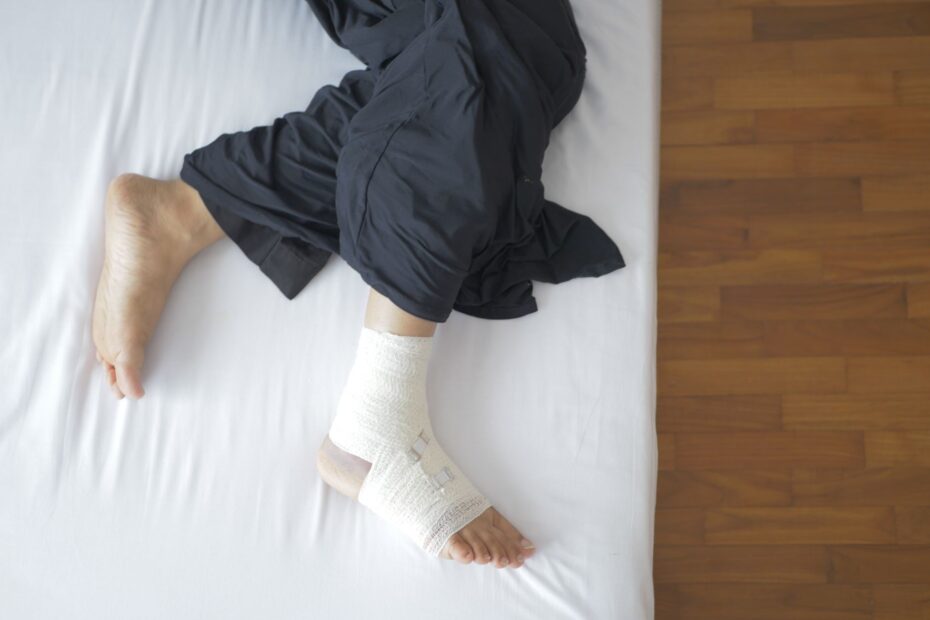
Repeated body-weight loading strains muscles, joints, tendons, and the plantar fascia, while hard floors and limited movement concentrate pressure. By shift’s end, you may feel heel aching, forefoot burning, arch soreness, or shoes that feel tighter than they did that morning.
This explanation covers workday loading, swelling, foot mechanics, footwear, recovery steps, and signs that call for a podiatrist or another clinician.
Long Standing Creates Repeated Load Without Enough Movement
Static standing keeps the foot under constant demand
Each foot contains 26 bones and 33 joints, plus muscles, ligaments, tendons, and the plantar fascia. Those parts steady your body through every weight shift, even during a shift that looks still from the outside.
Your plantar fascia is the thick band along the sole that helps hold up your arch. Hours of standing stretch and load that tissue repeatedly, which can leave your arch sore even without a long walk.
Walking spreads force across changing steps and activates the calf muscles. Standing in one spot keeps pressure on the heel, arch, and ball of your foot for longer periods, so foot fatigue builds in the same contact areas.
Hard floors concentrate force at the heel and forefoot
Concrete, tile, and sealed warehouse flooring offer little give under your shoes. Repeated contact against a firm surface can leave your heel throbbing or your forefoot tender after you sit down.
Example: a hospital employee at a medication station may move only a few inches during 30 minutes. Your feet still carry load throughout that period, yet your ankles and calf muscles receive little movement.
That fixed position also affects fluid flow. Tired tissues become more sensitive to pressure, and fluid can gather around your ankles during a long shift.
Because fluid buildup is only one pathway, distinguishing the sensation and location of symptoms helps narrow likely contributors.
Swelling, Burning, and Aching Have Different Triggers
Reduced calf movement can lead to ankle fullness
Your calf muscles squeeze veins during walking and assist blood flow back toward the heart. Static standing reduces that pumping action, which can contribute to venous pooling and mild peripheral edema around the feet and ankles.
Late in the day, your shoes may feel narrow and ankle skin may look puffy. Mild swelling can ease with rest and elevation, but pronounced or repeated swelling deserves medical attention rather than dismissal as a normal work symptom.
| End-of-day feeling | Likely contributor | What you may notice |
|---|---|---|
| Heavy, tired feet | Venous pooling and muscle fatigue | Your legs feel fuller and walking feels sluggish. |
| Burning under the forefoot | Concentrated pressure and friction | Your socks leave sore spots near the ball of your foot. |
| Heel throbbing | Repeated loading on hard floors | Your heel aches after removing work shoes. |
| Tight shoes at night | Mild peripheral edema | Your ankles look swollen and shoe seams feel restrictive. |
Friction and narrow footwear can cause forefoot burning
Burning is not always tied to circulation. A narrow toe box, rubbing seam, or worn insole can focus pressure beneath one small area and leave your forefoot hot and sore by the end of a shift.
Muscle fatigue can also alter your stance. As your calves tire, you may lean toward the outer edge of your foot or lock your knees, shifting force away from a balanced position.
Sudden swelling in one leg, marked redness, warmth, or new severe pain needs prompt medical attention. Those signs do not fit ordinary workday fatigue.
Pain location adds useful detail. Heel pain, arch pain, forefoot burning, and ankle swelling can point toward different mechanical stresses or health concerns.
Foot Shape and Existing Conditions Change Where Force Lands
Arch shape affects pressure distribution
Flat feet can allow the arch to roll inward, while high arches can place extra load on the heel and outer forefoot. Overpronation is the inward rolling motion of the foot, and it can strain the arch and ankle during long standing periods.
Your body weight also affects the load carried through each foot. A past ankle sprain, toe injury, or fracture can leave stiffness that causes one side to hurt before the other.
| Pattern | Where pain appears | Clue you can watch for |
|---|---|---|
| Flat feet or overpronation | Arch, inner ankle, heel | Your shoes wear down more along the inner sole. |
| High arches | Heel and ball of foot | Pressure gathers at a few hard contact points. |
| Metatarsalgia | Ball of foot | You feel a bruised or burning spot behind the toes. |
| Achilles tendinitis | Back of heel or tendon | Your calf feels tight and push-off hurts. |
Heel and arch pain can fit plantar fasciitis
Sharp heel pain or aching through the arch can result from irritation of the plantar fascia. A familiar pattern is pain during the first few steps after sitting, sleeping, or a long break.
Example: your heel eases after several minutes of walking, then returns after time at a checkout counter. A bruise tends to hurt at one spot with direct pressure, while plantar fascia irritation can spread through the heel or arch.
Varicose veins and peripheral edema bring a different pattern. You may see visible veins, ankle fullness, heaviness, and discomfort that grows across the day.
Such circulation-related symptoms may benefit from movement breaks, though persistent swelling warrants attention beyond routine recovery.
Movement and Recovery Reduce Static Pressure
Brief motion changes the load during a shift
A 30-second position change can do more for tired feet than one long stretch after work. Shift your weight, walk to refill water, or rest one foot on a low rail rather than holding both knees rigid.
- Change your stance Move weight from heel to forefoot and side to side every few minutes.
- Walk briefly Take short walking breaks to activate your calf muscles and reduce leg heaviness.
- Use a foot rail Rest one foot on a low support, then switch sides before your low back tightens.
- Check laces and straps Loosen pressure points during breaks so swelling does not turn footwear into a clamp.
- Keep knees soft Hold a slight knee bend to reduce strain through your calves and heels.
Recovery should match the symptom you feel
Calf tightness responds to a gentle wall stretch held without bouncing. Roll the sole over a tennis ball with light pressure, then stop at sharp pain rather than forcing a sore arch.
Your next step for mild swelling is rest and elevation. Lie down with your feet above heart level for 15 to 20 minutes, then check whether your shoes feel less tight and walking feels less stiff.
How to relieve sore feet after standing depends on the symptom. Less morning stiffness, reduced ankle fullness, and easier walking after rest suggest that your recovery routine is easing the day’s accumulated load.
Worsening pain, spreading burning, or discomfort that disrupts sleep calls for clinical assessment. Those changes go beyond routine tiredness after work.
When symptoms fit routine mechanical strain rather than a warning sign, footwear can help limit repeated loading.
Footwear and Inserts Should Match Your Work Surface and Foot Shape
Stable fit matters more than extra bulk
A thick sole cannot fix a shoe that squeezes your toes or allows heel movement. Supportive footwear needs toe room, a stable heel counter, cushioning suited to the floor, and a sole without uneven wear.
For concrete floors, your shoes need cushioning that softens repeated contact without making each step unstable. For work that includes frequent walking, a flexible forefoot and secure heel can reduce effort through the gait cycle.
The American Podiatric Medical Association offers shoe-fit education that helps you check basic features without treating a logo as proof of comfort. HOKA, Dr. Scholl’s, and Superfeet offer different shoe or insert styles, but your foot shape and job demands matter more than a brand name.
Insoles and compression socks address separate concerns
Orthotic insoles can add heel cushioning or arch support where your foot rolls inward. An insert will not correct a shoe that is too tight, unstable, or worn through at the heel.
Compression socks may ease end-of-day heaviness or mild swelling for some people by adding graduated pressure to the lower leg. Your clinician should guide that choice with known circulation disease, diabetes-related nerve changes, or unexplained swelling.
Replace shoes after the outsole wears unevenly, the heel counter bends easily, or the midsole feels flat under your thumb. Foot pain from standing too long can continue because a familiar pair no longer cushions the areas that need it.
Standing all day foot pain relief also depends on fit at the end of your shift, not only at the store. Try work shoes later in the day, after your feet have had time to swell slightly.
Persistent or Sudden Symptoms Need Medical Evaluation
Some warning signs do not fit routine fatigue
Sudden one-sided swelling, severe pain, redness, warmth, numbness, open wounds, or inability to bear weight needs prompt medical evaluation. These signs can point to a problem beyond tired muscles or poorly fitting shoes.
- One swollen leg Seek prompt care for new swelling affecting only one lower leg or foot.
- Red or hot skin Get evaluated for redness, warmth, tenderness, or rapidly spreading color changes.
- New numbness Report tingling, loss of feeling, or burning that continues after shoes come off.
- Broken skin Have blisters, sores, or wounds checked, especially with diabetes or poor circulation.
- Walking becomes difficult Seek prompt care when you cannot walk normally on the affected foot.
A recurring pattern gives a podiatrist useful clues
A podiatrist or another clinician can assess pain that returns shift after shift despite rest, elevation, stretching, and footwear changes. Bring details about where your feet hurt after standing all day, whether pain starts at the heel or forefoot, and the time it becomes noticeable.
Your notes can make the appointment more useful. Track swelling, skin changes, numbness, shoe type, work surface, pain level, and anything that eases or worsens discomfort.
Workplace ergonomics also affects your daily load. Occupational Safety and Health Administration guidance reinforces the value of movement, floor conditions, and task design, while an anti-fatigue mat or scheduled walking break can reduce repeated stress at its source.
Practical Takeaways for Your Next Shift
Your feet are reporting accumulated pressure, limited movement, and sometimes a mechanical or medical concern. Change position during work, match footwear to your foot and floor, use elevation for mild swelling, and seek care for persistent or alarming symptoms.
Causes of foot pain after work are rarely limited to one factor. The clearest pattern comes from noticing where pain starts, what your shoes feel like late in the day, and whether movement or rest changes the symptom.
FAQ
Why do my feet hurt after standing all day?
Hours of standing load your heel, forefoot, arches, tendons, and joints with little variation. Hard floors, static posture, worn shoes, foot shape, and reduced calf-muscle pumping can leave you with aching, burning, throbbing, or swelling by the end of your shift.
How can I stop my feet from hurting after a long shift?
Change position during your shift, take brief walking breaks, avoid locked knees, and wear shoes with stable heel support and enough toe room. After work, gently stretch your calves and elevate your feet for 15 to 20 minutes for mild swelling.
What causes heel pain after standing for hours?
Repeated heel pressure on hard floors can irritate the heel pad and nearby tissues. Plantar fasciitis is another cause, especially where your heel or arch hurts during the first steps after sitting or sleeping, then eases somewhat with movement.
Which shoes work well for people who stand all day at work?
Your work shoes should hold your heel securely, leave room for your toes, cushion floor impact, and show no uneven sole wear. A stable shoe with suitable arch support is more useful than a bulky shoe that squeezes your forefoot or lets your heel shift.
Do insoles or compression socks help with foot pain from standing?
Insoles can add cushioning or arch support, while compression socks may ease mild swelling and end-of-day heaviness. Your clinician should guide compression sock use with circulation disease, unexplained swelling, or reduced sensation in your feet.
Is foot pain from standing all day normal?
Mild soreness after a demanding shift can occur, especially on hard floors or in worn footwear. Persistent pain, worsening swelling, numbness, skin changes, or pain that alters your walking deserves a clinical evaluation.