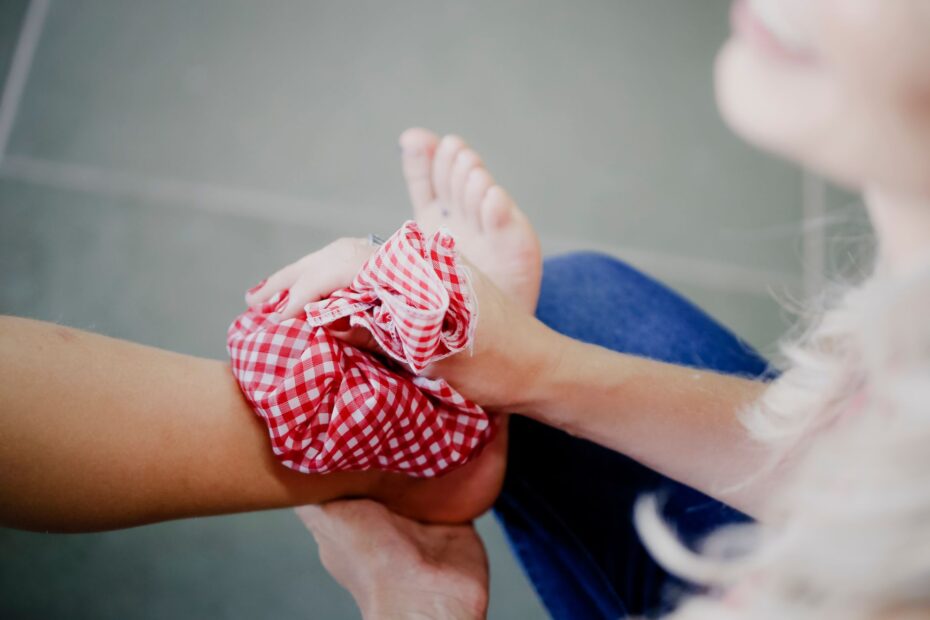
By day’s end, extra fluid can enlarge tissue in the feet or ankles, with inflammation sometimes contributing as well. Your shoes can feel tight late in the day, and sock marks can press into your skin. The change ranges from gravity-related fluid pooling to injury, vein trouble, medicine effects, or illness.
You’ll learn how fluid moves through your lower legs, what different patterns can signal, and which symptoms call for home steps, clinical care, or urgent help.
Edema Enlarges Tissue but Does Not Name the Cause
Feet sit at the lowest point of your body during standing and sitting, so gravity draws fluid into soft tissue. Edema means fluid has collected in spaces between cells. Peripheral edema describes that buildup in your feet, ankles, or lower legs.
Extra fluid stretches skin and can make your foot look fuller around the toes, arch, heel, or ankle. A sandal strap can leave a shallow dent, or a shoe that fit in the morning can pinch after work. Those signs describe swelling, not the source behind it.
Inflammation Creates a Separate Swelling Pattern
An injured or irritated foot can enlarge without body-wide fluid retention. A twisted ankle, gout flare, skin infection, or allergic reaction brings blood flow and immune cells into the area. Your foot becomes swollen because the irritated tissue holds fluid near the affected spot.
Bruising, sharp pain, and trouble bearing weight point more toward trauma than gravity-related pooling. Redness, warmth, and throbbing fit inflammation or infection more closely. That distinction matters because a local injury needs a different response than ankle puffiness after a long workday.
Return Pathways Move Fluid Upward
Blood has to travel upward from your feet toward the heart. Veins, vein valves, calf muscles, and lymphatic vessels share that task. A problem in one part of that return system leaves more fluid in the lower leg.
Your calf muscles act like a pump during walking. Each contraction presses on nearby veins and pushes blood upward against gravity. Long periods without leg movement remove that pumping action, which helps explain why swelling can show up after travel or desk work.
Fluid Pressure and Lymph Drainage Shape the Swelling You See
Tiny blood vessels release fluid into nearby tissue to deliver oxygen and nutrients. Veins pull much of that fluid back into circulation, while lymphatic vessels collect the remainder. Edema appears when fluid leaves blood vessels faster than those return routes can clear it.
| Body process | What changes | Visible result for you |
|---|---|---|
| High venous pressure | Blood backs up in leg veins | Ankles enlarge after hours upright |
| Leaky inflamed vessels | Fluid enters damaged tissue | Red, tender swelling near an injury |
| Low blood protein | Fluid stays outside blood vessels | Both feet and ankles become puffy |
| Reduced lymph drainage | Protein-rich fluid remains in tissue | Persistent, heavier-feeling enlargement |
Vein valve damage raises pressure below the knee. That pressure pushes water through vessel walls, much like a garden hose bulging near a blocked nozzle. Your lower legs can hold more fluid through the day with chronic venous insufficiency.
Lymph vessels clear fluid and proteins that veins leave behind. Surgery, radiation, infection, injury, or inherited vessel differences can impair that drainage and lead to lymphedema. Your clinician separates lymphedema from a brief travel-related episode because compression and longer-term care differ.
Gravity and Daily Routines Can Trigger Short-Term Foot Swelling
A long flight, eight hours at a desk, or an afternoon standing on concrete can leave fluid near your ankles. Dependent edema is among the causes of swollen feet and ankles after prolonged sitting or standing. Your swelling can ease after walking or raising your legs.
Heat widens blood vessels, which allows more fluid to settle in your lower limbs. A sodium-heavy dinner can leave your body holding extra water into the next day. These triggers fit a pattern that improves after movement and rest rather than one that keeps worsening.
Calf Activity Helps Counter Gravity
- Long seated periods: Bend and straighten your ankles every 30 to 60 minutes to activate your calf muscles.
- Standing shifts: Shift your weight, take short walks, and avoid locking your knees for long stretches.
- Air travel: Walk the aisle at safe intervals and wear loose footwear that does not leave deep marks.
- Hot weather: Cool rest periods and leg movement can ease fluid pooling after heat exposure.
- Salty meals: A meal high in sodium can leave extra water in your lower legs through the next day.
Pregnancy raises pressure on pelvic veins and expands blood volume, so mild ankle puffiness late in the day can occur. Your obstetric team needs a prompt call for sudden swelling paired with headache, vision changes, upper abdominal pain, or blood pressure concerns.
That pregnancy pattern shows why timing matters. Fluid pooling after a full day on your feet differs from a sudden change that arrives with pain, breathing trouble, or a severe headache. Your notes about timing can make the clinical picture much clearer.
Timing is useful, but asymmetry, skin changes, and accompanying symptoms often narrow the possibilities further.
Swelling Patterns Point Toward Different Causes
The side, speed, skin color, and pain level offer more useful clues than foot size alone. Swelling in one foot only points more strongly toward a local problem than enlargement in both feet. No single pattern proves a diagnosis, but the pattern helps narrow the cause.
| Pattern | Possible source | Detail to record for your visit |
|---|---|---|
| One-sided, sudden | Injury, infection, gout, clot, vein blockage | Exact start time, calf pain, warmth, redness |
| One-sided, gradual | Lymphedema, vein disease, old injury | Skin thickening, heaviness, prior surgery |
| Both feet, late day | Gravity, pregnancy, medicine effect | Work position, heat, food, improvement overnight |
| Both feet, worsening | Heart, kidney, liver, or vein disorder | Breathlessness, weight change, reduced urine |
Pitting and Firm Tissue Give More Detail
Press a thumb gently over the swollen ankle for several seconds, then release. Pitting edema leaves a temporary indentation, while firmer non-pitting tissue rebounds with little or no dent. Your observation helps describe the problem, though it cannot rule out a clot, infection, heart failure, or another serious cause.
Brownish skin staining, flaking, or ulcers fit long-standing vein pressure more closely than a fresh sprain. Skin thickening and a heavy feeling can fit lymphedema. Your clinician can use those changes alongside your history, pulse check, and leg measurements.
Injury, Vein Disease, Illness, and Medicines Can Cause Persistent Edema
A sprain can enlarge tissue within minutes because damaged cells release inflammatory chemicals. Fractures, arthritis, gout, allergic reactions, and cellulitis can also enlarge part of the foot or ankle. Your pain location and ability to bear weight help separate a mild strain from a problem needing prompt care.
Vein Disorders Leave Recognizable Changes
Chronic venous insufficiency develops after leg-vein valves no longer close tightly. Blood falls backward between calf contractions, pressure rises, and fluid enters nearby tissue. Your ankles can enlarge through the day while brown skin staining or aching heaviness appears over months.
Deep vein thrombosis, or DVT, is a clot in a deep vein that blocks blood return. A clot can cause sudden one-sided calf or leg enlargement, warmth, tenderness, and pain. You need same-day medical care for that pattern because part of a clot can travel to the lungs.
Body-Wide Fluid Retention Has Separate Causes
Heart failure can leave fluid in both ankles because weaker pumping raises pressure in veins. Kidney disease can reduce salt and water removal, while liver disease can lower blood proteins that help keep fluid inside blood vessels. A swollen foot does not automatically mean heart failure, but repeated swelling in both feet deserves medical review.
Medication-related swelling can occur with calcium-channel blockers, anti-inflammatory drugs, steroids, hormones, and certain diabetes medicines. Your prescriber should review a new symptom after a dose change. Do not stop a prescribed medicine on your own, since abrupt withdrawal can bring separate health risks.
These causes need different care plans. A short spell of dependent edema can fade after leg movement, while kidney disease, liver disease, heart failure, chronic venous insufficiency, and lymphedema need medical direction based on the source of the fluid buildup.
That distinction matters because self-care is appropriate only when a benign trigger is clear and symptoms remain mild.
Safe Relief Fits Mild and Clearly Temporary Foot Swelling
Movement and elevation are the fastest safe response after travel, heat, or a long workday. Raise your feet above heart level for 20 to 30 minutes, then walk for several minutes or do ankle pumps. Your feet can feel less tight within hours as gravity and calf movement shift pooled fluid upward.
Home Steps Match Gravity-Related Pooling
- Raise your legs: Rest your calves on pillows so your ankles sit higher than your chest.
- Walk briefly: Take a five-minute walk each hour during travel, desk work, or standing shifts.
- Use ankle pumps: Point and flex each foot 20 times while seated to activate your calf muscles.
- Loosen footwear: Remove tight socks, laces, or straps that leave deep grooves around swollen tissue.
- Moderate sodium: Choose lower-sodium meals after a salty day unless your care plan says otherwise.
- Drink water: Steady hydration helps your kidneys regulate salt and fluid.
Compression stockings can help some forms of venous edema, but they do not fit every circulation problem. Your clinician should clear compression with peripheral artery disease, severe heart disease, unexplained one-sided swelling, numb toes, or skin wounds.
Skip massage, heat, and forceful exercise around a suddenly swollen painful leg. A clot, infection, or acute injury needs medical care rather than a home remedy.
Temporary dependent swelling can fade overnight or within a day after the trigger ends. Injury-related enlargement follows its own timeline, while vein disease and lymphedema tend to return. Your next step is medical care for swelling that persists, worsens, or appears without a clear trigger.
Red Flags Move Foot Swelling Beyond Home Care
Sudden enlargement on one side, especially with calf tenderness, redness, or heat, needs same-day urgent care. Deep vein thrombosis needs consideration even without a dramatic injury. Your risk rises after major surgery, long immobility, pregnancy, estrogen exposure, or a prior clot.
Emergency Symptoms Need Emergency Care
Chest pain, shortness of breath, coughing blood, fainting, or a racing heartbeat alongside leg swelling can signal a pulmonary embolism. Call emergency services rather than driving yourself. Your safety depends on rapid medical care in that situation.
- Rapid redness: Seek urgent care for red-hot skin, fever, or redness spreading across your foot or lower leg.
- Severe pain: Get prompt care for pain that stops weight-bearing or grows worse despite rest.
- Color change: Blue, pale, cold, or numb toes need urgent circulation care.
- Pregnancy warnings: Contact obstetric care urgently for sudden swelling plus severe headache, vision change, or upper abdominal pain.
Preeclampsia involves high blood pressure and can threaten both you and the pregnancy. Severe headache and vision changes are warning signs that need prompt pregnancy evaluation. That approach aligns with guidance from the American College of Obstetricians and Gynecologists.
Persistent Swelling Needs a Focused Clinical Review
A useful appointment starts with a clear timeline. Bring details about the day swelling began, whether one or both feet changed, recent flights, injury, pregnancy, new medicines, shortness of breath, and skin changes. Your notes can reveal a pattern that a single office visit misses.
Clinical Checks Narrow the Source
Your clinician can inspect skin color, feel pulses, compare calf size, review medicines, and listen for signs of heart strain. Blood and urine studies can point toward kidney, liver, thyroid, or protein problems. An ultrasound can look for a DVT or venous reflux without needles or radiation.
Heart review can include an electrocardiogram or echocardiogram based on your symptoms. Lymphatic swelling needs a different plan than vein-valve disease. Movement during travel helps limit prolonged immobility, a known clot risk factor highlighted by the Centers for Disease Control and Prevention.
Daily Habits Match the Cause
- Move each hour: Stand, walk, or pump your ankles during seated work and long travel.
- Use calf muscles: Rise onto your toes 10 times before sitting after a long standing period.
- Follow your plan: Take prescribed heart, kidney, vein, or pregnancy care seriously and report new changes.
- Track repeat episodes: Record timing, side, pain, food, heat exposure, and medicine changes for your clinician.
Repeated home care without an explanation can delay care for vein disease, medication effects, or organ-related fluid retention. Your records, symptom pattern, and physical examination turn a vague complaint into a focused medical decision.
Final Takeaways
Fluid or inflammation enlarges tissue, but the pattern tells you what to do next. Both ankles after a long day can respond to walking and elevation. One-sided sudden swelling, breathing symptoms, fever, severe pain, color change, or pregnancy warning signs need urgent medical attention.
Your body gives useful clues through timing, texture, pain, and symmetry. Mild gravity-related swelling can settle overnight, while recurrent or worsening symptoms call for a clinical review. That difference helps you choose sensible home steps without overlooking a serious cause.
FAQ
What is the most common cause of swollen feet?
Gravity-related dependent edema is a frequent cause, especially after long sitting, standing, travel, or heat exposure. Fluid settles in your lower limbs while calf muscles stay still, then improves after walking, ankle movement, or elevation. Repeated swelling without a clear daily trigger needs medical review.
What is the fastest way to get rid of swollen feet?
For mild swelling after inactivity, raise your feet above heart level for 20 to 30 minutes and add gentle walking or ankle pumps. This approach fits gravity-related pooling. Your swelling needs medical care rather than rapid home relief with pain, warmth, redness, injury, or sudden one-sided change.
Does a swollen foot mean heart failure?
No. Heart failure is one possible cause of swelling in both feet and ankles, but travel, heat, vein problems, pregnancy, injury, and medicines can also cause edema. Your clinician should review swelling paired with shortness of breath, rapid weight gain, fatigue, or worsening symptoms.
How long do swollen feet last?
Swelling from a salty meal, heat, sitting, or standing can settle overnight or within a day after movement and elevation. A sprain can remain enlarged for days or weeks. Your clinician should review swelling that keeps returning, lasts beyond the trigger, or grows worse.
Why is only one foot swollen?
One-sided swelling points more strongly toward a local issue such as a sprain, fracture, gout flare, infection, vein blockage, or lymphedema. Sudden one-sided enlargement with calf pain, warmth, or redness needs same-day care because a blood clot is possible.