Cold feet ruin a ski day faster than anything else on the mountain. Once your toes go numb, you start cutting runs short, ducking into the lodge, and losing the rhythm that makes a powder day worth the drive. The right boot warmer setup changes that equation. Some ski households swear by air-activated warmers tucked into ski socks. Others lean on boot dryers that warm and dehumidify overnight. A few add fleece leg warmers as an outer layer. I’ve put together six options that cover each approach, so you can match the right warming strategy to how and where you actually ski.
The Main Contenders
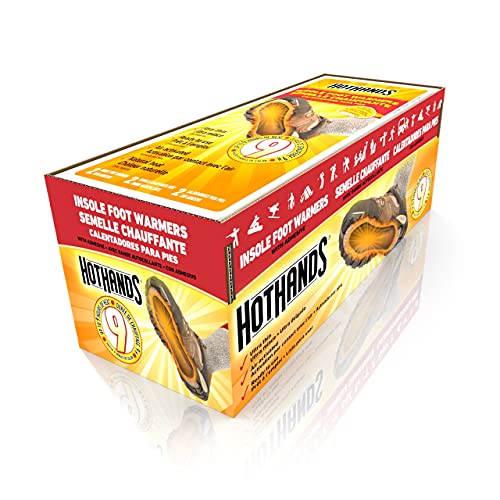
HotHands Insole Foot Warmers 16 Pair Pack

HotHands Toe Warmers Bulk Pack 72 Pair

HotHands Toe Warmers Pocket Pack 2 Pairs

HotHands Bigfoot Adhesive Toe Warmer 5 Pair

DR.PREPARE Boot Dryer with Heat Blower

Shihanee Fleece Leg Warmers
What Each Pick Brings To The Table
Insoles sit directly under your foot, which is where cold settles first inside a hard-shell ski boot. The HotHands insole warmer addresses that exact spot with a full-foot footprint rather than a small adhesive patch. It also ships in a combined pack with hand warmers, which makes it a tidy all-day solution for lift-line rides and frozen chairlift fingers alike.
Each warmer takes 15 to 30 minutes to reach temperature after you shake it loose from its sealed pouch. That delay matters: tossing one in right before you buckle your boots won’t help, so I’d open the package while you gear up. The 9-hour heat window covers a long resort day, including après-ski, without a swap.
A Favorable Mix
- Full-foot coverage reaches toes, arches, and heels in one insert
- Up to 9 hours of heat covers full ski days plus the drive home
- Air-activated design needs only a shake to start working
- Bundled hand warmers solve cold fingers on the chairlift
- TSA-friendly for flying skiers heading to out-of-state resorts
Things To Consider
- 15 to 30 minute warm-up means you need to activate ahead of buckling
- Single-use warmers create ongoing replacement cost across a season
- Bulk insole shape may need trimming to fit narrower touring shells
Who Will Love This
Resort skiers logging full lift-served days who want set-and-forget warmth without swapping inserts at lunch.
Look Elsewhere When
The HotHands Toe Warmers Bulk Pack suits multi-trip households who burn through single pairs faster than a 16-pack allows.
A household that skis weekly will burn through a small toe-warmer pack in a month or two. The 72-pair bulk pack solves that supply problem in one order. Where the insole warmer above covers your whole foot, this toe warmer focuses heat on the spot where numbness starts. The narrower profile also suits ski boots with tight toe boxes.
HotHands has been making these for over three decades, and the simple design has barely needed updating: tear open the pouch, the warmer reacts to oxygen in the air, and you’re set for up to 8 hours. Storage is straightforward as long as you keep the unused pairs sealed. Once exposed, the clock starts ticking.
The Practical Payoff
- 72 pairs cover a household or extended ski season without reordering
- Slim profile fits inside tighter ski boot toe boxes
- Up to 8 hours of heat matches a typical ski day
- Air-activated startup needs zero prep or batteries
Trade Offs
- Single-use format creates ongoing waste through the season
- Heat output dips if the pouch gets damp before activation
- Bulk count is overkill for someone trying one pair for the first time
The Right Fit
Multi-ski-trip families or anyone hosting ski weekends who wants a reliable stockpile sitting in the gear closet.
A Better Fit Elsewhere
The HotHands Toe Warmers Pocket Pack 2 Pairs fits first-timers who want to test a single pair before committing to bulk.
Sometimes you just need one pair to see whether air-activated warmers work for you. This pocket pack holds two single-use toe warmers, which is enough to test on one ski day or toss in a jacket for an emergency mid-winter. The slim, rounded shape is engineered to sit under your toes without creating pressure points against the boot sole.
Activation is the same proven formula as the bulk pack above, so there’s nothing new to learn. Stick the adhesive side to the bottom of your sock before pulling on your boot, and the warmer settles into a thin layer you barely notice while skiing. For a one-trip traveler, this is the cheapest way to find out if warmers suit you.
Everyday Wins
- Compact 2-pair count fits a jacket pocket or glove compartment
- Adhesive backing keeps the warmer locked in place inside the boot
- Low commitment for first-time users testing warmers
- Up to 8 hours per warmer covers most ski days
Points To Keep In Mind
- Single-use design means reordering frequently for regular skiers
- Adhesive loses grip if your sock fabric is very slick or thick
Best Suited To
First-time ski trip users and casual weekend skiers who want a low-risk way to try boot warmers.
Skip It When
The HotHands Bigfoot Adhesive Toe Warmer 5 Pair Value Pack suits skiers with bigger feet or wider ski boots needing more coverage per warmer.
Standard toe warmers run small. The Bigfoot version expands the warming surface by roughly 60% over the classic size, which addresses a real complaint among skiers with larger feet or wider shells. Where the pocket pack above gives you two pairs to test, this value pack delivers five pairs of the larger format.
Coverage matters in deep cold. Backcountry skiers, ice fishing companions, and lift-served skiers in places like the Rockies or Upper Midwest report that the extra surface area keeps toes from going numb during long exposure. The same 7-hour-per-pair window holds, which adds up to 35 hours of heat across the full pack.
A Few Strong Suits
- 60% larger warming area covers wider feet and bigger toe boxes
- 35 total hours of warmth across 5 pairs handles a full ski week
- Adhesive backing sticks to most sock fabrics securely
- Natural ingredient formula avoids chemical-smell complaints
Possible Compromises
- Larger size may crowd narrower touring or race-fit ski boots
- 5-pair count leaves you mid-season if you ski more than expected
- Single-use restocking adds up over multiple seasons
Made For
Backcountry skiers, big-footed riders, and anyone skiing in single-digit temperatures where smaller warmers fall short.
Consider Something Else When
The DR.PREPARE Boot Dryer with Heat Blower suits skiers who want reusable overnight warming and drying instead of disposable warmers.
Disposable warmers address cold toes during the day. A boot dryer tackles the other problem: putting on a damp, frigid shell the next morning. The DR.PREPARE unit is designed specifically for ski boots, with heat channels that push warm air up through the liner while also drying gloves, helmets, and socks. The built-in timer adds a layer of safety and convenience.
The trade-off is energy and counter space. Unlike the single-use warmers above, this unit runs on household electricity and lives in your mudroom or garage. For families sharing gear, that investment makes sense: warm, dry boots every morning, no waste, no reordering. Most households run it for an hour or two after skiing.
Advantages To Know
- Reusable warming eliminates ongoing disposable warmer costs
- Built-in timer prevents over-drying and saves energy
- Handles boots, gloves, and helmets in one cycle
- Removes moisture that makes cold feet feel worse the next day
Honest Caveats
- Higher upfront cost than a season’s worth of disposable warmers
- Requires a dedicated outlet and storage space in the home
- Provides no warmth during the actual ski day, only overnight
Built With In Mind
Multi-ski households with a garage or mudroom who want reusable boot warming and faster morning prep.
Another Choice May Suit
The HotHands Insole Foot Warmers suit skiers who need warmth on the mountain itself, not just at home.
Leg warmers don’t replace a boot warmer, but they add a layer of insulation above the boot cuff where snow and chairlift drafts sneak in. The Shihanee fleece pair uses a soft knit that layers over ski pants or tights without bulk, which makes them a versatile add-on for casual resort days and après-ski lounging alike.
Fleece holds warmth even when damp, which matters on snowy boot-pack hikes or spring slush sessions. Unlike the warmers above, this is a wearable accessory rather than a single-use heat source. It’s the kind of small extra that makes a difference on the chairlift and at the base lodge.
Useful Highlights
- Fleece fabric retains warmth even when slightly damp
- Layered fit works over ski pants without restricting movement
- Reusable season after season with simple washing
- Lightweight enough to pack in a jacket or day bag
Worth Noting
- Adds no heat inside the boot itself
- Fleece can pill after repeated heavy use and washes
- Fit runs slim and may not suit thicker outer layers
Whose Shelf It Belongs On
Skiers who want a soft insulating layer over ski pants and around the boot cuff, especially for cold chairlift rides.
Reach For A Different Pick When
The HotHands Bigfoot Adhesive Toe Warmer 5 Pair Value Pack suits skiers whose main concern is warmth inside the boot, not above it.
Matching Boot Warmers To Your Ski Style
Not every warming strategy fits every skier. The right pick depends on where you ski, how often, and whether you want a one-time solution or something reusable.
Frequency and household size. A household with multiple skiers burns through disposable warmers fast. The 72-pair bulk pack makes sense for that crowd, while a solo weekend skier may do fine with the pocket pack or a single 16-pair insole set.
Temperature and exposure. Resort skiing at a groomed hill in moderate cold is one environment. Sub-zero chairlift rides or backcountry touring where you’re stationary for long stretches demand bigger coverage like the Bigfoot warmer or a heavier layering strategy.
Disposable versus reusable. Single-use air-activated warmers travel well and need no equipment at home. A boot dryer costs more upfront but pays off across seasons and handles the wet-boot problem disposable warmers can’t solve.
Boot fit. Narrow race-fit or touring shells may not accommodate full insoles or larger Bigfoot warmers. Slim adhesive toe warmers and outer layering tend to suit tighter fits better.
Key Considerations Across These Picks
Common Shopping Slip Ups
The biggest mistake is buying a 72-pair bulk pack before testing whether warmers work for your feet. Start with a pocket pack for one ski day, then scale up once you know you like the heat and fit. Another trap is assuming a larger size means better: oversized warmers inside a snug boot create pressure points that can distract as much as cold toes. Measure your boot’s toe box before sizing up.
Where The Extra Money Goes
Premium options like the Bigfoot warmer or a reusable boot dryer cost more because they solve harder problems. The Bigfoot’s larger warming surface requires more active material per pair, which is why it costs more than the classic toe warmer. A boot dryer adds electronics, a timer, and a heat blower that disposables simply don’t have. For deep cold or wet-boot households, those upgrades earn their keep. For occasional resort skiers, a basic pack often does the job.
Frequently Asked Questions
How long do ski boot warmers actually last? Most air-activated warmers deliver 7 to 9 hours of heat per pair, depending on the size and brand. Reusable boot dryers run for as long as you keep them plugged in, often cycled on a timer.
Can I reuse disposable toe warmers? No. Once the pouch is opened and the warmer exposed to air, the chemical reaction runs until the material is spent. Reusing a spent warmer produces no meaningful heat.
Do boot warmers work in extreme cold? They help in most conditions, but effectiveness drops as ambient temperature plunges well below zero. Larger warmers like the Bigfoot and insulating layers like fleece leg warmers perform better in deep cold than standard-size warmers.
Where should the adhesive go on the sock? Place adhesive toe warmers on the underside of the sock, directly beneath the toes, so heat rises into the foot rather than pressing into the boot sole.
Are boot dryers safe to leave running overnight? Most modern boot dryers include timers or auto-shutoff features. Read the manual for your specific unit before leaving it unattended.
Final Verdict
The right boot warmer depends on whether your problem is cold toes during the ski day, cold boots the next morning, or cold legs above the cuff. A pocket pack is the smart starting point for testing. Larger disposable packs reward frequent skiers. A boot dryer solves the morning problem permanently. Layering fleece over ski pants handles the chairlift draft. Pick the strategy that matches your routine, and the mountain gets a lot more comfortable.