Standing on concrete for ten hours straight punishes feet. The unforgiving surface sends impact straight through thin soles, and by mid-shift the ache creeps from the heels into the lower back. I’ve spent enough time around warehouse floors, hospital corridors, and job sites to know that the right boot changes the whole day. This roundup walks through five solid options built to cushion concrete, support long shifts, and keep feet dry when the work gets messy.
How The Shortlist Stacks Up

Women’s Tactical Boots, Waterproof Work Boots, Motorcycle
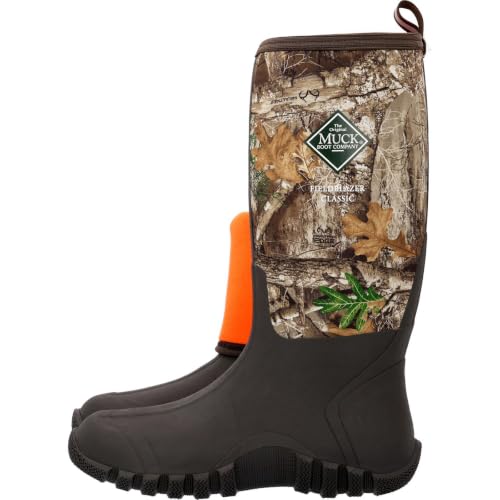
MUCK Men’s Edgewater Classic Mid Boot
SUREWAY Men’s 6″ Soft/Steel Toe Heavy Duty Work Boot
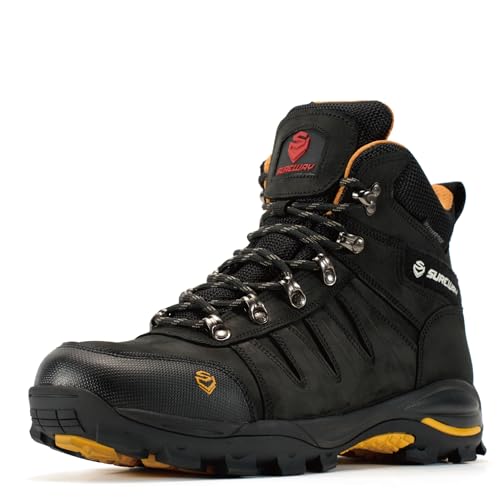
SUREWAY Men’s 6″ Waterproof Soft/Steel Toe Work Boots

Wide Width Steel Toe Waterproof Work Boots
More On The Choices That Made The List
These tactical boots from YELLOWOLF lean into the work-and-safety category, which makes them a natural fit for anyone clocking long hours on concrete warehouse floors. The waterproof construction matters more than people expect, because puddles and wet patches tend to show up around loading docks and entryways at the worst moments.
Compared to the heavier steel-toe options later in this roundup, this pair trades a bit of raw toughness for easier movement across long shifts. For women working security, delivery, or light industrial roles who need grip and dryness more than impact protection, the profile feels right.
What Works In Its Favor
- Waterproof build keeps feet comfortable through wet patches and slushy entryways
- Tactical styling translates well to varied work environments, from warehouses to outdoor patrols
- Grippy outsole pattern helps on smooth concrete that turns slick when dusty
- Mid-height ankle support reduces fatigue during extended standing
- Light enough for walking commutes before and after shifts
Things To Consider
- No reinforced toe means it’s the wrong call around heavy falling objects or compression hazards
- Tactical boots typically need a break-in period before the leather softens around the foot
- Wide-foot shoppers may find the standard last snug across the forefoot
Right Fit For
Women in security, light industrial, and delivery roles who walk long shifts on indoor concrete and need waterproof grip more than a safety toe.
Look Elsewhere When
Anyone working around falling debris or heavy machinery should consider the SUREWAY Men’s 6″ Soft/Steel Toe Heavy Duty Waterproof Work Boot instead.
The Edgewater Classic sits in MUCK’s core lineup, refreshed with a new lining package that the brand describes as both a safety and comfort feature. The mid-cut silhouette offers more ankle coverage than a low hiker without the weight of a full work boot.
For someone walking damp urban sidewalks or moving between cold outdoor surfaces and heated interior concrete, the waterproof build is the headline benefit. Concrete stays tough on feet in any season, but moisture control separates tolerable shifts from miserable ones.
Everyday Wins
- Waterproof construction handles slush, rain, and standing water without soaking through
- Mid-cut shaft gives ankle support without the bulk of taller work boots
- Lining package pulls double duty as insulation and moisture management
- Pull-on styling speeds up morning routines for commuters on tight schedules
Points To Keep In Mind
- No safety toe, so it’s not suited to job sites with falling-object hazards
- Rubber-bottom construction can feel warm during high-summer concrete shifts
- Less structured than a leather work boot, so side-impact protection is limited
Quick Facts
Made For
Men commuting through wet weather or working outdoors in damp conditions who prioritize waterproof comfort over toe protection.
Skip It When
Tradespeople who need EH-rated protection should turn to the SUREWAY Men’s 6″ Waterproof Soft/Steel Toe Work Boots instead.
SUREWAY’s heavy-duty 6-inch work boot is built for the demands of industrial and construction environments. The leather upper aims for durability, while the slip-resistant outsole keeps footing sure on oily or wet concrete. A soft removable insole offers comfort that can be swapped out as it wears down.
The optional steel toe is the major selling point for anyone working around dropped tools or heavy materials. Compared to the lighter MUCK option above, this SUREWAY trades agility for the protective features job sites typically require.
Strengths Worth Knowing
- Steel toe option handles impact and compression hazards common on work sites
- Slip-resistant outsole grips concrete that gets slick with oil, water, or dust
- Waterproof build keeps feet dry through puddles and wet weather
- Leather upper holds up to scuffs and scrapes better than synthetic alternatives
- Removable insole lets owners replace cushioning as it compresses over time
- 6-inch shaft gives solid ankle support for uneven ground
Honest Caveats
- Steel toe adds weight that becomes noticeable after hours of walking
- Leather requires regular conditioning to prevent cracking over the long run
- 6-inch height can feel restrictive for people who prefer low-cut mobility
Feature Snapshot
Who It Suits Best
Industrial and construction workers who need safety toe protection and slip resistance for long shifts on concrete.
Reach For A Different Pick When
Anyone wanting a lighter, more sneaker-like feel should consider the wide-width Xyldra Steel Toe boots later in this roundup.
This SUREWAY model steps up the materials with premium full-grain leather, the same stuff used in higher-end industrial footwear. The brand positions it as combining rugged durability with a hiking-shoe feel, which is a meaningful claim for anyone walking miles of concrete per shift.
EH-rated means the boot resists electrical hazards, a critical feature for electricians and utility workers. The oil and slip-resistant outsole also handles the greasy concrete floors common in manufacturing plants.
Real Benefits
- Full-grain leather upper outlasts split-grain options and develops character with age
- EH rating adds electrical hazard protection for utility and electrical work
- Oil and slip-resistant outsole grips slick shop and plant floors
- Lighter construction than typical work boots reduces end-of-shift leg fatigue
Trade-Offs To Consider
- Premium materials put this among the higher-priced boots in the category
- Steel toe variants add weight that becomes noticeable over ten-hour days
- Full-grain leather needs breaking in and regular care to stay supple
Technical Highlights
Best Suited To
Tradespeople and electricians who need EH-rated protection and oil resistance on slick concrete shop floors.
Where Another Pick Suits Better
Budget-focused shoppers who don’t need electrical hazard ratings should look at the MUCK Men’s Edgewater Classic Mid Boot for wet-weather comfort.
The Xyldra steel toe boot addresses two complaints that plague people with wider feet: cramped toe boxes and heavy boots. The composite toe option shaves weight compared to traditional steel, and the wide-width build gives toes room to splay naturally during long standing sessions. Slip-resistant outsoles handle slick warehouse floors.
For shoppers who felt squeezed by the standard lasts on earlier picks in this roundup, the wide-width profile is the main draw. Concrete punishes pinched feet, so extra room across the forefoot can be the difference between finishing a shift strong and limping to the car.
What Pays Off
- Wide-width last accommodates broader feet that feel cramped in standard boots
- Composite toe option provides safety without the heavy weight of steel
- Lightweight construction reduces leg fatigue over marathon standing sessions
- Non-slip outsole grips polished concrete common in retail and warehouse settings
- Waterproof build handles unexpected puddles and wet entryways
Practical Considerations
- Composite toe protection varies by specific variant
- Sneaker-inspired styling may not suit formal uniform requirements
Whose Shelf It Belongs On
Shoppers with wide feet or anyone wanting lightweight safety toe protection for warehouse and retail concrete shifts.
Consider Something Else When
Those wanting premium full-grain leather should consider the SUREWAY 6″ Waterproof Soft/Steel Toe Work Boots instead.
What To Weigh Before Choosing Boots For Long Concrete Shifts
The cushioning inside the boot matters as much as the outsole. A thick EVA midsole (a lightweight foam that absorbs shock) softens the repeated impact of each step, while a supportive insole prevents the arch from collapsing over hours of standing. For most people clocking eight-plus hours on hard floors, this combination matters more than tread pattern.
Outsole grip separates tolerable days from accident-prone ones. Concrete that’s been polished, dusted, or splashed with oil turns treacherous fast, and a flat-soled boot fails where a lugged, slip-resistant outsole holds firm. Workers in retail, food service, and manufacturing typically benefit most from aggressive slip resistance.
Toe protection depends entirely on the job. A soft toe or composite toe (a non-metal cap made of Kevlar-like materials or carbon fiber) keeps weight down for distribution centers and walking-heavy roles, while steel toe (a metal cap) handles the impact and compression hazards of construction sites and warehouses with heavy inventory.
Waterproofing matters more than people expect. Even indoor concrete gets wet around entryways, break rooms, and wash-down areas. A waterproof membrane keeps feet dry through these transitions without making the boot feel like a rubber rain boot.
Key Considerations Across These Picks
Pitfalls Shoppers Hit
A common mistake is prioritizing looks over fit. A boot that looks rugged but pinches the toes turns into a liability on concrete, where pressure points amplify over hours. Try on boots at the end of the day when feet are slightly swollen, which mirrors the conditions of a long shift.
Another trap is buying steel toe when composite would do. Steel adds real weight, and that extra pound per foot compounds over thousands of steps. Shoppers in low-hazard environments often do better with composite or soft toe options.
Where The Extra Money Goes
Premium boots justify higher prices through better materials and construction. Full-grain leather (the outermost, strongest layer of the hide) outlasts split-grain alternatives, electrical hazard ratings add specialized components, and lighter midsoles use advanced foams that don’t pack out as quickly. The upgrade pays off for full-time tradespeople who wear boots daily.
Frequently Asked Questions
How often should work boots be replaced?
Most work boots last six to twelve months with daily use. Once the midsole feels flat or the outsole tread wears smooth, replacement prevents the joint pain that comes from lost cushioning.
Are waterproof boots hot in summer?
Waterproof membranes trap some heat, but breathable linings help. Shoppers in hot climates can rotate between waterproof and non-waterproof pairs seasonally.
Do I need steel toe for warehouse work?
It depends on the warehouse. Facilities with forklift traffic and stacked inventory typically require safety toes, while distribution centers with lighter goods may accept soft toe.
Can I resole work boots?
Many leather work boots can be resoled by a cobbler, extending their life. Synthetic and rubber-bottom boots usually can’t be repaired this way.
Wide feet should order what size?
Wide-width boots fit true to size for most people with broad feet. Shoppers between sizes typically size up rather than down for better circulation during long shifts.
The Takeaway
The right boot turns a brutal concrete shift into a manageable one. Match the boot to the hazards and conditions of the specific job, and don’t underestimate how much difference proper cushioning makes by hour eight. Any of these five options will treat hardworking feet better than a generic pair off the rack.