Flat-footed lifters usually notice their feet the hard way. Arch collapses inward during squats, ankles roll on heavy pulls, and shoes that looked great in the gym bag end up working against you halfway through a session. The right pair lets the floor stay flat and stable while your arches get the structure they need. Picking the wrong pair can leave your knees, hips, and lower back paying the price instead.
The picks below lean toward models with firm midsoles, raised heels where helpful, and roomy toe boxes that don’t squeeze flat feet sideways. Most lifters find the difference between a generic sneaker and a purpose-built pair shows up within the first warm-up set.
A Side-By-Side Look

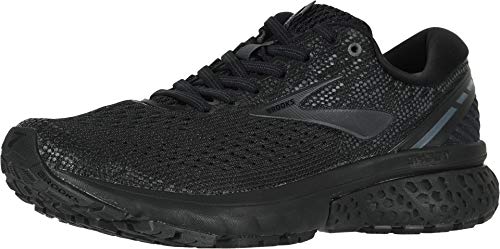
Brooks Ghost 12 Running Shoes


Otomix Stingray Escape

MIFAWA Barefoot Minimalist Shoes
A Deeper Look At The Lineup
The Brooks Ghost 12 is a neutral road shoe that doubles as a surprisingly forgiving gym shoe for flat-footed lifters who don’t want a clunky weightlifting shoe on their feet between warm-up sets. Its soft midsole absorbs shock during warm-up cardio or prowler pushes, while the wider platform gives splayed feet room to settle without pinching the forefoot. For lifters logging accessory work like lunges and step-ups, the cushioning softens the repetitive impact that flat arches tend to feel hardest.
It runs as a true neutral trainer, meaning no rigid medial post pushes the arch one way or another, so flat feet can spread naturally as load shifts. Compared to the more structured Adrenaline below, this one trades correction for comfort, which most casual gym-goers actually prefer.
The Practical Payoff
- Neutral geometry lets flat arches splay naturally under load
- Soft midsole cushions accessory work like lunges and sled pushes
- Roomy forefoot reduces that squeezed-toe feeling during squats
- Versatile enough for warm-up cardio between heavy sets
Things To Consider
- Not a true lifting shoe, so heavy squats may feel less planted than in a flat-sole model
- Cushioned sole compresses under max deadlifts, reducing floor feedback
- Stock availability has been inconsistent across sizes
Made For
Flat-footed lifters who mix accessory moves with cardio and want one shoe that handles both without feeling orthopedic.
Consider Something Else When
Heavy compound lifters chasing a flat, dead-feel platform should reach for the Otomix Stingray Escape instead.
Where the Ghost 12 stays neutral, the Adrenaline GTS 21 leans into structured guidance, which is exactly what many flat-footed lifters need during standing press and squat work. Brooks built this one around medial support that helps the arch resist collapse, so the knees track better during bilateral lifts. For lifters whose arches visibly roll inward even at moderate loads, this shoe quietly corrects the issue without feeling corrective.
It’s still a running shoe at heart, so it carries more cushion than a dedicated lifter, but the support frame turns it into a credible all-day gym companion. Lifters rotating between machines, light cardio, and main lifts will appreciate the stable platform more than a plush neutral shoe.
Where It Excels
- Structured medial post resists inward arch collapse under load
- Stable heel cup keeps the rearfoot locked during squats and presses
- Engineered mesh upper breathes well during long sessions
- Guides knee alignment on accessory moves like split squats
Worth Noting
- Heavier than minimalist options, which some lifters dislike
- Cushioning compresses under maximal pulls, reducing floor feel
- Not specialized enough for serious competitive powerlifting
Quick Facts
Right Fit For
Flat-footed lifters whose arches visibly roll inward under load and who want one shoe that handles gym and treadmill days alike.
Look Elsewhere When
Minimalist lifters wanting maximum ground contact should pick the MIFAWA Barefoot Minimalist Shoes instead.
The Levitate SMU is Brooks’ energy-return trainer, and for women with flat feet who push heavy racks, the springy midsole turns warm-up sets into something almost fun. A segmented crash pad runs along the foot’s full length, softening heel strikes during warm-up cardio and easing the harsh rebound on box jumps. Flat arches benefit from the broad, stable base that doesn’t taper aggressively at the midfoot.
It’s marketed as a women’s specific build, but the lasting and last shape matter more for fit than gender labeling. Compared to the more correction-oriented Adrenaline, the Levitate trades structure for bounce, which lifters who rack up jumping accessories will appreciate.
What It Does Well
- Energy-return midsole softens plyometric and jump-rope impact
- Segmented crash pad eases transitions through the gait cycle
- Soft interior lining reduces hot spots during long sessions
- Stable base gives flat arches a planted feel
Points To Keep In Mind
- Not as corrective as a stability shoe for severe overpronation
- Cushioned feel can feel squishy during heavy pulls
- Stock has fluctuated in some sizes
Who Should Grab It
Women with flat feet who mix plyometrics with lifts and want a responsive, forgiving shoe for the warm-up block.
Reach For A Different Pick When
Lifters chasing a flat, dead-sole feel for max deadlifts should pick the Otomix Stingray Escape instead.
The Otomix Stingray Escape sits on the opposite end of the spectrum from cushioned trainers. Its thin, hard rubber sole delivers the flat, grounded feel serious squatters and deadlifters chase, and the wide toe box gives flat feet room to spread exactly when the load arrives. An elevated heel, a classic weightlifting shoe trait where the heel sits slightly higher than the toe, helps lifters with tight calves sit deeper into a squat, while the ankle strap locks the rearfoot down under heavy loads.
This is a purpose-built lifting shoe that also handles bodybuilding, MMA, and wrestling thanks to its grippy outsole. Compared to the cushioned Brooks options above, the trade-off is clear: less comfort between sets, more stability when it counts.
Strong Points
- Flat, hard sole maximizes force transfer during squats and deadlifts
- Wide toe box lets flat arches splay without compression
- Raised heel improves squat depth for stiff ankles
- Crosses over into MMA, wrestling, and bodybuilding use
Trade Offs
- Hard sole feels harsh during warm-up cardio or jumping work
- Less cushioning means more foot fatigue on long accessory days
- Strap system takes a session or two to dial in
Perfect Match For
Flat-footed strength athletes running serious squat and deadlift programs who want maximum ground feedback and ankle support.
A Better Fit Elsewhere
Lifters wanting one shoe that crosses between gym cardio and platform work should pick the Brooks Adrenaline GTS 21 instead.
The MIFAWA minimalist shoes take the barefoot philosophy and apply it to lifting, with a zero-drop sole (heel and toe sit at the same height, mimicking natural standing posture) and an extra-wide toe box that flat feet love. Lifters who squat barefoot at home will recognize the immediate grounded feel the moment they step in. The flexible upper also handles light hiking and water work, so it pulls double duty beyond the gym.
It’s a budget-friendly entry into minimalist lifting, with thinner protection than a traditional trainer. For flat-footed beginners easing into barefoot-style training, that lower barrier helps a lot. Compared to the structured Adrenaline, this shoe asks your feet to do more of the work themselves.
What Stands Out
- Zero-drop sole keeps the foot in a natural posture
- Wide toe box gives splayed flat feet room to settle
- Flexible enough for light hiking and water workouts
- Lower price point lowers the entry barrier for beginners
Honest Caveats
- Thin sole means rocks and gym debris push through on outdoor sessions
- Minimal cushion can feel harsh during high-rep accessory work
- Transitioning flat feet to zero drop takes patience
Feature Snapshot
Whose Shelf It Belongs On
Budget-minded flat-footed lifters curious about barefoot training who want a versatile shoe that crosses between gym and outdoor sessions.
Swap It Out When
Lifters needing structured arch support or a raised heel for deeper positioning should pick the Otomix Stingray Escape instead.
What To Weigh Before Picking Lifting Shoes For Flat Feet
Sole Height And Heel-Toe Drop
Heel-toe drop is the height difference between the heel and the ball of the foot. A higher heel helps lifters with tight ankles sit deeper into a squat, while a zero-drop sole keeps the foot flat against the floor, which flat arches often prefer. Lifters chasing squat depth should look at raised-heel models like the Otomix, while those prioritizing natural posture benefit from zero-drop options like the MIFAWA.
Width And Toe Splay Room
A wide toe box lets the forefoot spread naturally, which matters more for flat feet than almost any other detail. Narrow shoes compress the metatarsals and force arches to collapse inward. The Otomix and MIFAWA both prioritize width, while the Brooks options use standard trainer lasts.
Stability Vs Cushioning
Cushioned trainers absorb shock and feel comfortable, but they compress under maximal loads and reduce floor feedback. Hard, flat soles transfer force better but tire the feet faster on accessory work. Choosing between these comes down to what you actually lift: heavy compounds reward flat soles, while accessory-heavy programs reward cushion.
Activity Versatility
Some shoes pull double duty across lifting, cardio, and outdoor sessions. Minimalist models often cross between gym and trail, while structured lifting shoes stay mostly in the weight room. Picking a versatile shoe saves closet space and money.
Quick Notes Before You Buy
Mistakes Worth Dodging
Plenty of lifters grab a shoe based on color or brand familiarity without checking last shape, only to discover the toe box squeezes their flat feet sideways. The honest read is that last shape and stack height matter far more than logo or material hype. Try to test width alongside length, since flat feet often need a half size up to find proper toe splay. Avoid shoes with narrow tapering through the midfoot, which can re-create the arch collapse you’re trying to prevent.
Where The Extra Money Goes
Premium lifting shoes invest in rigid heel construction, better strap systems, and outsoles that grip chalked platforms without slipping. The higher tier buys you consistent support under heavy loads, where cheaper shoes compress and lose stability. For competitive strength athletes, the upgrade often pays off through better positioning and fewer wobbles under maximal attempts. Casual lifters can absolutely get by with budget options, provided the last fits their foot.
Frequently Asked Questions
Do flat feet actually need lifting shoes?
Flat feet benefit from lifting shoes with flat, stable soles and structured heel cups, because traditional running shoes compress and let arches collapse under load. A purpose-built shoe reduces that wobble.
Can I deadlift in cushioned running shoes?
Cushioned running shoes compress under maximal loads, which reduces floor feedback and can throw off positioning. Most experienced lifters prefer a flat, hard sole for heavy pulls.
Is a zero-drop shoe good for flat feet?
Zero-drop shoes keep the foot in a natural posture and pair well with wide toe boxes, which flat feet tend to appreciate. The transition can take time for arches unaccustomed to the work.
Do I need a raised heel for squats?
A raised heel helps lifters with tight ankles reach proper squat depth, but it’s not required for everyone. Lifters with healthy ankle mobility can squat flat-footed without issues.
Should I size up for flat feet?
Sizing up half a size often gives flat feet room to splay without compressing the forefoot. Width matters more than length for most flat-footed lifters.
The Takeaway
Flat-footed lifters do best when they match the shoe to the lift. Cushioned trainers handle gym variety, stability shoes guide inward collapse, and flat-sole lifters maximize force transfer under heavy loads. Try the pair that fits your training style first, and let the rest of your kit follow once your feet feel right under the bar.