Light feet don’t just feel nice on a long run, they change the whole experience. The right pair disappears under you, lets your foot land naturally, and keeps your legs fresher on the back half of a tempo. This roundup covers seven pairs built around that featherweight promise, each suited to a different stride, distance, and training week.
The Shortlist At A Glance

Reebok Womens Zignition
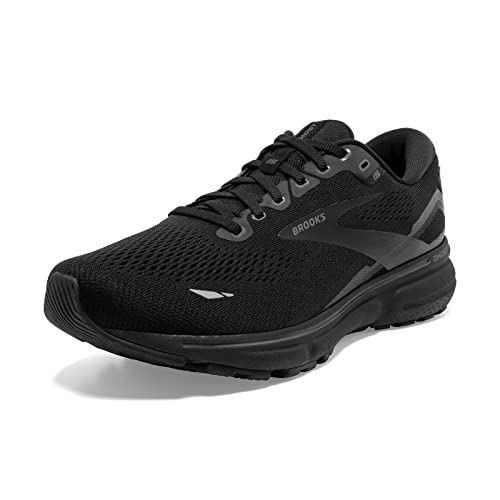
Brooks Women’s Ghost 15

Brooks Women’s Ghost 14

Brooks Adrenaline GTS 22
ALTRA Experience Flow 2

ALTRA Escalante 4
A Closer Look At Each Pick
The Zignition sits in that comfortable starter zone where you don’t need a technical breakdown to feel at home. You pull them on, lace up, and head out the door. For anyone building a habit, this kind of simplicity matters more than a fancy spec sheet.
Where it earns its keep is casual mileage: short jogs, walk-run days, gym sessions, and weekend errands. The shoe doesn’t try to be a race-day tool, and that’s part of its charm.
What Works In Its Favor
- Low-profile build that feels light from the first step
- Versatile enough for runs, gym work, and everyday wear
- Reebok tuning that suits newer runners learning their gait
Points To Note
- Limited cushioning depth for runners logging long marathon-pace sessions
- Construction is functional rather than premium, so the upper may show wear sooner than a daily trainer
Who Will Love This
New runners putting in 10 to 20 miles a week and anyone wanting a single shoe that handles gym days too.
Reach For A Different Pick When
The Brooks Ghost 15 serves you better when you need a refined, neutral trainer for higher weekly mileage.
The Ghost line has long been the neutral trainer that just gets the job done, and version 15 refines that approach without rewriting it. Brooks uses DNA LOFT v2 cushioning (a soft, nitrogen-infused foam blend) paired with a Segmented Crash Pad, the shaped rubber under the heel that helps smooth out your landing.
What that means in real life is a smoother heel-to-toe transition, especially when fatigue starts to mess with your form late in a run. You feel steady, not floaty. If you log four or five days a week and want a single shoe that handles them all, the Ghost 15 fits the bill.
What It Does Well
- Smooth, balanced ride that flatters neutral strides
- Breathable engineered mesh upper for warm-weather runs
- Versatile across easy jogs, long runs, and moderate tempo work
- Trusted daily-trainer reputation that runners rely on for years
Things To Consider
- Heavier than a true racing flat, so it isn’t built for PR chasing
- Neutral geometry offers no guidance for runners who overpronate
Feature Snapshot
Who Should Grab It
Neutral runners logging steady weekly mileage who want a reliable, no-fuss daily trainer.
Where Another Pick Suits Better
The Brooks Adrenaline GTS 22 is the better match for runners whose feet roll inward and need structured support.
The Ghost 14 is the older sibling in Brooks’s neutral lineup, and it still has a loyal following for good reason. Compared to the newer Ghost 15 reviewed earlier, this version carries a slightly different midsole feel, a touch firmer underfoot, and a price tag that often lands lower once the new model arrives.
For shoppers comparing the two, the honest read is that you give up a small slice of plushness in exchange for a friendlier number at checkout. If your training stays in the easy and moderate zone, you may not notice the gap at all.
Everyday Perks
- Proven neutral ride that has earned years of loyal fans
- Often the better value once the latest Ghost drops
- Works across easy miles, recovery jogs, and treadmill sessions
Honest Caveats
- Slightly firmer ride than the Ghost 15, which some runners may feel on long runs
- Older upper design can run warm on hot, humid days
- Fewer color and width options than current models
Best Suited To
Value-focused shoppers who want Brooks’s neutral feel without paying the newest-model premium.
Not Your Match When
Step up to the Brooks Ghost 15 if maximum plushness and the latest upper are higher on your list.
The Adrenaline GTS 22 brings Brooks’s GuideRails support system to the party, a holistic framework that sits outside the midsole and gently nudges your foot back into alignment when it starts to drift. It is stability, but not the clunky, medial-post kind you may remember from years past.
Where this shoe shines is on long runs when your form starts to unravel. The structure kicks in only when you need it, so steady miles still feel natural. Note that this is the men’s version; women with wider feet or higher arches often prefer to compare the women’s release specifically.
Key Advantages
- GuideRails offer adaptive stability without a harsh post
- DNA LOFT cushioning softens longer training runs
- Trusted Brooks build quality backed by years of refinement
- Structured feel that helps tired legs on back-to-back days
Trade Offs
- Heavier and more structured than a pure neutral trainer
- Overkill for runners with a naturally balanced stride
Feature Rundown
Right Fit For
Runners who overpronate or want gentle guidance on tired legs during long runs.
Skip It When
Neutral striders will feel more at home in the Brooks Ghost 15 reviewed earlier.
ALTRA built its reputation around the FootShape toe box, a wider forefoot that lets your toes splay the way they do when you walk barefoot. The Experience Flow 2 keeps that signature while adding a more responsive midsole than earlier ALTRA road shoes.
Runners who have felt pinched at the front of standard trainers often describe the fit as a relief. If your feet swell on long runs or you simply prefer room to wiggle, this is the kind of geometry worth trying.
The Value In It
- Roomy FootShape fit ideal for wide feet or natural splay
- Balanced cushioning that handles road miles comfortably
- Zero-drop platform encourages a midfoot landing
- More responsive ride than older ALTRA trainers
Worth Bearing In Mind
- Zero-drop geometry can feel awkward if you’re used to elevated heels
- Looser fit may cause slippage for narrow-footed runners
Made For
Runners with wider forefeet or anyone curious about a foot-shaped, zero-drop platform.
Look Elsewhere When
The Brooks Ghost 15 suits runners who prefer a traditional heel-to-toe drop and a snugger wrap.
The Torin line is ALTRA’s max-cushion offering, designed for runners who want plush comfort without giving up the FootShape fit. Version 8 continues that mission with a softer midsole and a refined upper that breathes well in warm weather.
Where the Torin 8 really earns its keep is the long, slow run. You feel the cushioning absorb impact mile after mile, and the roomy toe box keeps your feet happy even when they swell in the heat. Compared to the Experience Flow 2 reviewed earlier, this shoe is the plusher sibling.
The Good Stuff
- Generous cushioning stack for fatigue-free long runs
- Roomy FootShape toe box that respects natural foot shape
- Soft, breathable engineered mesh upper
- Zero-drop geometry that encourages midfoot striking
Minor Gripes
- Plusher build means slightly more weight than snappier ALTRA models
- Stack height can feel unstable on uneven surfaces
The Right Fit
Distance runners logging long easy miles who want maximum cushion under a foot-shaped fit.
A Better Fit Elsewhere
The ALTRA Escalante 4 is lighter and more responsive for runners who want tempo energy.
The Escalante line is ALTRA’s speed-oriented road shoe, built for runners who want a light, responsive feel without abandoning the FootShape toe box. Version 4 keeps that recipe and updates the upper for a more secure midfoot wrap.
For tempo runs, fartlek workouts, and shorter races, this shoe feels quick underfoot. Compared to the Torin 8 reviewed earlier, the Escalante trades plush cushioning for a livelier ride that rewards faster paces.
Points In Its Favor
- Lightweight build that disappears on faster efforts
- FootShape toe box lets toes spread naturally
- Responsive midsole suited to tempo and racing
- Sleek knit-style upper with a secure midfoot wrap
Possible Compromises
- Less cushioning depth than the Torin 8 for very long efforts
- Zero-drop geometry takes adjustment for heel-strike runners
Perfect Match For
Runners chasing faster splits who want a light, responsive shoe with roomy toe geometry.
Swap It Out When
Reach for the ALTRA Torin 8 if your training week leans more toward long easy miles than tempo work.
What To Weigh Before Choosing Your Next Pair
Fit Comes First, Specs Come Second
Numbers on a box tell you only part of the story. A shoe that fits your foot shape, width, and arch height will always outperform a technically impressive pair that pinches or slips. Try to compare your current favorite against any new pair in terms of toe room, heel hold, and midfoot wrap before committing.
Match The Shoe To Your Weekly Mileage
Lightweight doesn’t automatically mean better for every run. Daily mileage runners often want more cushioning and structure to protect their legs over months of training. Speed-focused sessions call for a lighter, more responsive shoe. Mixing one daily trainer with one lighter shoe for fast days covers most training blocks well.
Understand Drop And Cushioning
Heel-to-toe drop is the difference in height between the back and front of the shoe. Traditional trainers sit around 8 to 12 millimeters, while zero-drop shoes like the ALTRA options keep the platform flat. Lower drops shift stress toward the calf and Achilles, so transitioning gradually matters if you’ve spent years in higher-drop shoes.
Breathability And Upper Materials
Mesh uppers keep feet cooler on summer runs, while knit constructions offer a sock-like wrap. If your feet tend to overheat, prioritize airflow. If you want a snug, secure feel for tempo work, look for denser knit panels.
Things Worth Knowing Before You Click
Where Shoppers Go Wrong
The most common mistake is chasing the lowest listed weight and ignoring fit. A shoe that weighs a few grams less but rubs your Achilles or pinches your forefoot will quickly end up in the back of the closet. The other classic slip is buying racing shoes for daily training, then wondering why legs feel beaten up after a few weeks.
What The Higher Tier Buys
Premium running shoes earn their keep through midsole foam technology, refined uppers, and longer-lasting outsole rubber. You feel the difference most in shoes that hold their cushioning past 300 miles. For runners logging high weekly mileage, that durability often justifies the upgrade over a cheaper daily trainer.
Frequently Asked Questions
How light should lightweight running shoes actually feel?
Most women’s lightweight road trainers land somewhere between 6 and 9 ounces per shoe. Anything in that range feels quick without sacrificing protection. The right weight depends on pace and distance, lighter for speed work, a touch more cushion for daily mileage.
Do lightweight shoes wear out faster than standard trainers?
Lighter builds often use thinner rubber and less foam, which can shorten lifespan under heavy mileage. Rotating two pairs and reserving lighter shoes for faster days tends to extend their life considerably.
Are zero-drop shoes harder to run in?
Zero-drop shoes feel flat underfoot and ask your calf and Achilles to do more work. Runners used to traditional heels usually need a few weeks of short runs to adapt comfortably. There is no rush, and there’s no harm in using a slightly higher-drop shoe as your daily trainer while you adjust.
Can a stability shoe still feel light?
Yes. Modern stability designs like the Brooks GuideRails system add structure without much weight. You get guidance when you need it and a relatively lively ride on steady miles.
Should I size up in lightweight trainers?
Sizing depends on brand and toe box. ALTRA’s FootShape design fits roomy by default, while Brooks styles tend to run true to size. Checking the brand’s fit notes and measuring your foot gives a better answer than guessing.
The Takeaway
The best lightweight running shoe is the one that fits your foot, matches your weekly mileage, and feels invisible under you after the first mile. Brooks delivers the most refined neutral and stability options here, while ALTRA offers a foot-shaped alternative that rewards runners who want room to splay. Try to compare fit before committing, and let your training goals, not just the spec sheet, guide the choice.