Low impact running shoes matter because they soften the landing where pavement, treadmill belts, and gravel paths meet your joints. Runners rebuilding mileage after injury, walkers logging daily miles, and anyone easing into a new routine all benefit from a shoe that absorbs shock without sacrificing a smooth stride. The picks below balance cushion, fit, and durability across different needs.
The Essentials At A Glance
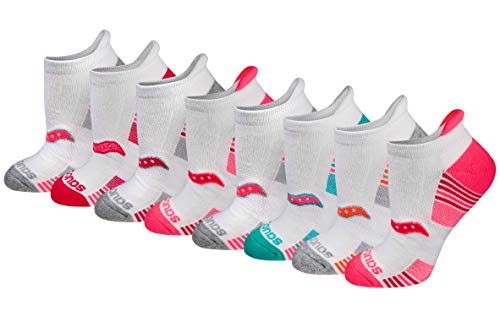
Saucony RunDry Performance Heel Tab Athletic Socks

Gone For a Run Motivational Ankle Socks

Darn Tough Tactical Quarter Midweight Socks

Brooks Men’s Ghost Max 4 Running Shoe

ASICS Women’s Gel-Venture 11 Trail Shoes
The Picks, Examined More Closely
Socks rarely make a roundup about low-impact shoes, but the right pair changes how a cushioned shoe feels. Saucony’s RunDry Performance socks pair a moisture-wicking knit with a structured heel tab that keeps the fabric from slipping into your shoe. You get a stable ride inside whatever shoe you already love.
Available in multi-pair packs of 8, 16, or 24, this sock suits runners who treat laundry like a chore they’d rather postpone. Sizes cover small through large, and the reinforced heel protects the spot where blisters tend to start on longer efforts.
Notable Upsides
- Multi-pair packs lower the per-sock cost for steady trainers
- Heel tab keeps the sock seated through repeated stride cycles
- Moisture-wicking knit helps feet stay cooler on humid days
- Small to large sizing covers a wide runner base
- Reinforced heel area handles the friction point during longer runs
Things To Consider
- Multi-pack commitment means laundry day is less urgent but storage space matters
- Heel tab adds a touch of bulk that very narrow-fitting shoes may compress awkwardly
Who It Suits Best
Runners logging consistent weekly mileage who want a reliable sock without reordering every month.
Consider Something Else When
The Darn Tough Tactical Quarter Midweight Cushion Socks suit you better if your priority is lifetime-backed durability over multi-pack value.
Motivation wears thin on tired legs, which is the gap Gone For a Run tries to fill. These ankle-height socks carry printed affirmations along the cuff, so each glance down mid-run delivers a small nudge. For runners who need a mental lift as much as physical comfort, the design is a thoughtful touch.
The ankle cut sits just above the shoe collar, making them a natural match for warmer weather and shorter runs where breathability matters most. Compared to the Saucony RunDry pick above, this option leans toward vibe and gifting rather than high-volume weekly mileage.
Practical Pluses
- Printed affirmations add a mood lift during tough miles
- Ankle cut promotes airflow on hot pavement runs
- Lightweight profile works well as a gift for new runners
Points To Note
- Printed graphics may fade faster with frequent machine washing
- Ankle height exposes the lower Achilles, which cold-weather runners may find chilly
Made For
Beginners and returning runners who want a small confidence boost stitched into their kit.
A Better Fit Elsewhere
Pick the Saucony RunDry Performance Heel Tab Athletic Socks if laundry-day convenience and multi-pack value matter more than design.
Darn Tough built its reputation on knit socks that outlast the seasons they were bought for. The Tactical Quarter Midweight sits at a versatile height, covers the ankle bone, and carries enough cushion to absorb shock underfoot without feeling bulky inside a snug-fitting shoe. It’s the sock you forget you’re wearing, which is exactly the point.
The T4088 runs slightly warmer than the Gone For a Run ankle pick, which makes it a stronger match for shoulder seasons and early-morning chill. Knit-in Vermont, the construction leans on Merino-style wicking fibers, though Darn Tough’s exact blend is proprietary. For runners tired of replacing socks every few months, this is the upgrade path.
Positive Points
- Midweight cushion absorbs impact under the heel and ball of the foot
- Quarter height protects the ankle from shoe-collar rubbing
- Durable knit construction aims for years of regular use
- Wicking properties help keep feet drier through longer efforts
Honest Caveats
- Midweight knit runs warm for high-summer pavement running
- Premium pricing per pair reflects the long-haul warranty backing
Key Specs
Best Suited To
Daily mileage runners who want one reliable sock that handles road runs and weekend trail outings alike.
Look Elsewhere When
The Gone For a Run Motivational Ankle Socks suit you better if ankle height and printed encouragement matter more than long-term durability.
The Ghost Max line is Brooks’ plushest road offering, and the version 4 leans even further into soft landings. A taller stack of cushion spreads the impact over a broader area, easing the load on knees and hips on longer efforts. Where traditional trainers prioritize responsiveness, this shoe prioritizes comfort, which is exactly the trade-off many low-impact runners want.
It pairs naturally with the Darn Tough T4088 sock above for a combo that handles both cushion and durability. Brooks tunes the upper for a relaxed, foot-shaped fit, and the smooth heel-to-toe transition suits easy runs, recovery days, and walkers building a daily habit.
What Pays Off
- Max cushion stack absorbs impact across longer distances
- Smooth heel-to-toe transition supports easy-effort running
- Roomy upper fit accommodates wider feet
- Road-focused outsole grips pavement and treadmill belts
- Well-suited for runners returning from joint niggles
Trade-Offs To Consider
- Plush midsole feels less responsive during tempo efforts
- Not built for technical trail surfaces where lugged outsoles help
Perfect Match For
Runners and walkers prioritizing soft landings and joint-friendly daily mileage over speed work.
Swap It Out When
The ASICS Women’s Gel-Venture 11 Trail Running Shoes suit you better if most miles happen on dirt paths and park trails rather than paved roads.
Trail surfaces demand a different kind of low-impact shoe, one that handles roots and gravel without punishing your joints. The Gel-Venture 11 builds on ASICS’ trail lineage with GEL cushioning, the brand’s signature shock-absorbing silicone units in the heel, paired with a lugged outsole that grips uneven ground. For runners transitioning from pavement to park paths, it’s a sensible bridge.
Where the Brooks Ghost Max 4 above targets road smoothness, this ASICS handles dirt, mild mud, and rocky stretches. A polyester-based construction keeps weight low, and the trail-oriented fit gives your toes room to spread over uneven landings.
A Few Highlights
- GEL cushioning absorbs impact at the heel during trail descents
- Lugged outsole grips loose dirt and gravel
- Trail-tuned fit gives toes room to spread on uneven terrain
- Polyester construction balances durability with lighter weight
Softer Spots
- Heavier than road-focused trainers like the Brooks Ghost Max 4
- Lugged outsole feels clunky on smooth pavement
Feature Snapshot
Whose Shelf It Belongs On
Trail runners and outdoor walkers who want low-impact cushioning that holds up beyond the pavement.
Reach For A Different Pick When
Pick the Brooks Men’s Ghost Max 4 Running Shoe instead if your runs stay on roads and treadmill belts where plush cushioning matters most.
Matching Cushion and Surface to Your Miles
Low impact running shoes come in more flavors than the cushioned road category alone. The right pick depends on where your feet land most days and how much shock absorption your joints need.
A shoe’s stack height, the total thickness of material between your foot and the ground, drives how soft each step feels. Higher stacks spread impact over a larger area, easing load on knees and hips. Trail shoes add lug depth for grip, which makes them heavier but more stable on uneven ground. Sock choice matters too: a quarter-height knit like the Darn Tough T4088 protects the ankle collar, while ankle socks keep things cool in summer.
Runners rebuilding mileage should prioritize cushion over responsiveness, because soft landings reduce cumulative stress. Walkers easing into a daily habit benefit from the same logic, since low-impact comfort encourages consistency. Trail-leaning runners get a different trade-off: lugged outsoles add weight but protect against slips that road shoes can’t handle.
What Most Shoppers Overlook With Low Impact Running Shoes
Buying a low-impact shoe often turns into a single-attribute decision, and that’s where the small slip-ups happen.
Common Shopping Slip Ups
The biggest miss is choosing a shoe based on cushion alone without considering the surface. A plush road trainer feels vague and unstable on loose gravel, while a trail lugged shoe feels clunky and slow on smooth pavement. Match the outsole pattern to where you’ll spend most of your miles.
Sock fit goes overlooked just as often. A roomy shoe paired with a thin sock can cause heel slippage, and a snug shoe with a bulky midweight sock creates hot spots. Test the combo before committing to long efforts.
Where The Extra Money Goes
Premium pricing in this category typically reflects two things: denser midsole foam that lasts longer before breaking down, and tougher upper knits that resist abrasion over thousands of miles. A budget shoe can feel great for a few hundred miles, but the cushioning compounds lose rebound faster.
Higher-tier trail models also upgrade the outsole rubber compound, which grips wet roots and rocks where cheaper lugs skate. The upgrade pays off when you run in rain, on steep descents, or on technical terrain where footing matters more than saving a few dollars.
Frequently Asked Questions
How often should low impact running shoes be replaced?
Most cushioned trainers hold up well for 300 to 500 miles before the midsole foam starts to feel dead. Trail shoes often last longer because the lugged outsole takes more wear than the foam itself.
Are trail shoes a good choice for road running?
Trail shoes work for occasional road runs, but the lugged outsole and heavier build feel clunky on pavement. For mixed use, a road trainer like the Brooks Ghost Max 4 handles most surfaces more comfortably.
Do low impact running shoes help with knee pain?
Cushioned low-impact designs can reduce stress on knees and hips by absorbing shock at landing. They help most when paired with proper form and gradual mileage increases.
What sock height works best with running shoes?
Quarter and ankle cuts both work well, depending on shoe height and weather. Quarter socks protect the ankle from collar friction, while ankle socks keep feet cooler in summer heat.
Can beginners start with a cushioned trainer?
Cushioned trainers are a smart starting point for beginners because soft landings reduce injury risk while mileage builds. A roomy upper fit also accommodates feet that swell during longer efforts.
Bottom Line
The right low-impact pick depends on where you run, how much cushion your joints need, and whether durability or pack value drives the decision. Match the shoe to the surface first, layer in the sock that fits the climate, and your feet will tell you the rest over the miles ahead.